


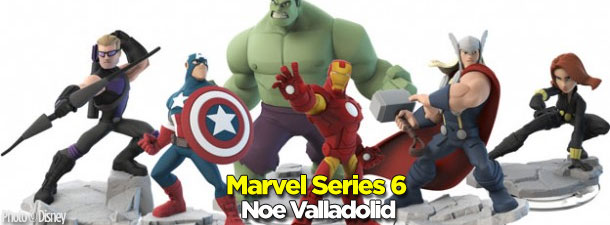
Calling all Marvel lovers, Noe Valladolid is back with part 6 of his fantastic exploration of the Marvel universe. Join us in the comments below with your thoughts on this mega-powerful franchise. If you are catching us in the middle, you can review Part One, Part Two, Part Three, Part Four and Part Five before reading below.
Game players are a fickle crowd. They usually don’t follow the trends of pop culture. Hit movies, pop stars or TV trends mean nothing to the average video game player. Games require a different set of tools to enjoy and be appreciated. They require the physical act of playing, the hand-eye coordination and ability to adapt to new puzzles on the fly. It is the use of both sides of the brain that very few other forms of entertainment could match. Great games engage the player on multiple levels. While the youngest of the forms of entertainment it had become the most popular by the end of the 20th century.
Marvel and Disney had mastered the major forms of entertainment in that time. Both studios had proven track records in comics, cartoons and film. Yet for both studios the blockbuster video game seemed impossible. Granted, there are some very well made games featuring Disney and Marvel properties that have appeared over the past 20+ years. Yet these games were few and far between. The majority of titles released by the companies seem focused on pushing a feature film or a trending television show. The best experiences honor the source material by featuring an immersive story that is in tune with the hopes and challenges of the actual characters. The designers base the game play around the abilities of the characters rather than trying to slap some gimmick onto them. The best Marvel games, from a critical and commercial standpoint, had nothing to do with any film. Unfortunately the biggest development and advertising budgets seemed to constantly go to the games based on movies.
Activision had released a series of fantastic Spider-Man games. The most popular ones, Spider-Man, Spider-Man 2, Spider-Man:Web of Shadows and Ultimate Spider-Man, each told a unique story. The games were inspired by particular runs of the comic books, featured classic villains and introduced challenges that were perfect for the web slinger. The least popular Spider-Man games among audiences were the ones based on the Tobey Maguire and Andrew Garfield films.
The same trend could be seen with just about every Marvel license. Whether it was the X-Men or the Incredible Hulk, the original games were the best experiences. They were often written by actual comic book writers and designed with input from Marvel Editors as well. When solid writing, an original engine (instead of recycling the engine used in other games), solid graphics and intuitive controls met, there was nothing it could have lacked. Activision had held the license for many Marvel games and had tried multiple genres for the characters. Gamers that were not fond of the action brawler format might enjoy the role-playing elements from the “Legends” series instead. The biggest game publishers learned that there was more than one way to create a game and more than one way to present a story. It was something that Marvel and Disney did not seem to understand about adapting their properties to gaming. The studios seemed to try one format and one format only. If it failed then they tried the same thing again with a different property.
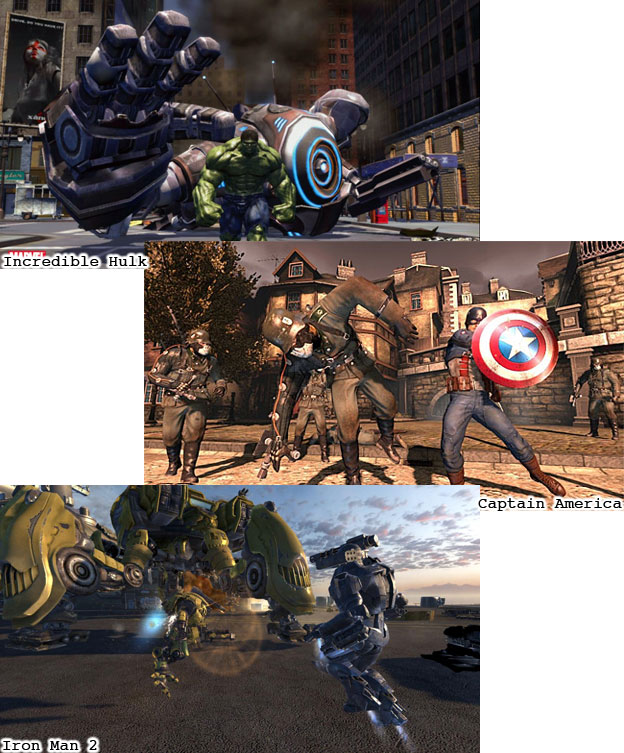
When Marvel began their film series Sega secured the rights for many of the characters, including Iron Man, Thor and the Hulk. The studio released games that were visually very impressive, unfortunately they lacked any depth. The stories were thin, the gameplay redundant and replay value practically nonexistent. The overall impression that many gamers had was that the titles had been rushed by the studio in order to meet the release date for the movies. The worst part for many fans was how unoriginal the games were. They did not introduce new forms of gameplay but instead relied on what had worked in the past. The Incredible Hulk by Sega, for example, was an attempt to update the experience created in The Incredible Hulk: Ultimate Destruction. The previous game by Radical Entertainment was far superior to the one that Sega had released. The visuals simply didn’t matter when the experience of controlling the Hulk should have been the primary goal.
In the previous Hulk game audiences could run up the side of a building while carrying a city bus on their shoulders. They could fight tanks, aircraft and giant robots with minimal effort. The controls were intuitive and worked whether the player was a novice or advanced. This level of control, of polish and execution was something that Sega had missed completely. They managed to recreate many of the control elements from the earlier game but made them less fluid and more difficult to use. The same things hindered the other Sega games. They looked great but were average experiences at best. They did nothing to make the heroes stand out from any of the original characters created by game companies. Sega demonstrated that even experienced publishers could find it difficult to make a game out of a popular comic book.
When it came to creating a hit based on the comics it seemed that the best studios were the ones that flew under the radar of both Marvel and Disney. The Lego video games, developed by TT Games, have been exceptional. When the series began incorporating Star Wars, DC and Marvel properties it really took off. The games were designed by fans for fans. They included nods to the source material, brought up classic rivalries and even featured some very obscure characters. In the case of the Star Wars games they also included music that was reminiscent of the classic John Williams scores. Lego Marvel Super Heroes had more depth and more replay value than the Sega titles. Despite the innocent-looking figures the game was actually designed to hold the interest of kids and teens. The Lego game exemplified the best part of the Marvel universe, aside from the cartoons it was the only place where the X-Men, Fantastic Four, Spider-Man and Avengers could all be seen at the same place and at the same time. Marvel Super Heroes was filled with light action but also with a solid challenge. Some stages could give even veteran gamers a run for their money. TT Games was not the only studio that knew how to properly handle a license.
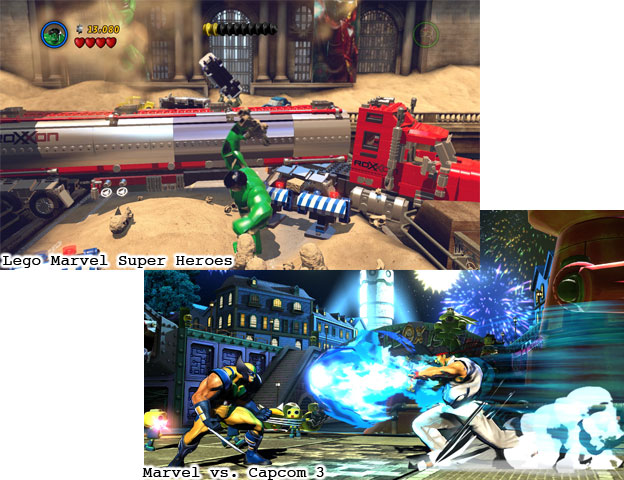
Capcom was known for the Monster Hunter, Ace Attorney, Mega Man and Resident Evil games. What really put the studio on the map were the fighting games that they published in the ’90s, the most famous series of which was called Street Fighter. The studio experimented with different genres, throwing monsters and even giant robots into a fighting game as well. They found some success by taking on the Marvel license. Eventually the studio crossed over the various properties in the Marvel vs. Capcom series.
Many popular and rare Marvel characters would turn up in the well-designed fighting game. Players could find out if the Street Fighters could actually go toe-to-toe with the X-Men and Avengers. It was nothing more than fan service but Capcom was able to do that while being respectful of all the properties they were crossing over. Marvel and Disney could only hope that someday they might too make a series that was great for fans and for gamers as well. When Disney bought out Marvel that someday would come sooner than anyone thought.
Disney Infinity was released in 2013 to a very positive response from the fan and gamer community. To put the game in context, it combined the action of the Marvel Activision games, the figure collecting of Skylanders, the charm of the Lego titles and the ability to create worlds as within Minecraft. It was a unique blend of gameplay elements that gave audiences tremendous replay value. Gamers could play as much or as little as they wanted and never have the same experience twice. The first packs released for the game, the first collectable figures, were based on Disney and Pixar properties. They included Pirates of the Caribbean, Monsters University, Cars, the Lone Ranger and the Incredibles. Each of those game experiences were reminiscent of popular titles. They were age friendly versions of Grand Theft Auto, Assassins Creed and Red Dead Redemption.
Audiences could not get enough new expansion packs for the game fast enough. Infinity was not without its growing pains. The technology featured in the game was new to Disney. The developers had to make sure that the collectable figures would work on different platforms and versions of the game. This required a tremendous amount of R&D and ultimately lead to the updates coming slower than audiences had hoped. In 2014 Disney announced a new version of the game. It was called Infinity 2.0. The biggest selling point was that this version would feature the Marvel universe.
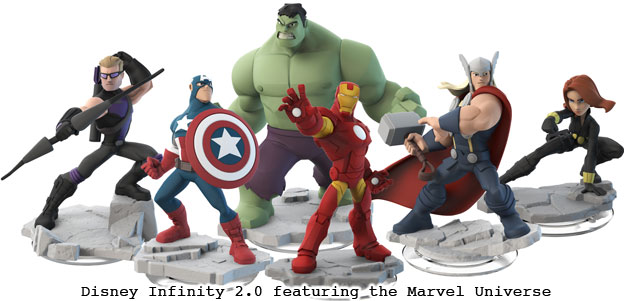
Audiences couldn’t wait to try it out. They had their first glimpse of the title at the E3 in Los Angeles in the spring and a bigger look during the San Diego Comic Con. The game debuted at the start of Fall, well before the holiday season. Many of the elements that made the original Infinity were expanded upon. Many of the bugs that had plagued the original release had been squashed. It was an impressive debut that would keep audiences hooked well into the new year. The next blog will take a closer look at Disney Infinity 2.0.