

Yesterday (June 20), we attended the reopening of the San Diego Zoo Safari Park. The wild-animal themed experience, along with its more traditional zoo counterpart down the road, were among the first major Southern California tourist attractions to reopen following extended Covid closures.

In an attempt to increase safety, the Safari Park has rolled out several operational changes. Some of the updates worked quite well, others missed the mark, and many key experiences were closed. Below are our thoughts on the good, the bad, and whether we’d feel safe returning.
San Diego Zoo Safari Park Reopening
The San Diego Zoo and Safari Park closed back in March as businesses of all sorts attempted to avert the COVID-19 outbreak. The closure was initially expected to be short term, and the park hoped to reopen in early April. However, that date was quickly pushed back as cases in California began to rise.
However, as California has progressed through the Governor’s accelerated multi-stage roadmap to reopening, outdoor experiences such as zoos were deemed safe to return to business in Stage 3 (that began June 12).
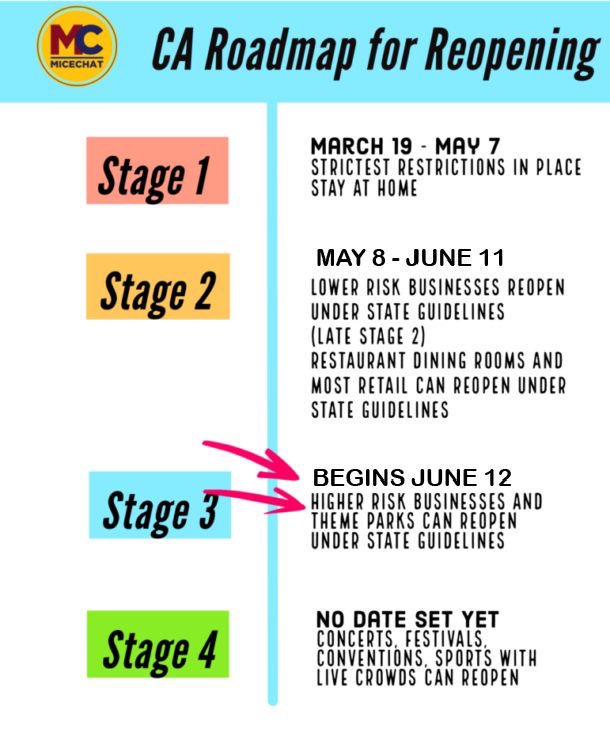
While California’s major theme parks remain closed for the time being, their reopenings could be right around the corner. The reopening of the San Diego Zoo and the Safari Park are the first in a series of planned dates for the resumption of California’s tourist industry. For more about the proposed reopenings of California theme parks, be sure to check out the article below:
Expecting a large crowd, we made it to the Safari Park approximately 15 minutes before the official opening of 9am. As you enter the parking lot, park employees conduct a health pre-screening for everyone in the car. We’ll get more into that little charade a bit later.

After clearing the questioning, we made it to the entry gates. According to local San Diego news reports, there were some die-hard fans lining up for entry two hours before opening. But when we arrived, there was no line because the park had already begun admitting people early for the day! Guests were asked to have their tickets/passes ready before passing through the entryway. Additionally, there were several team members who were reminding guests to wear their face coverings for the duration of their visit.

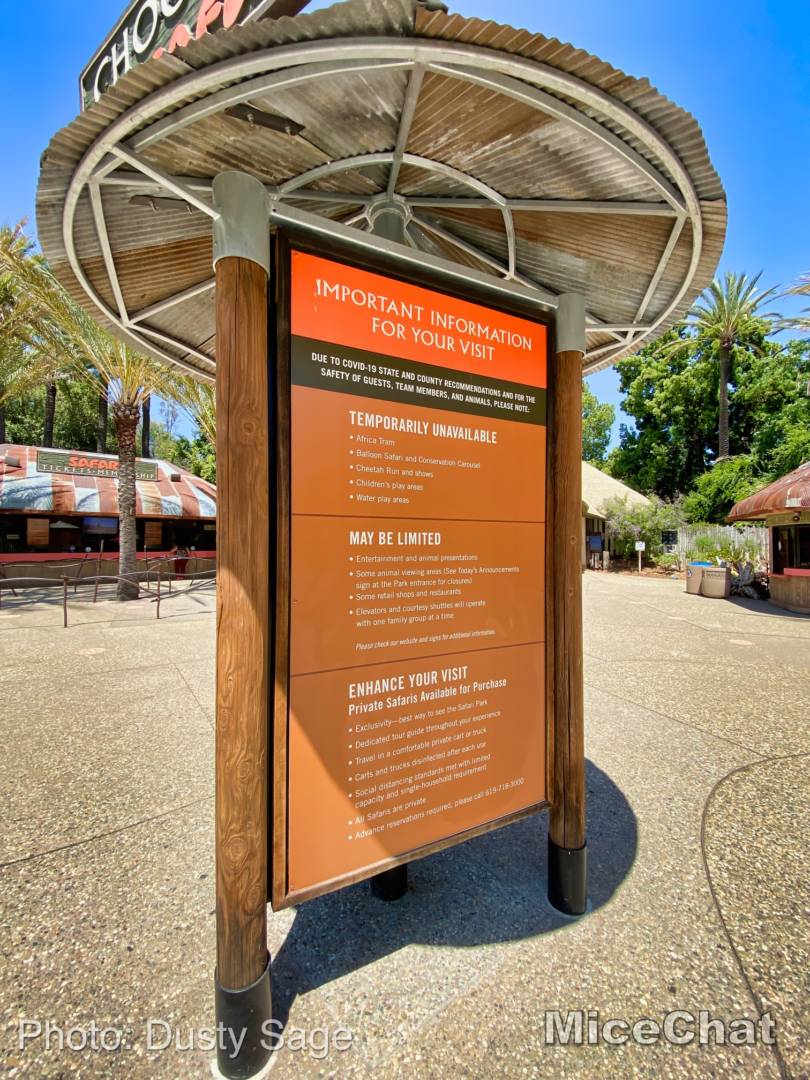
All along the entry plaza, there were social distancing markers. And there were also a handful of signs about increased safety precautions that the park was taking, and guidelines for guests.
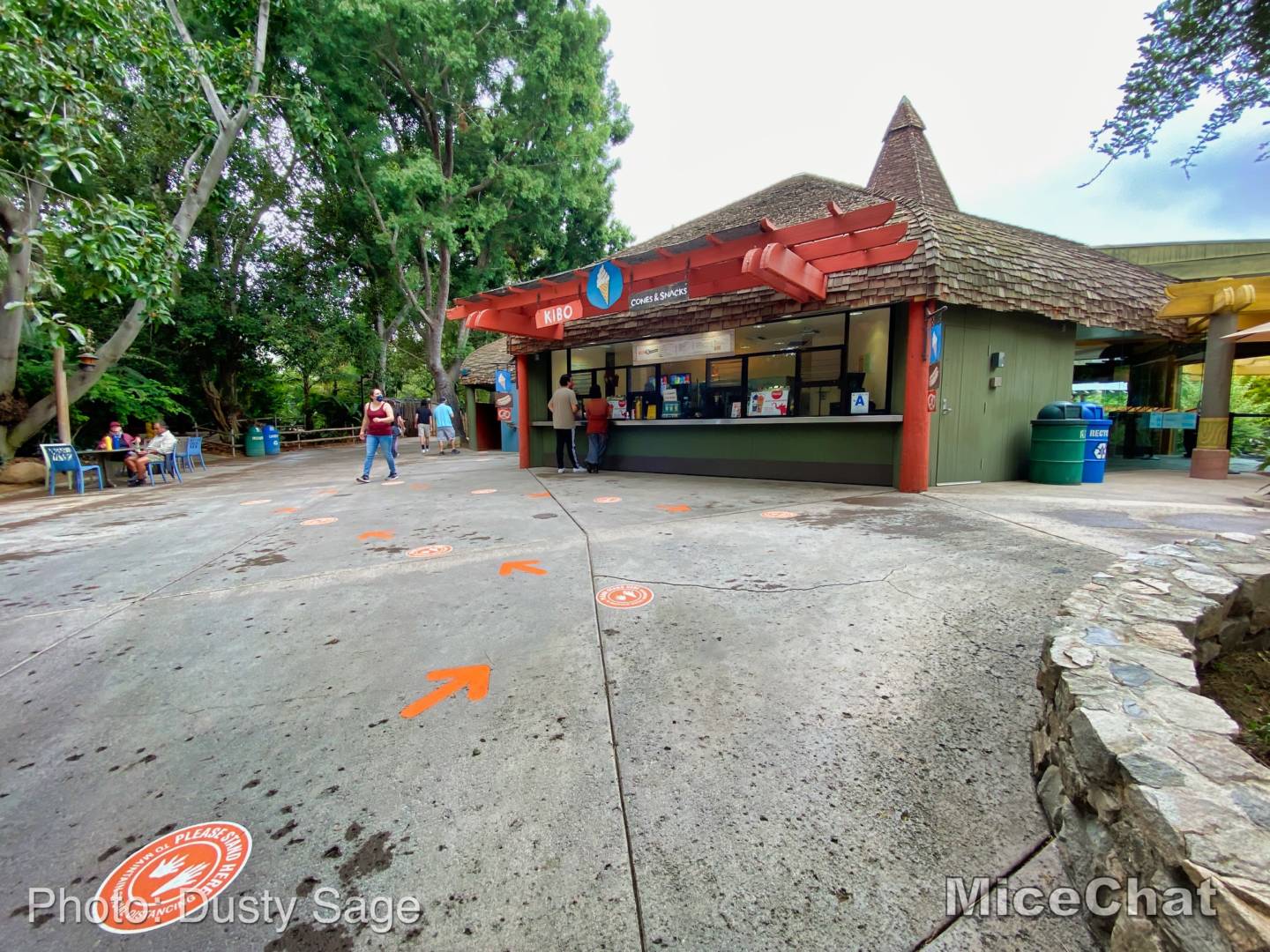
Upon entering, the park was noticeably empty. In an attempt to promote social distancing, the park capped attendance at a much lower rate than a regular operating day. The park is presumed to be limiting daily attendance to approximately 3,000 guests. At 11am we overheard a park radio call stating that park attendance was just 1,650. By the time we left the park at 2:45pm, the park still had never reached its max.
There are no park reservations. You simply need to take the risk that the park might be full when you arrive. For that reason, we recommend that you arrive early.
In the event of the park filling up, guests will be queued outside of the entry and admitted on a “one out, one in” policy. Also, something to note, there is no re-entry at this time, so you’d better have all your necessary items for the day because they won’t let you back in after your admission ticket has been scanned.
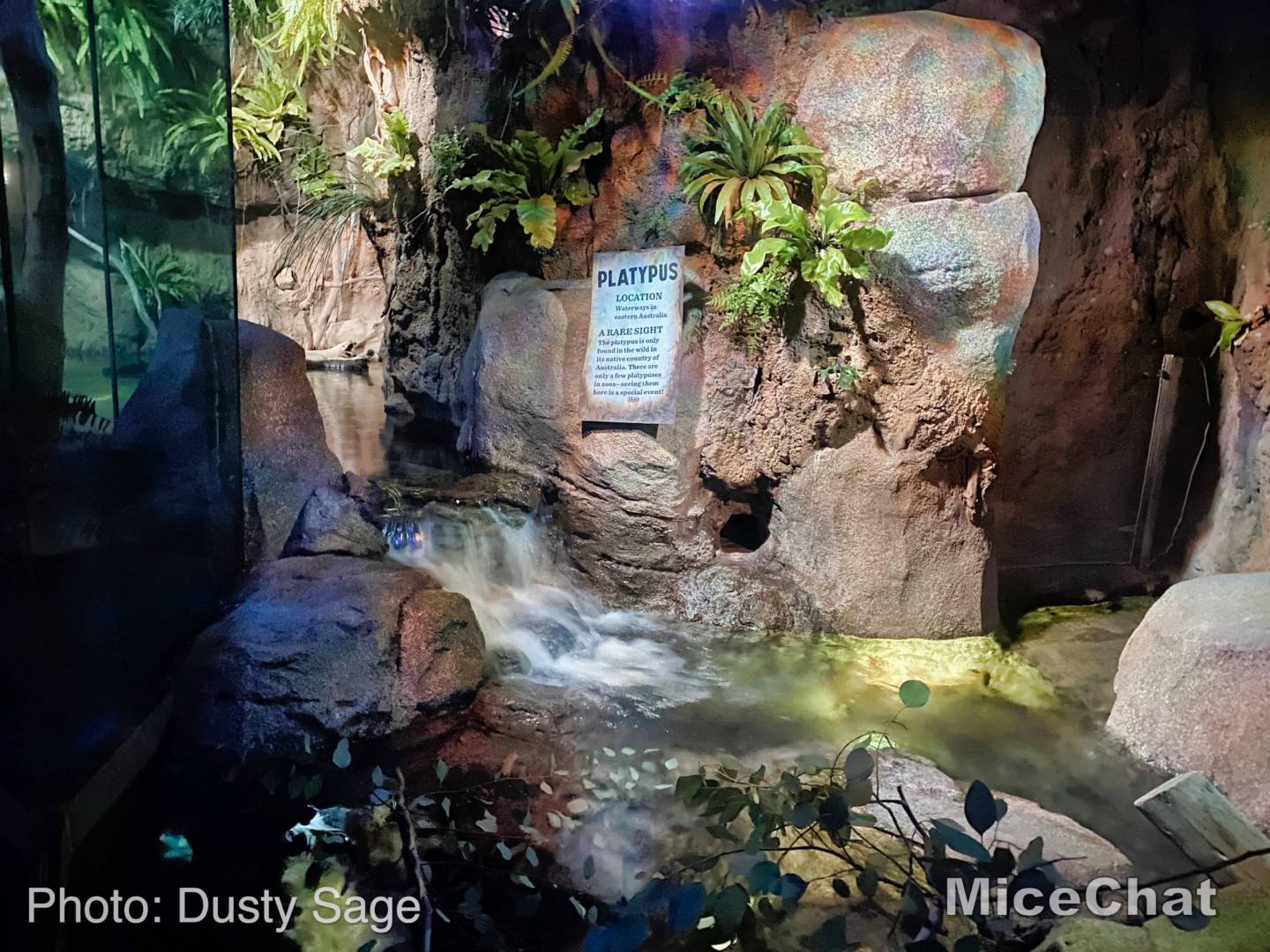
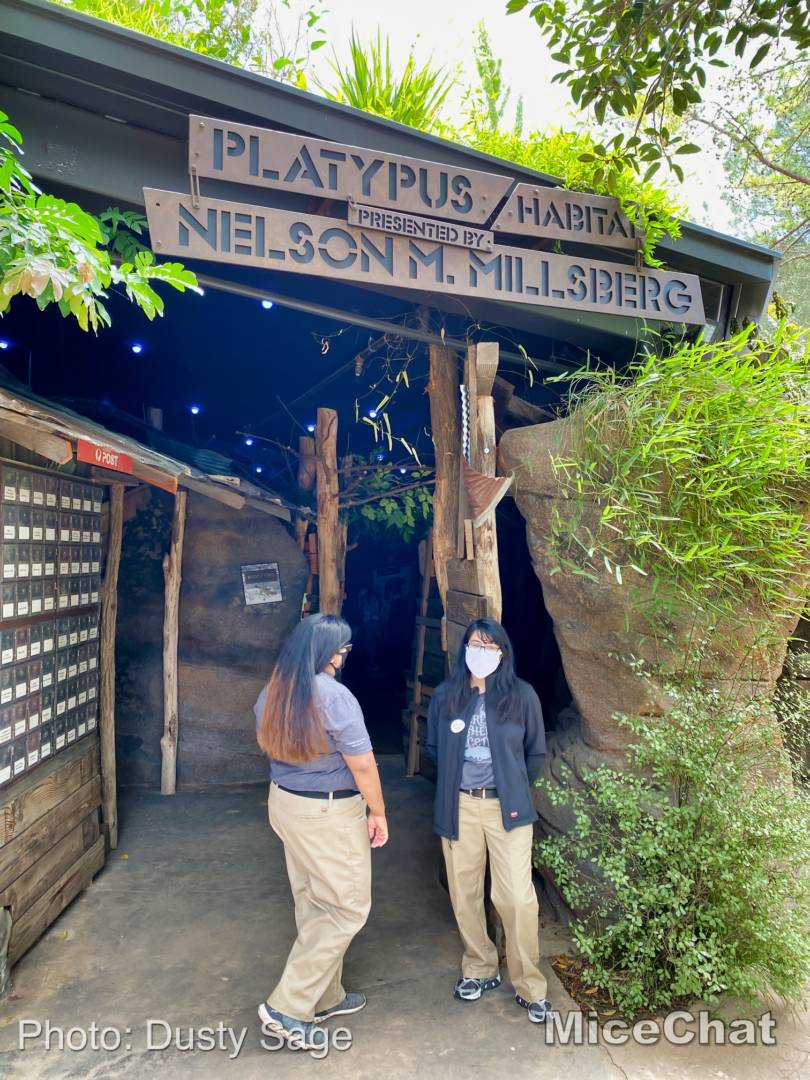
The Safari Park has seen many updates since the last time either Dusty or I had visited. Over the last few years, there have been new exhibits added, major renovations completed, and beautification done throughout. The park looked amazing. The latest addition is the Platypus exhibit which opened to the public just this past Thanksgiving!
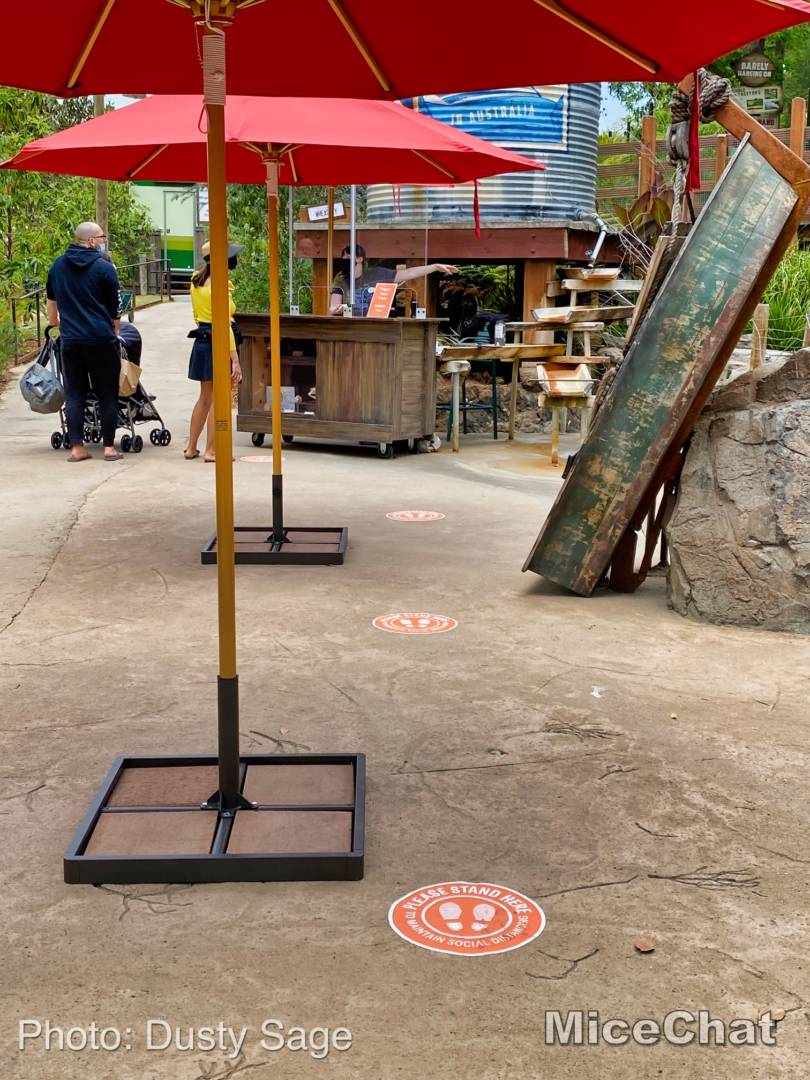
The park was experimenting with a time-return system for this small, enclosed area. Free tickets were being distributed with a later return time; our ticket was for well after we needed to leave the park. However, as we walked by the exhibit, one of the employees mentioned that people hadn’t returned for the current time slot, and we were welcome to go inside. The space is limited to 6 groups of guests, and each group has approximately 1 minute to look at the platypuses in their habitat before being politely asked to move along.
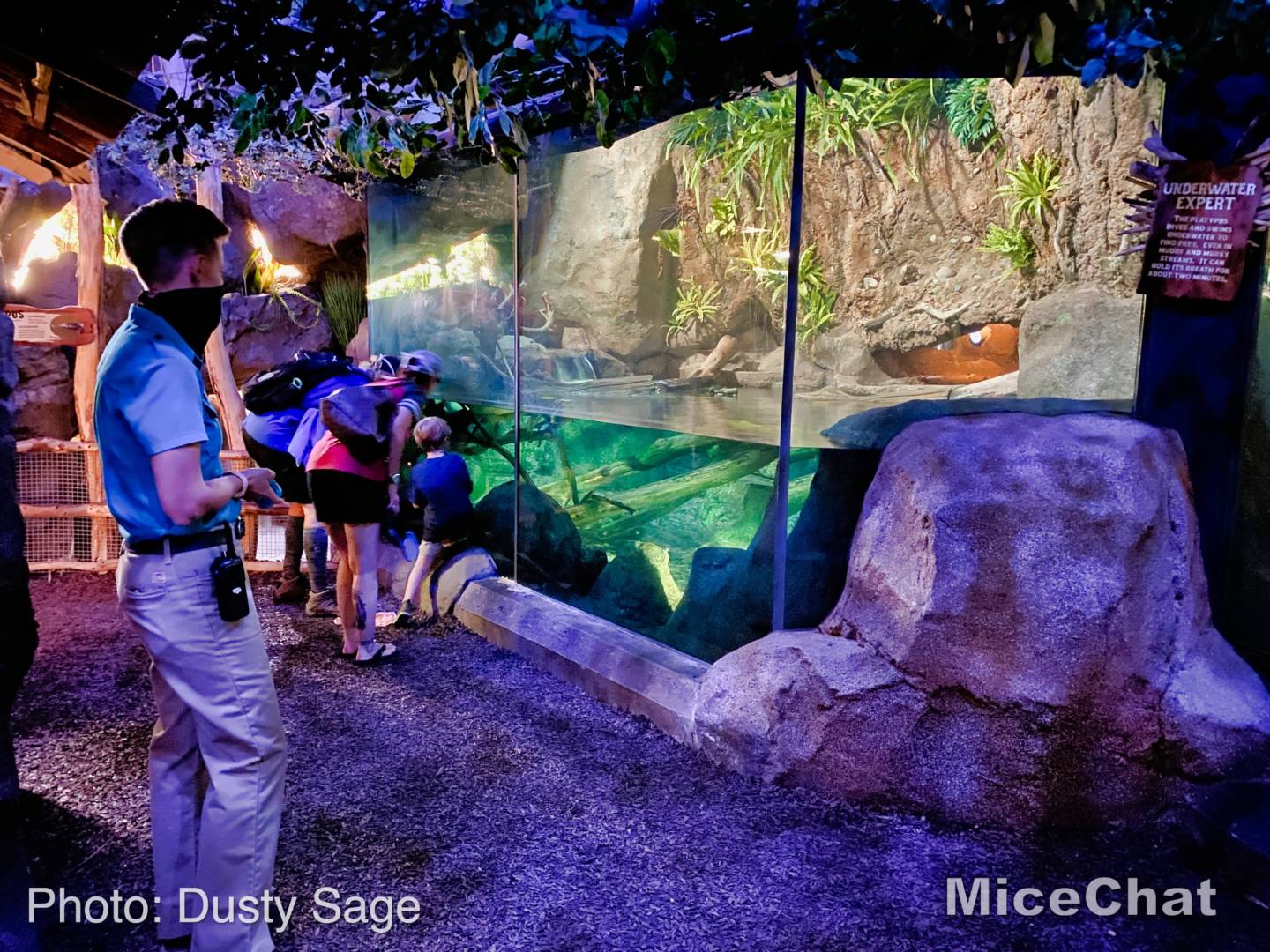
The attention to keeping guests apart and controlling crowds was well accomplished here and at other new exhibits, but that was certainly not the case everywhere. More on that below.
The Good
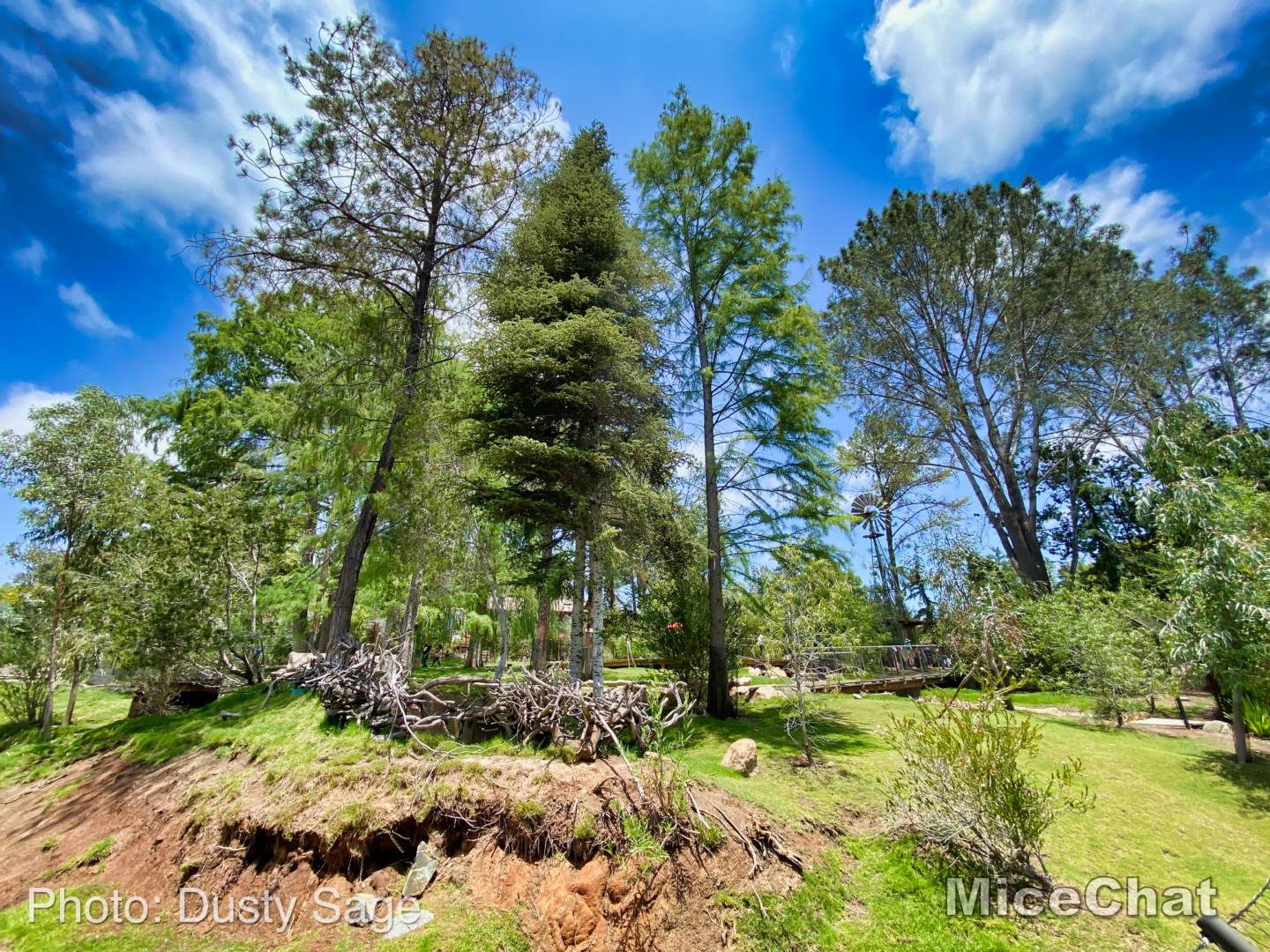
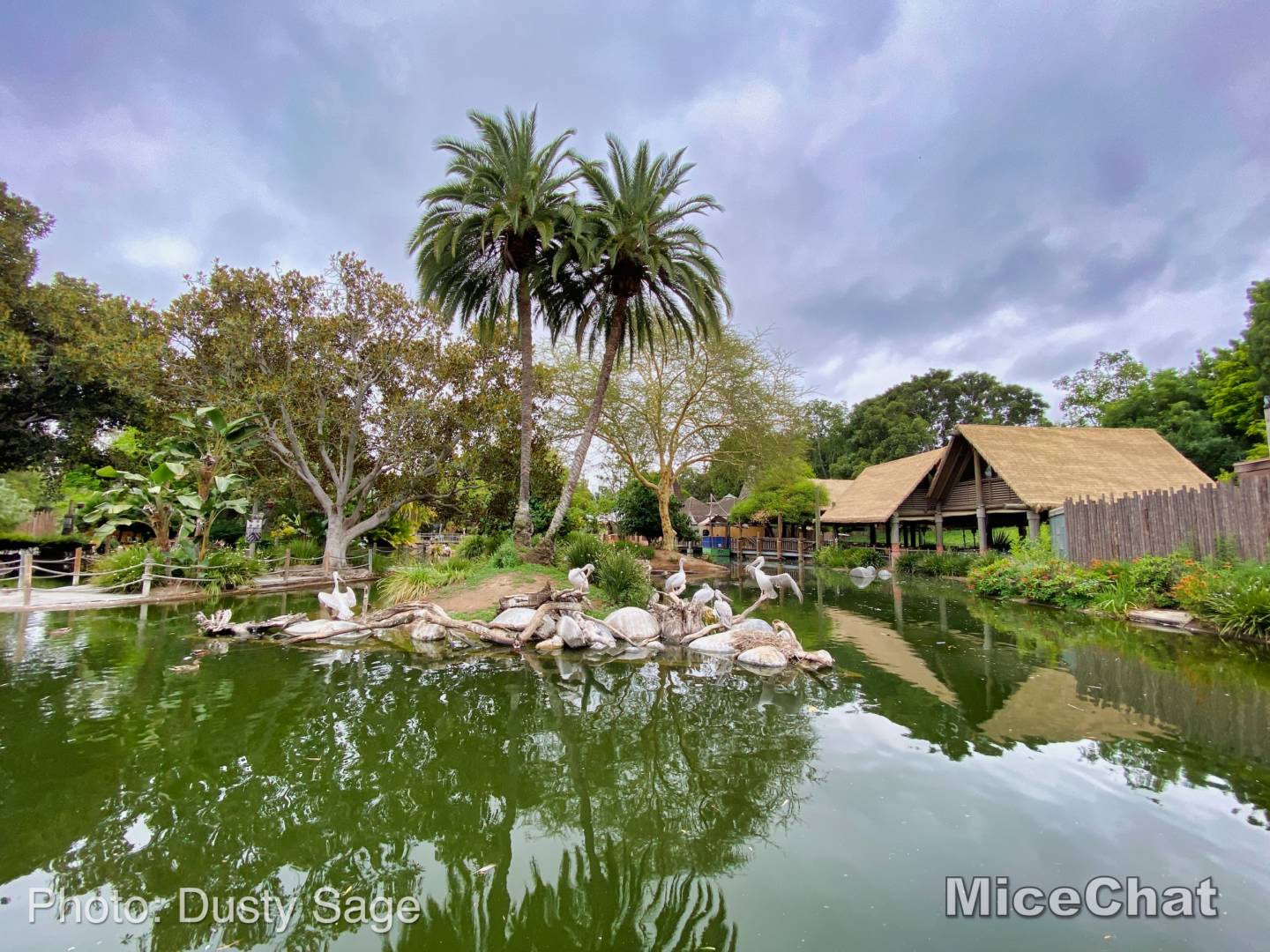
The Safari Park’s strength right now is mostly due to its massive size. By capping its maximum attendance for the day, visitors should be easily able to socially distance themselves. There were times when we felt like the only ones in certain sections of the park.
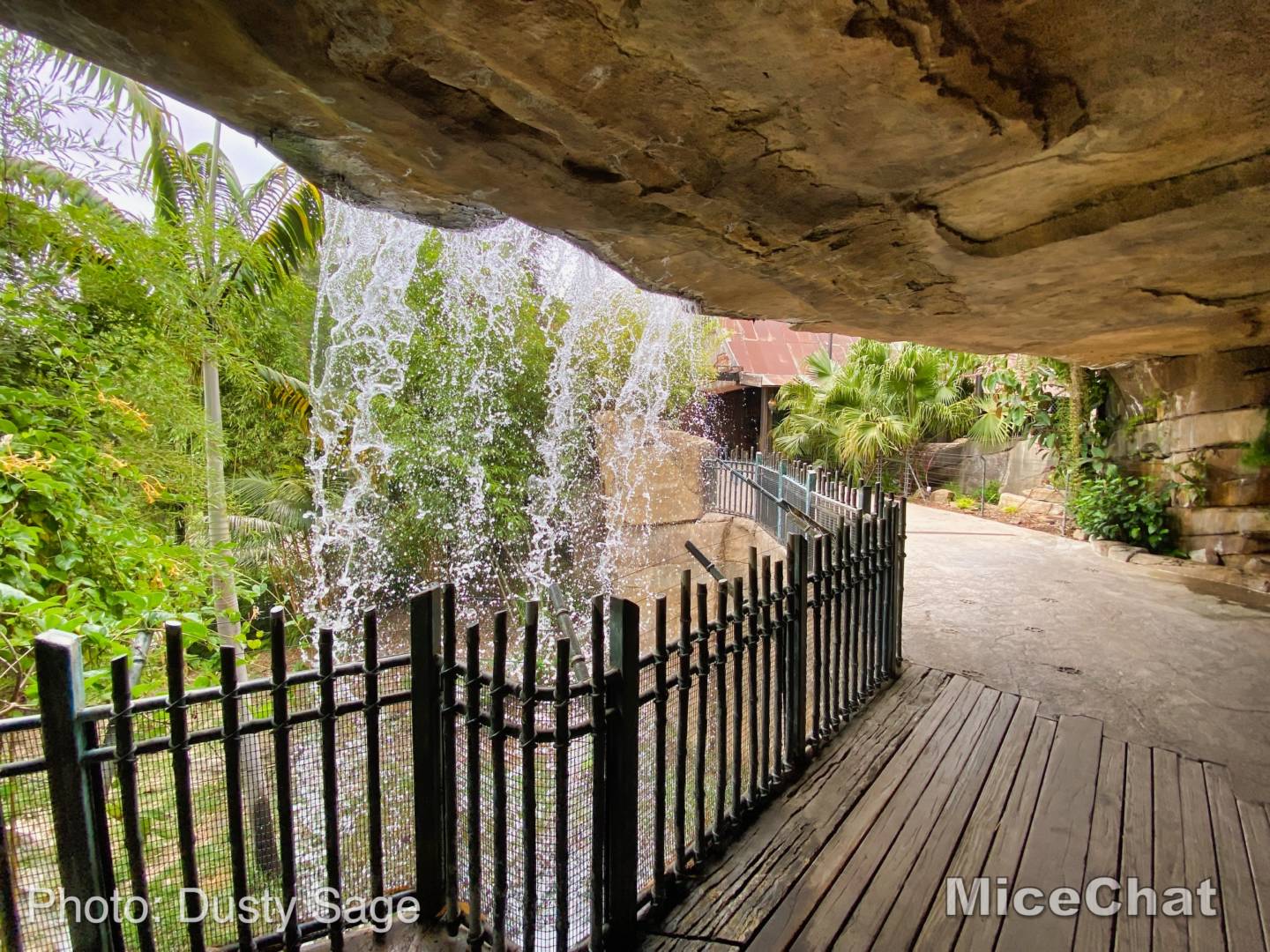
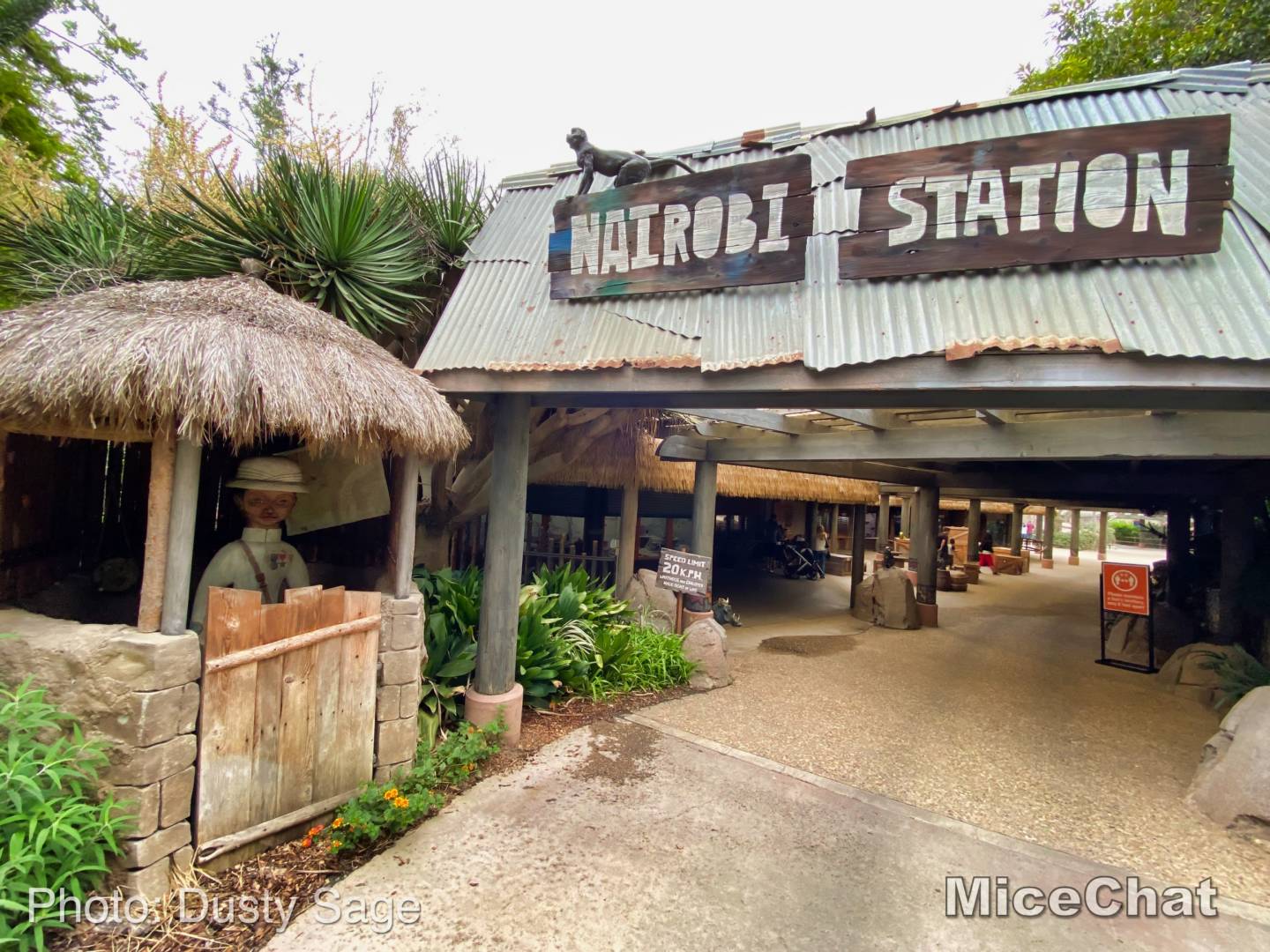
Another strong point is the park’s employees. They were all very friendly and wearing shirts created specifically for the reopening. We also saw several employees constantly disinfecting tables, chairs, and handrails around the park. The keepers and animal experts all seemed very happy to be back on the job and we had some great interactions with them.
The Bad
Now, this is the rough part. There’s always room for improvement, but our visit to the Safari Park seemed almost like they weren’t ready to reopen. From the moment we arrived until we departed, we encountered a series of issues that made us question if the park was perhaps opening too soon or simply unprepared.

The health pre-screening was a total joke. It consisted of driving up to an employee holding a basic sign. The sign asks that you comply with wearing a face mask, if you’ve been in contact with someone with COVID-19, and if you’ve recently had any of the symptoms. There was no temperature check, they weren’t looking into the car to see the condition of each passenger. They just pointed to the sign and asked us to answer the three questions for everyone in the car. This is security theater at its worst and will do nothing to weed out potentially sick guests.
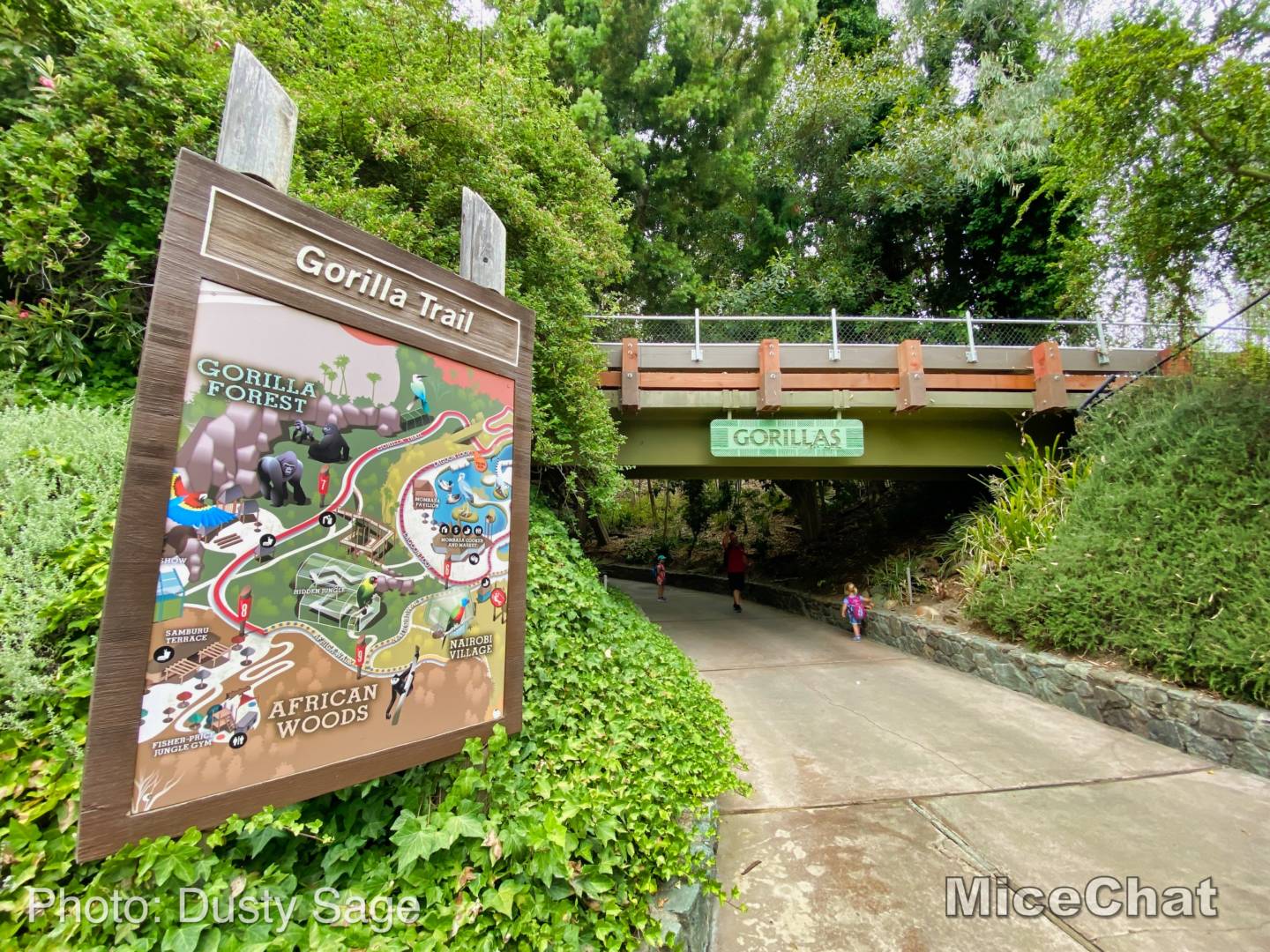
Next, there was very little signage around the park regarding operational updates and recommended guidance. Aside from the signs at the entrance asking guests to maintain a 6-foot distance away from other guests and to frequently wash/sanitize hands, there was little signage found in the park in the areas guests are most likely to congregate. Most of the animal exhibits didn’t have social distancing markers in use, and we only found hand sanitizer available in a few locations. This was the most frustrating part of our visit, especially compared to our other recent theme park opening experiences.

Finally, we had a very hard time finding out when various attractions/exhibits/eateries would be open. There’s a small sign posted at the front of the park about closures, but the app was useless in determining if various venues were temporarily closed due to the early hour or if they would not be opening at all due to the current situation.

We walked all the way down to the bottom of the park for the Africa Tram, only to be told when we arrived that they weren’t planning on opening the attraction for at least another few weeks. Having signs posted along the walkway would have been helpful and saved us some time. We weren’t the only ones. Party after party showed up at this location only to be turned away.
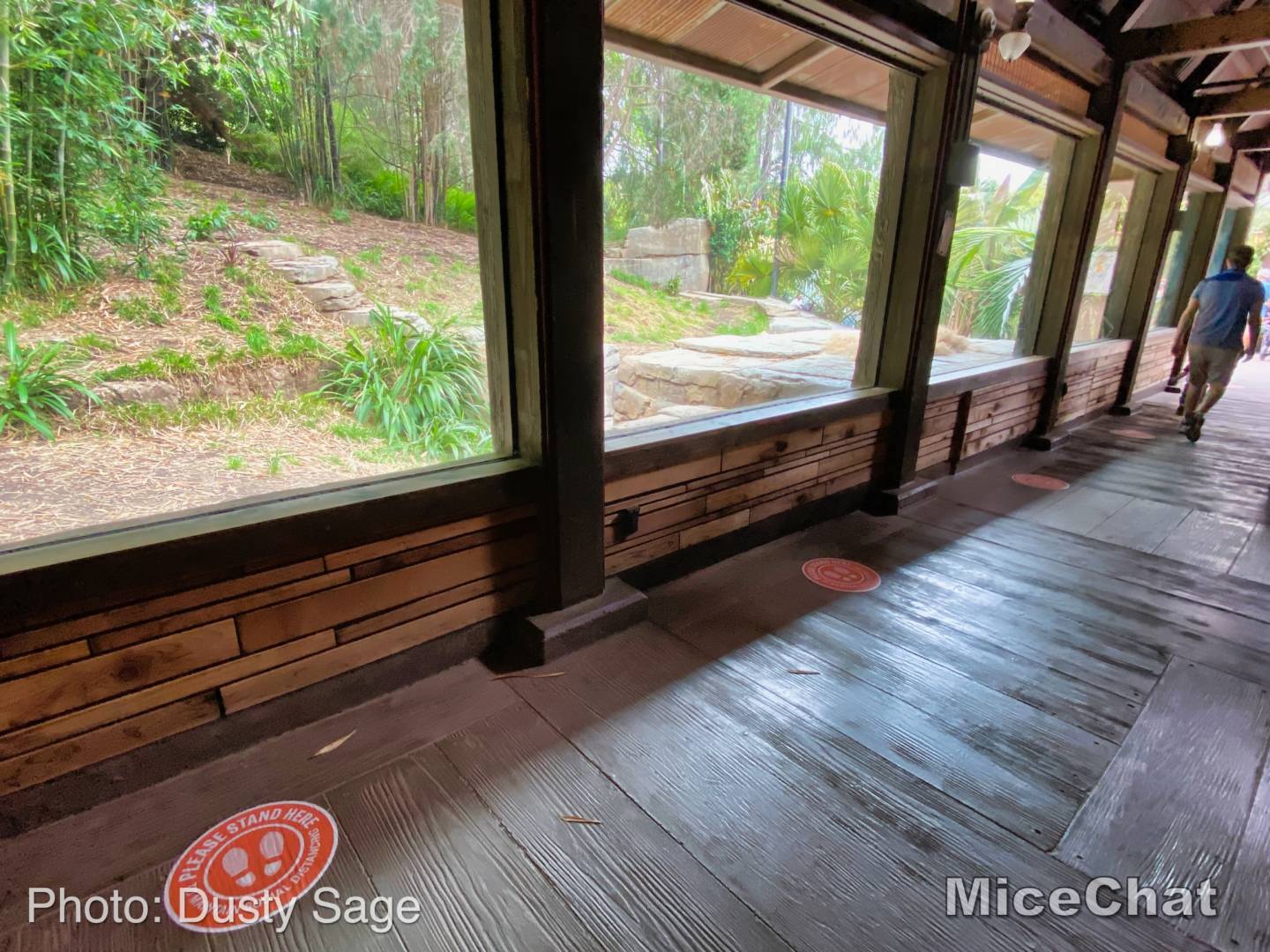
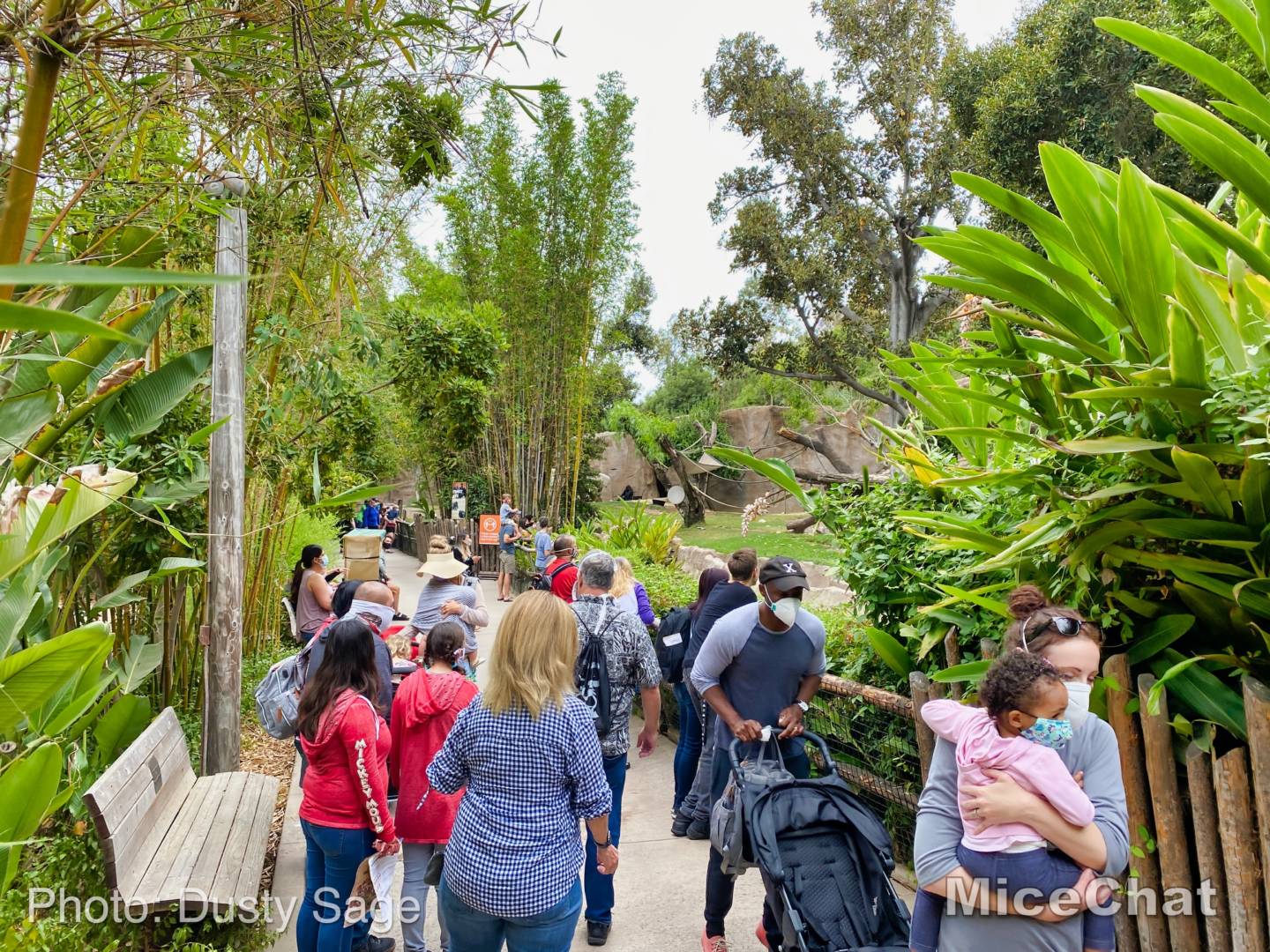
Our biggest concerns are areas that became congested even with so few guests in the park. In these areas, guests don’t seem to be trying to keep a safe social distance, because they want to see the animals. However, in spots where there’s an employee assisting guests and there are markers on the ground, this situation did not seem to be occurring.

With that said, it was really nice being able to return to the Safari Park, especially since it had been so long. I just hope that the safety guidelines are taken more seriously, especially since the Zoo and the Safari Park are the first significant attractions to reopen in Southern California, and a failure here could very well result in Disney, Universal and other parks being asked to push back their reopenings.
More Views from the San Diego Zoo Safari Park
Welcome to one of the most beautiful and unique zoos in the world. Here, the largest enclosures are larger than the size of most entire zoos. Be prepared for a lot of walking because if you want to see everything, you are going to log approximately 10 miles, as we did yesterday.

The parking lot had very few cars. This was how the lot looked when we left at 2pm. There were even fewer cars at 8:30am.
The zoo had very light crowds on opening day. This is the ticket window.

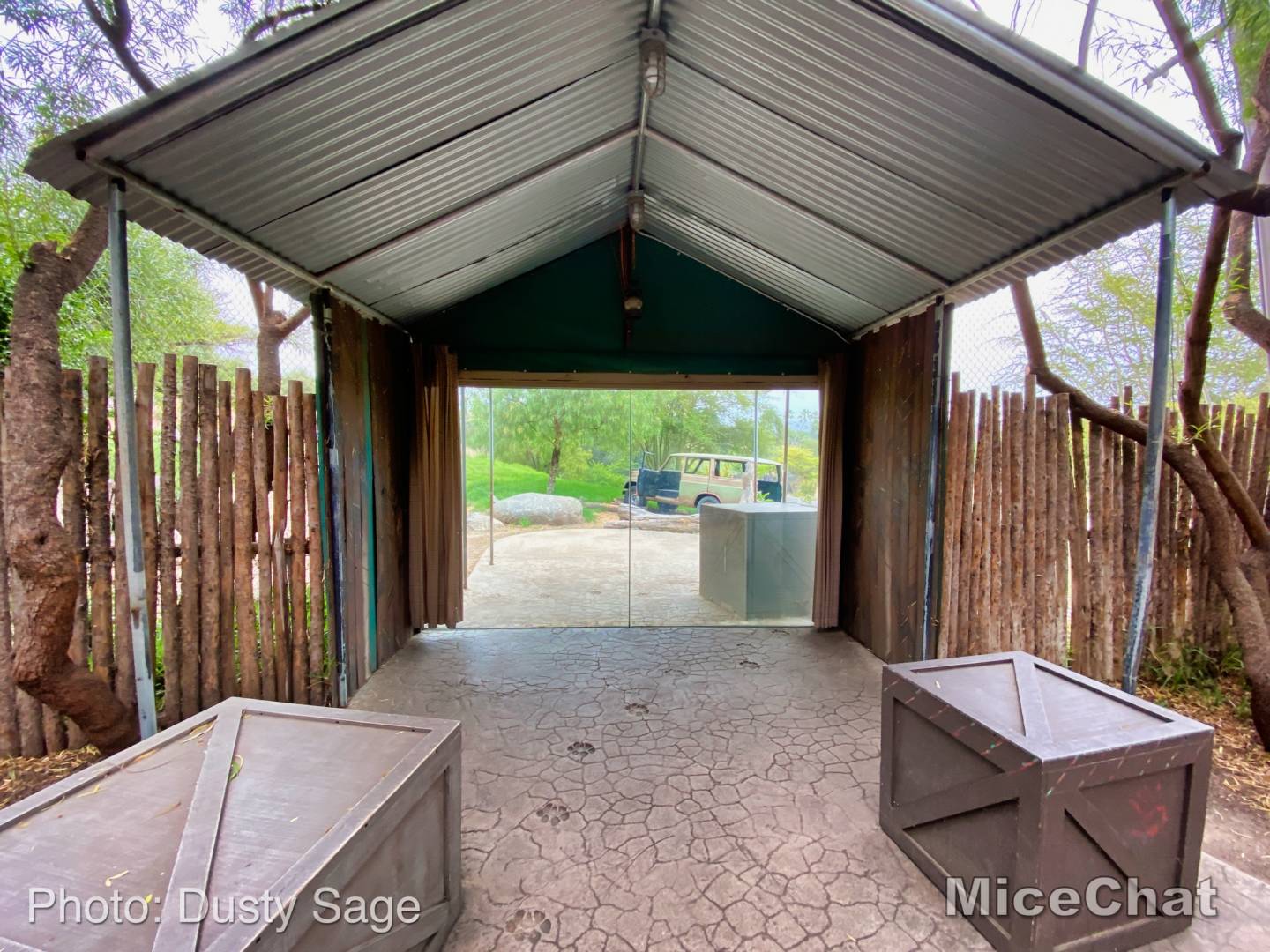
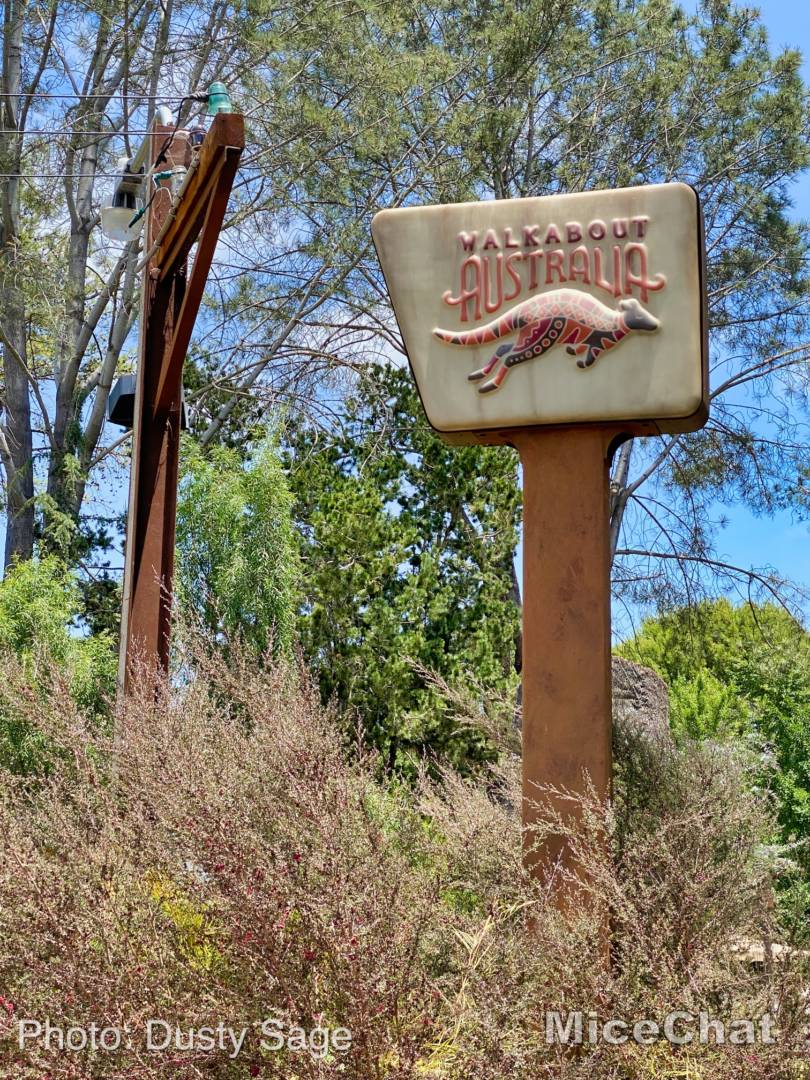
Top of our list was the new Australia exhibit, which is beautifully designed. You’ll find Tree Kangaroos, Platypus, regular Kangaroos, all sorts of exotic birds, and other animals of the outback.


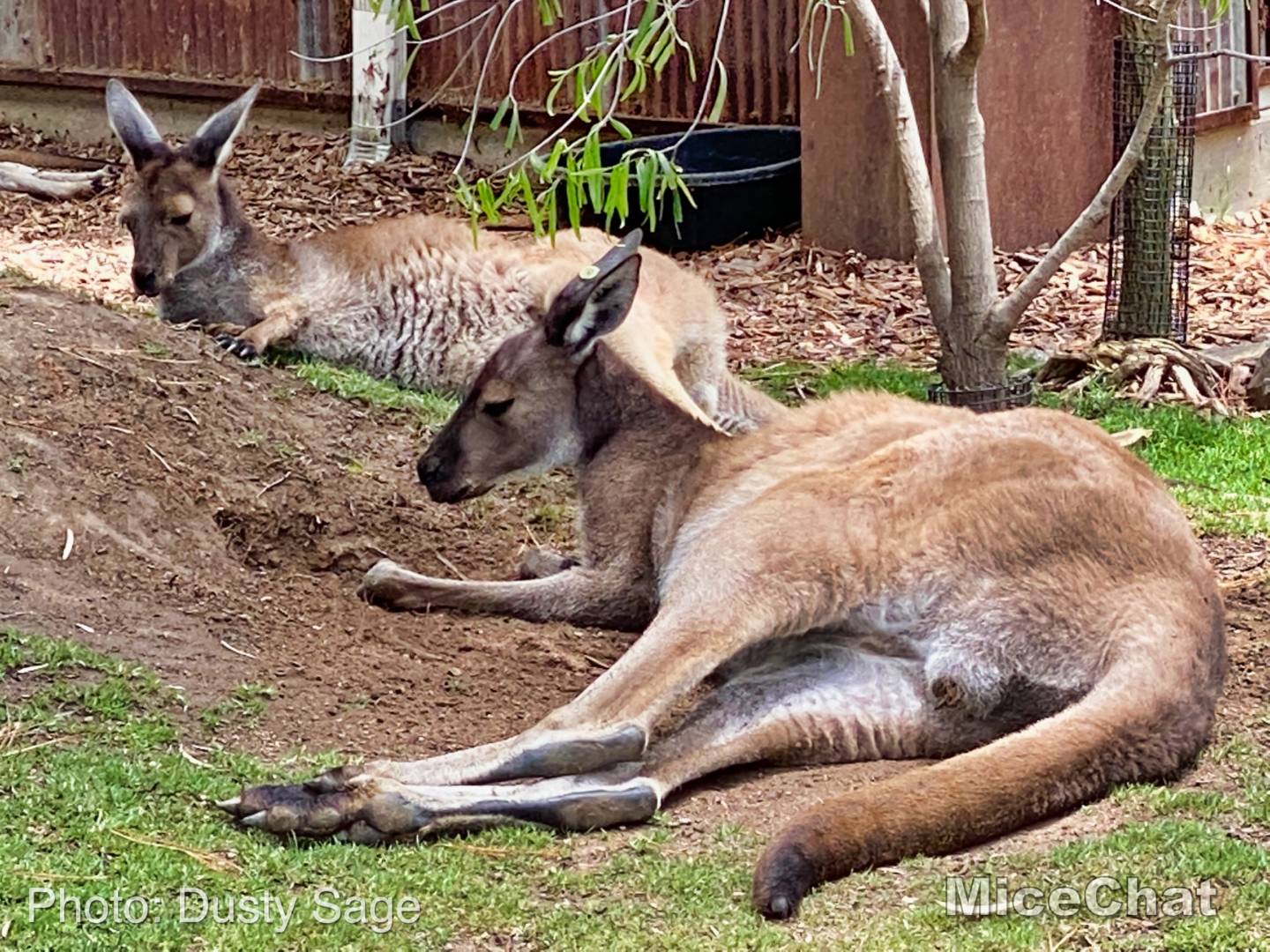
The signage and theme throughout the area is rustic Australian outback.

Not far from the Australia trails is one of my longtime favorite spots. The Bonsai Garden contains dozens of well-manicured specimens.

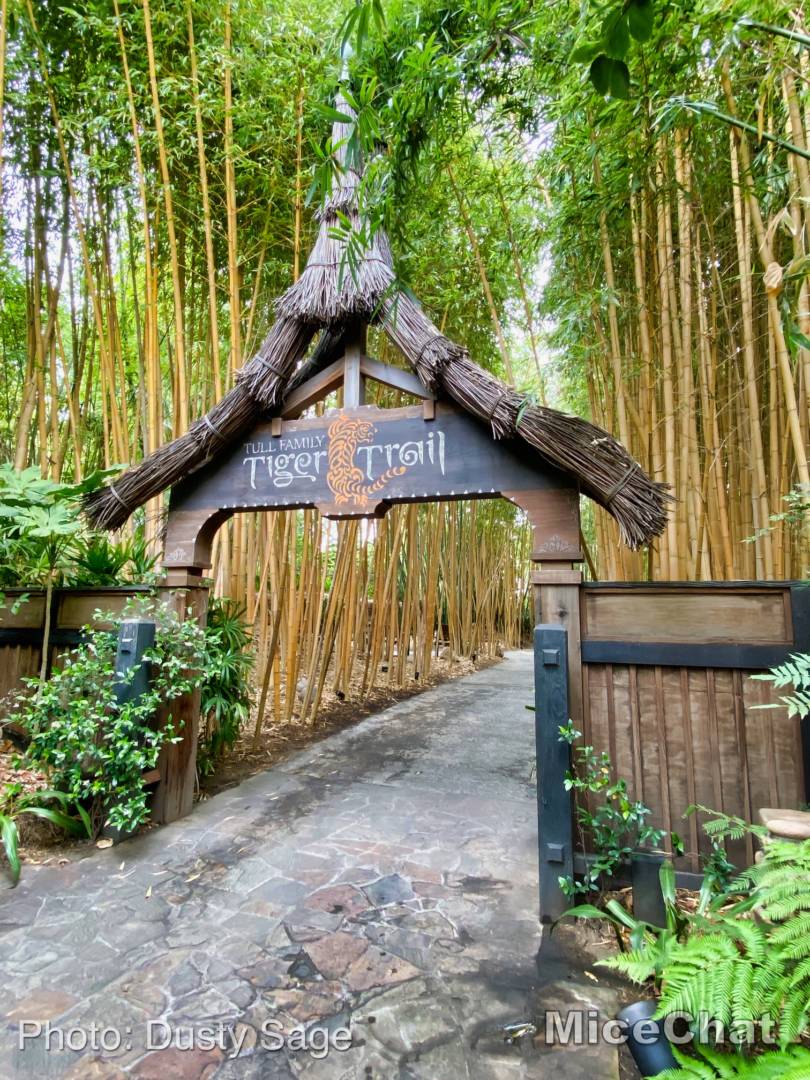
Another must on our list was the revamped Tiger Trail, which felt very much like Disney’s Animal Kingdom to us.


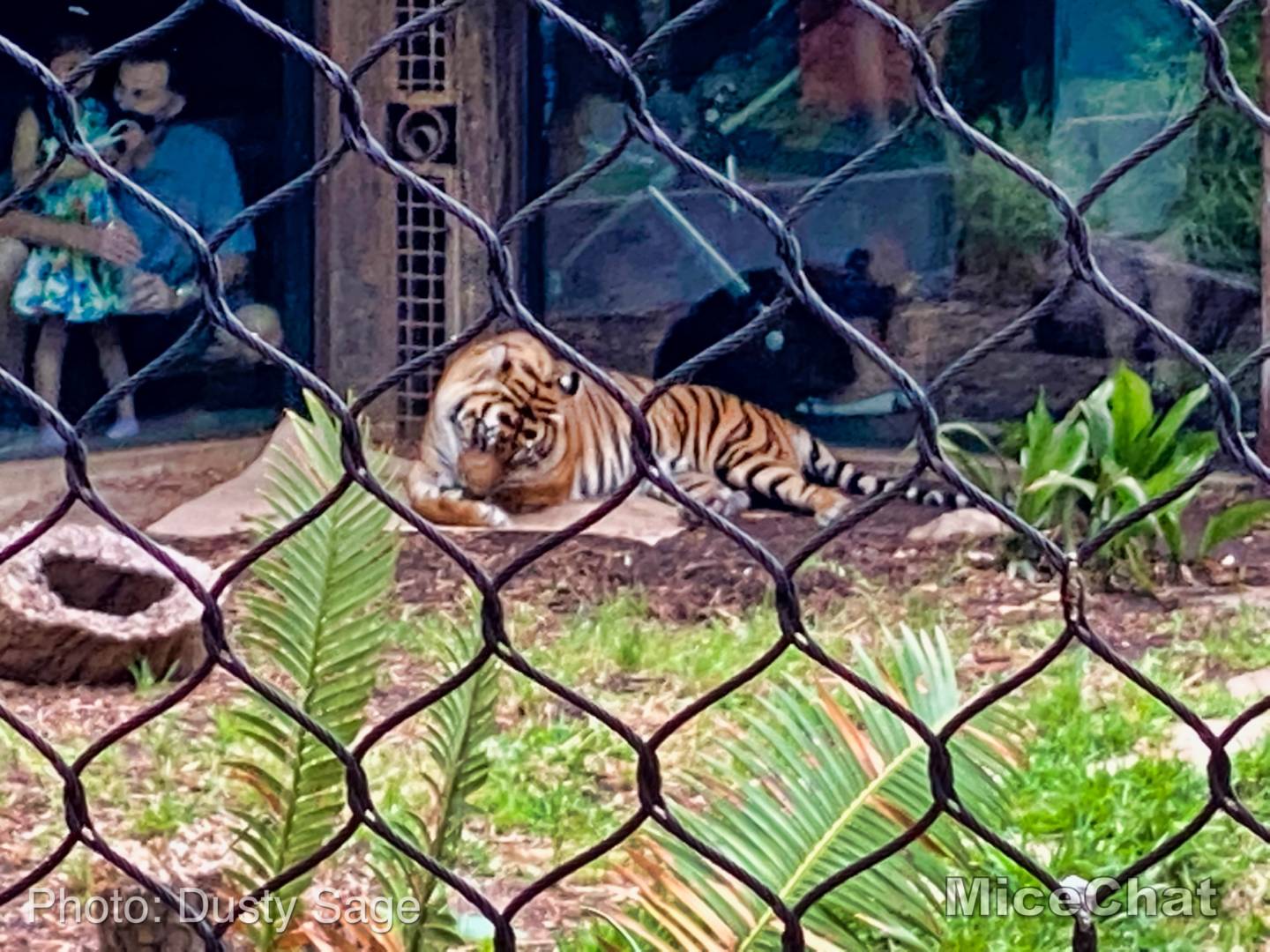
But due to the extraordinary times were are living in, not everything was open. Many of the most popular attractions, such as the Africa Tram, the balloon ride, kids play areas, and water play areas were closed.

You can still schedule a private “Cart Safari,” but you must rent out the entire vehicle.


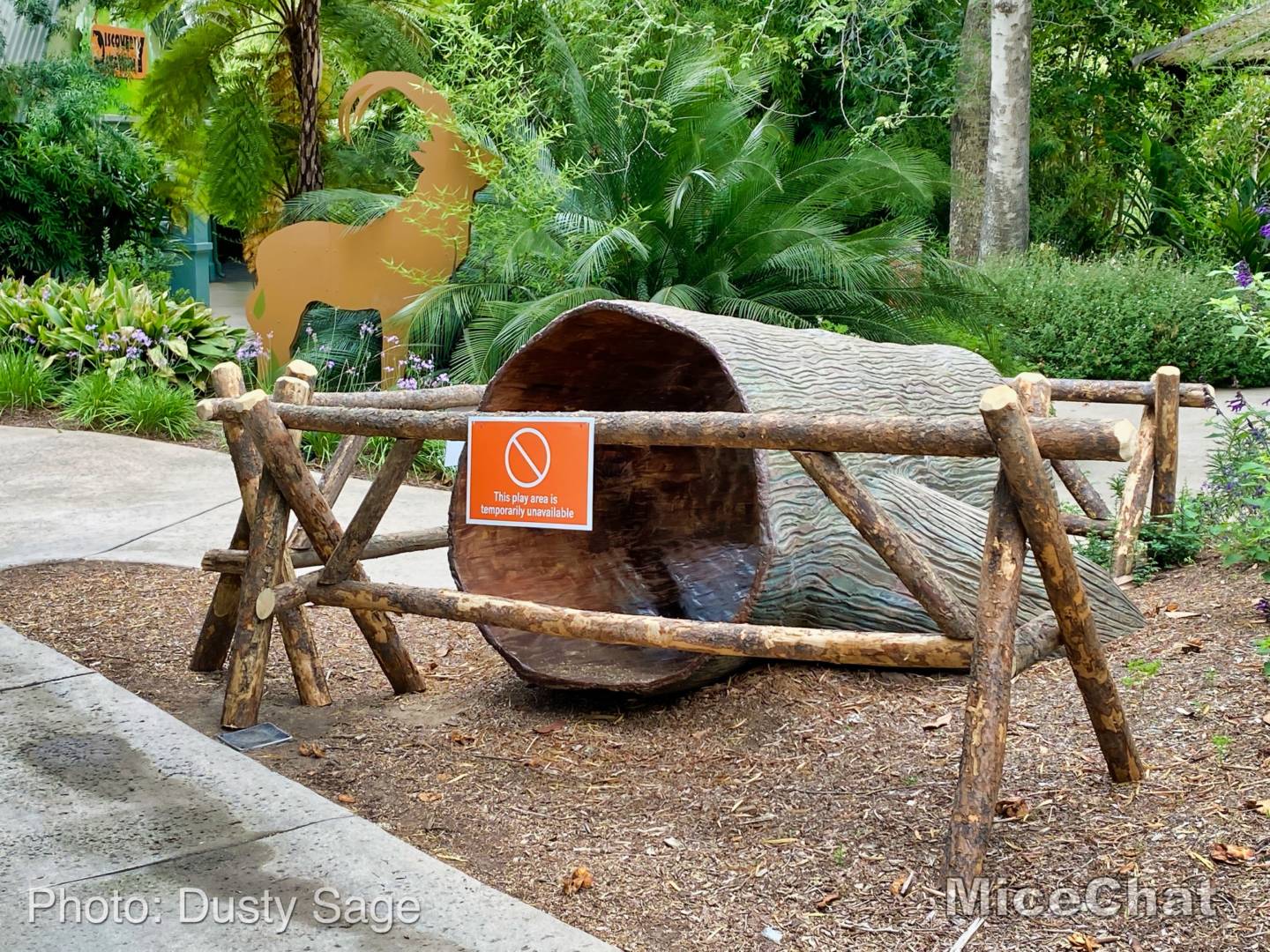
Nets and barricades were covering many of the interactive props in the park.


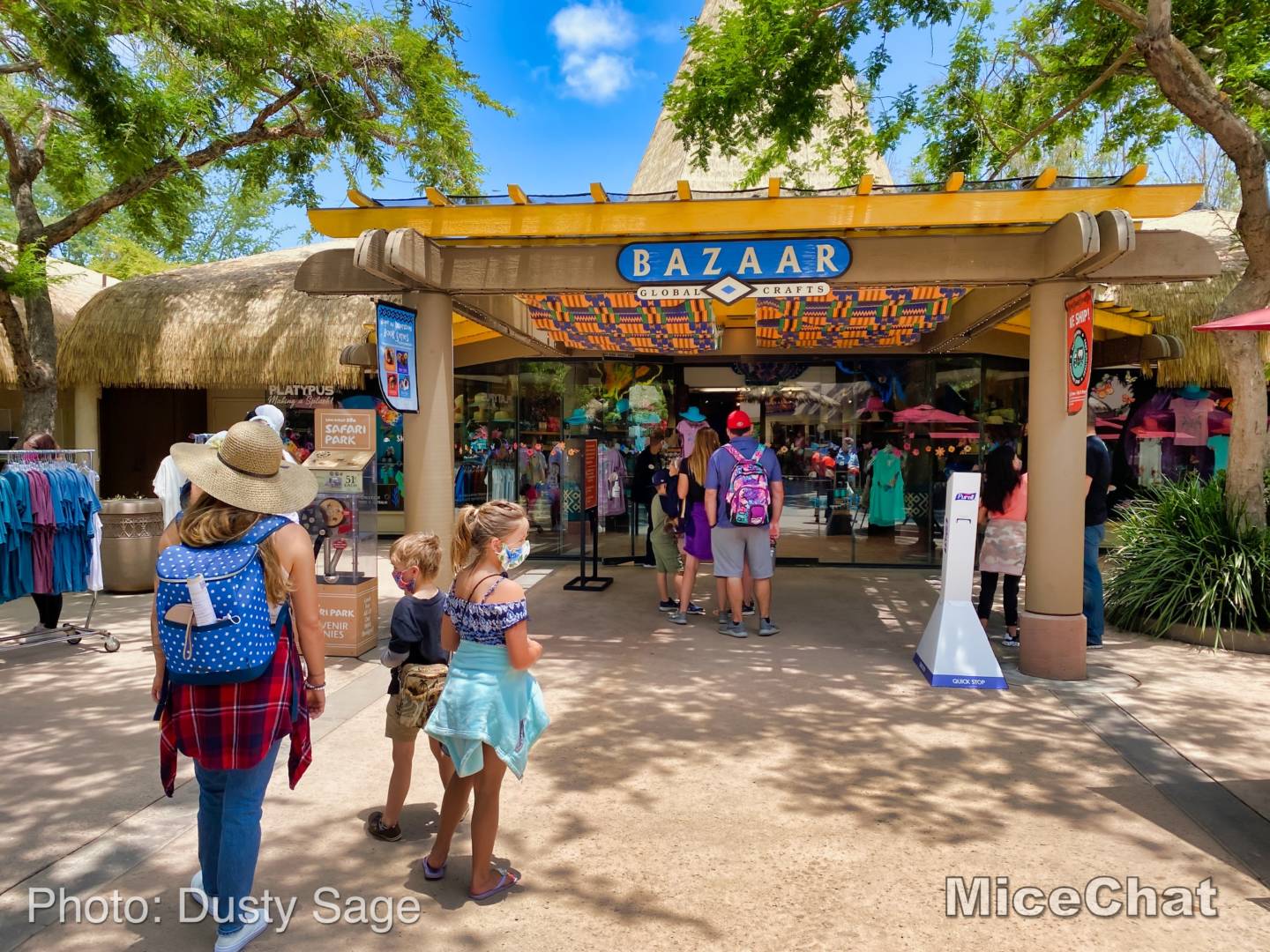
The main shop was letting very few customers in the store at a time. Queue markers were set up outside, and all guests were asked to use hand sanitizer before entering.

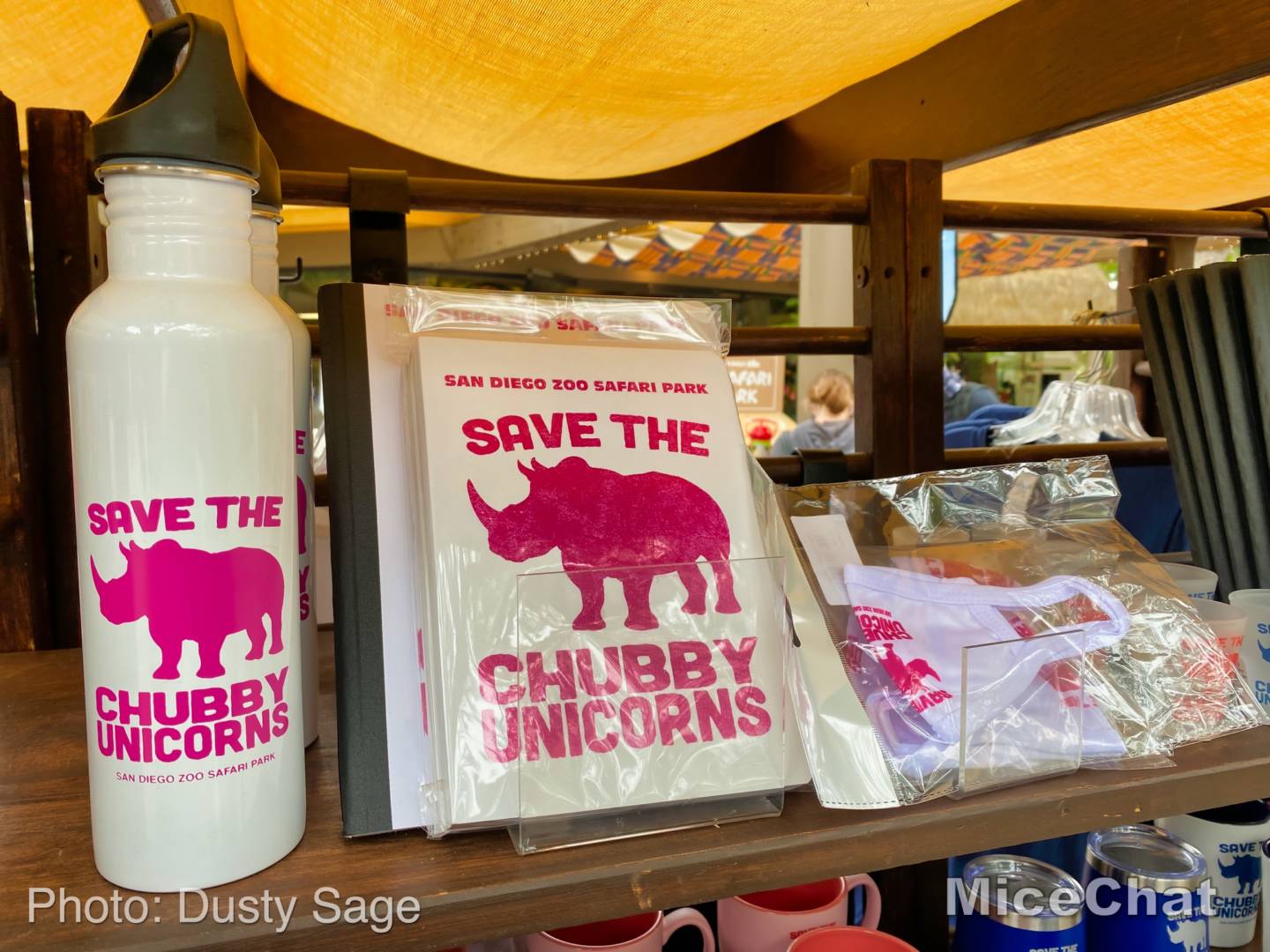
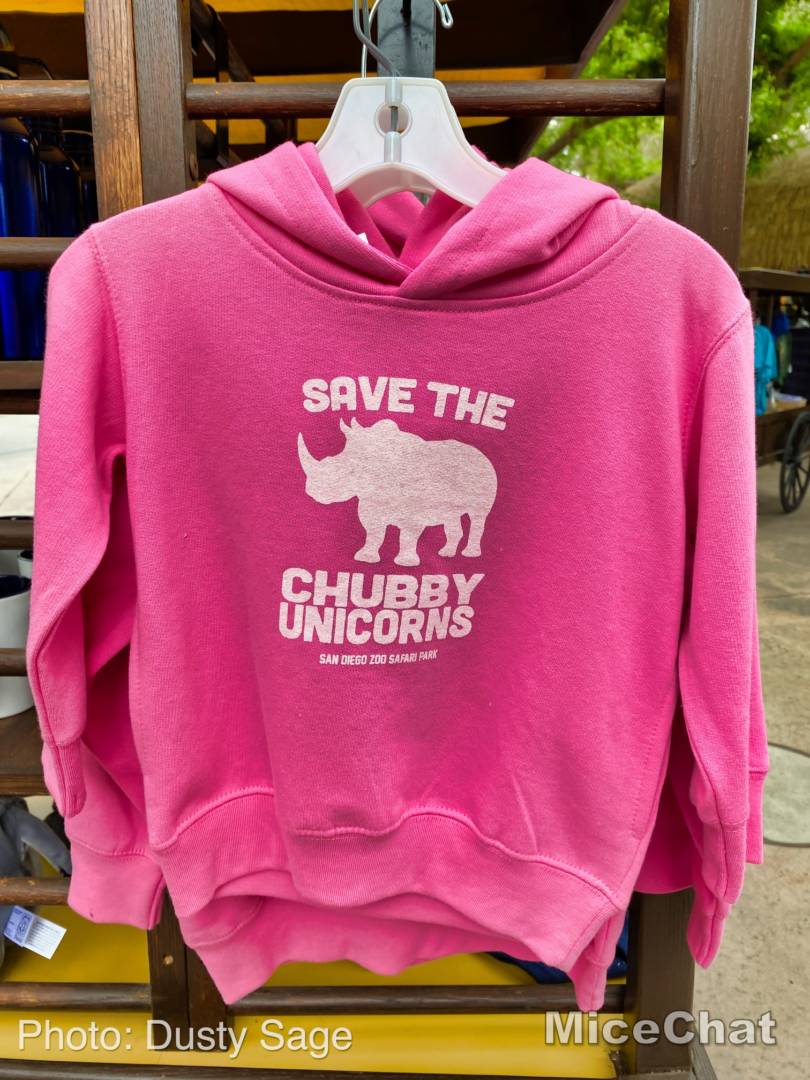
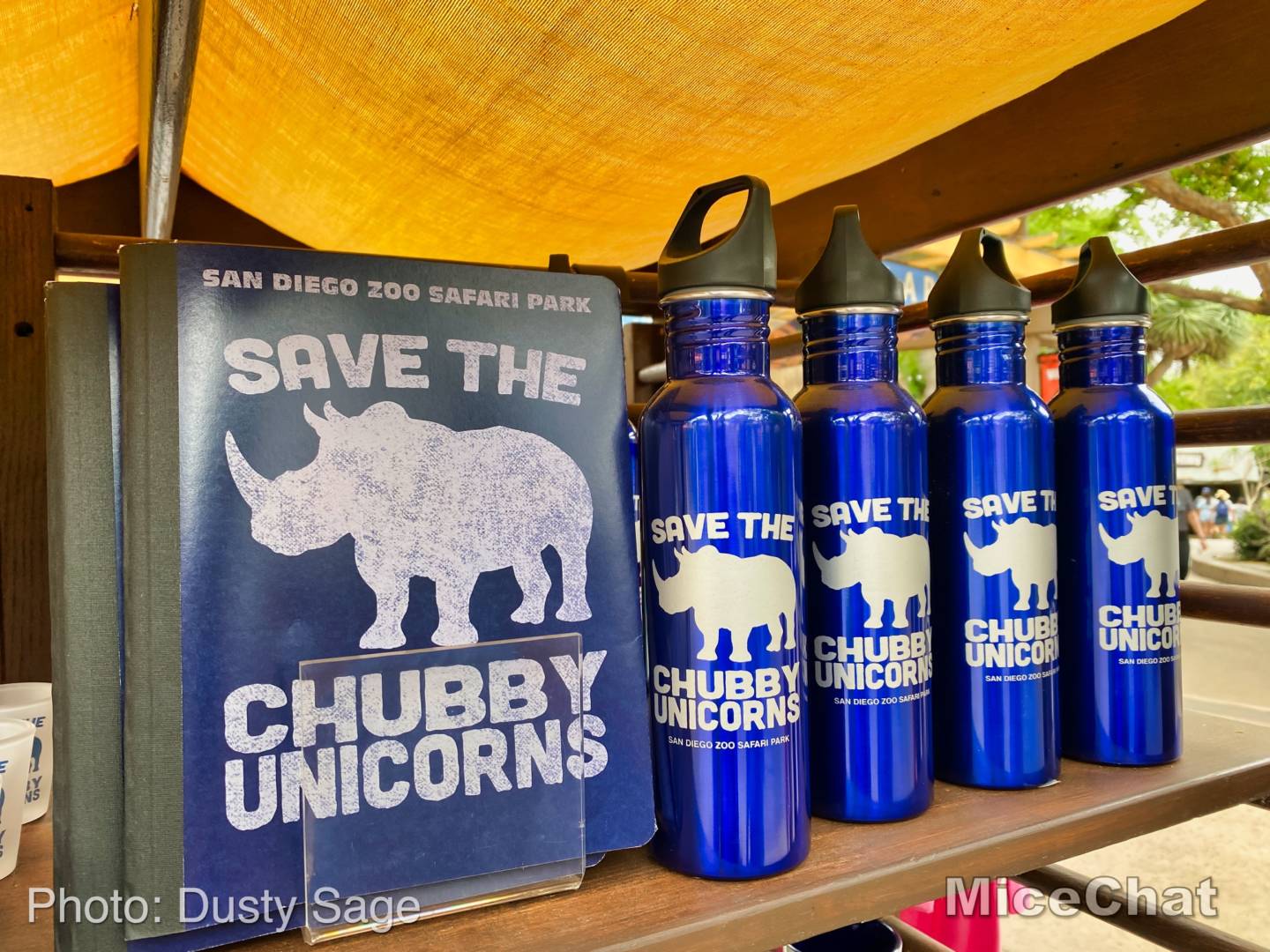
Let’s save the chubby Unicorns!
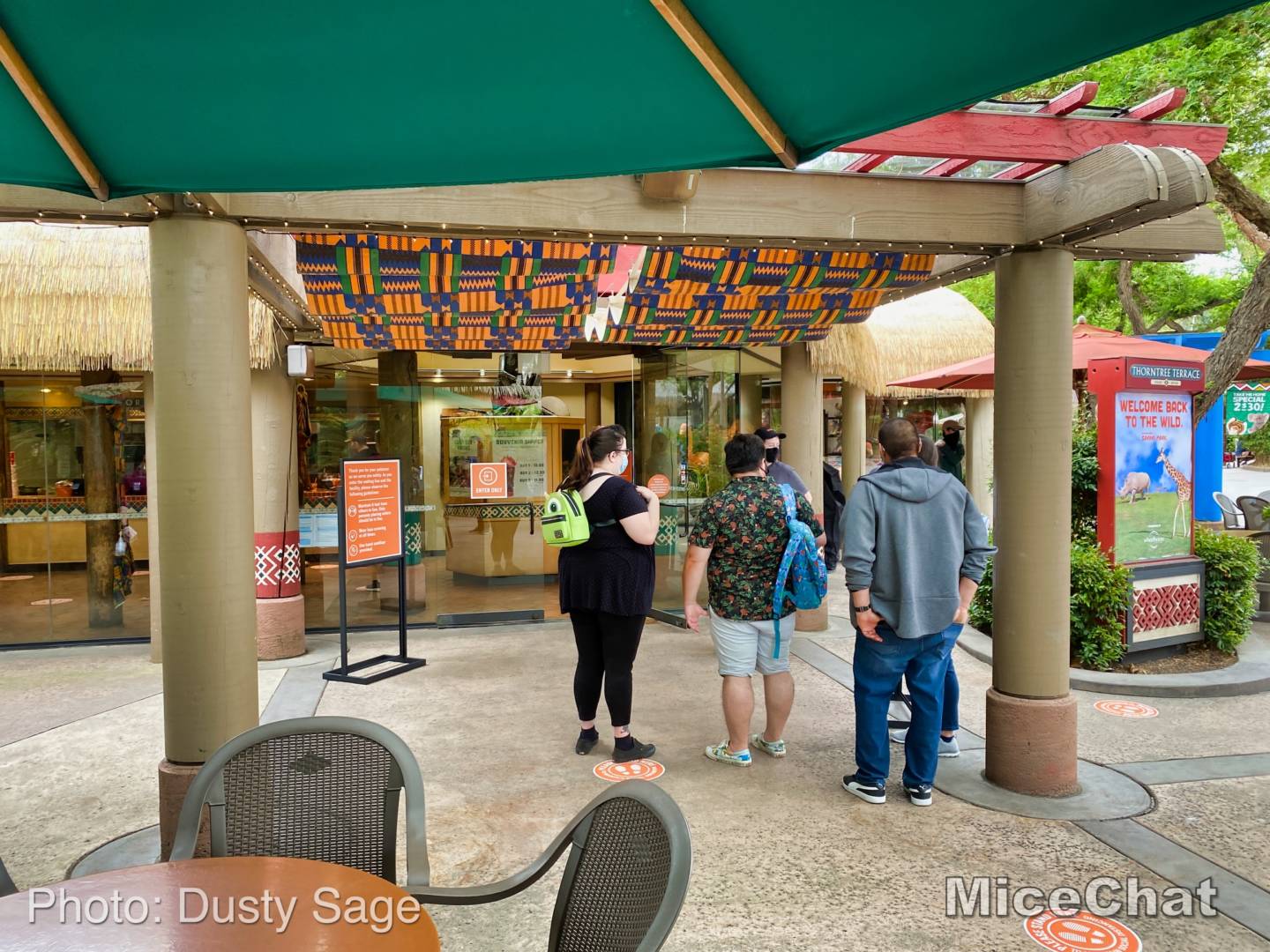
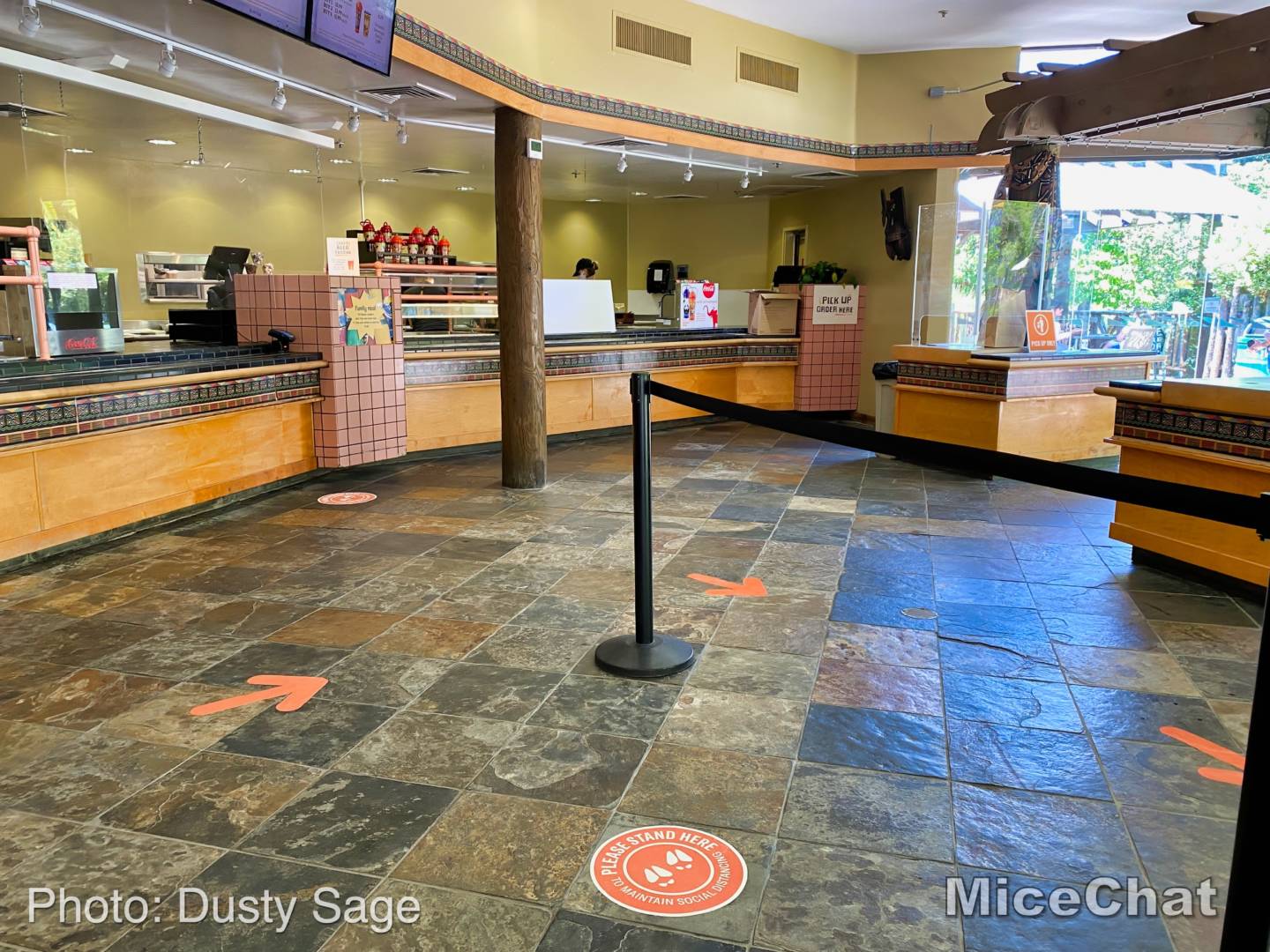
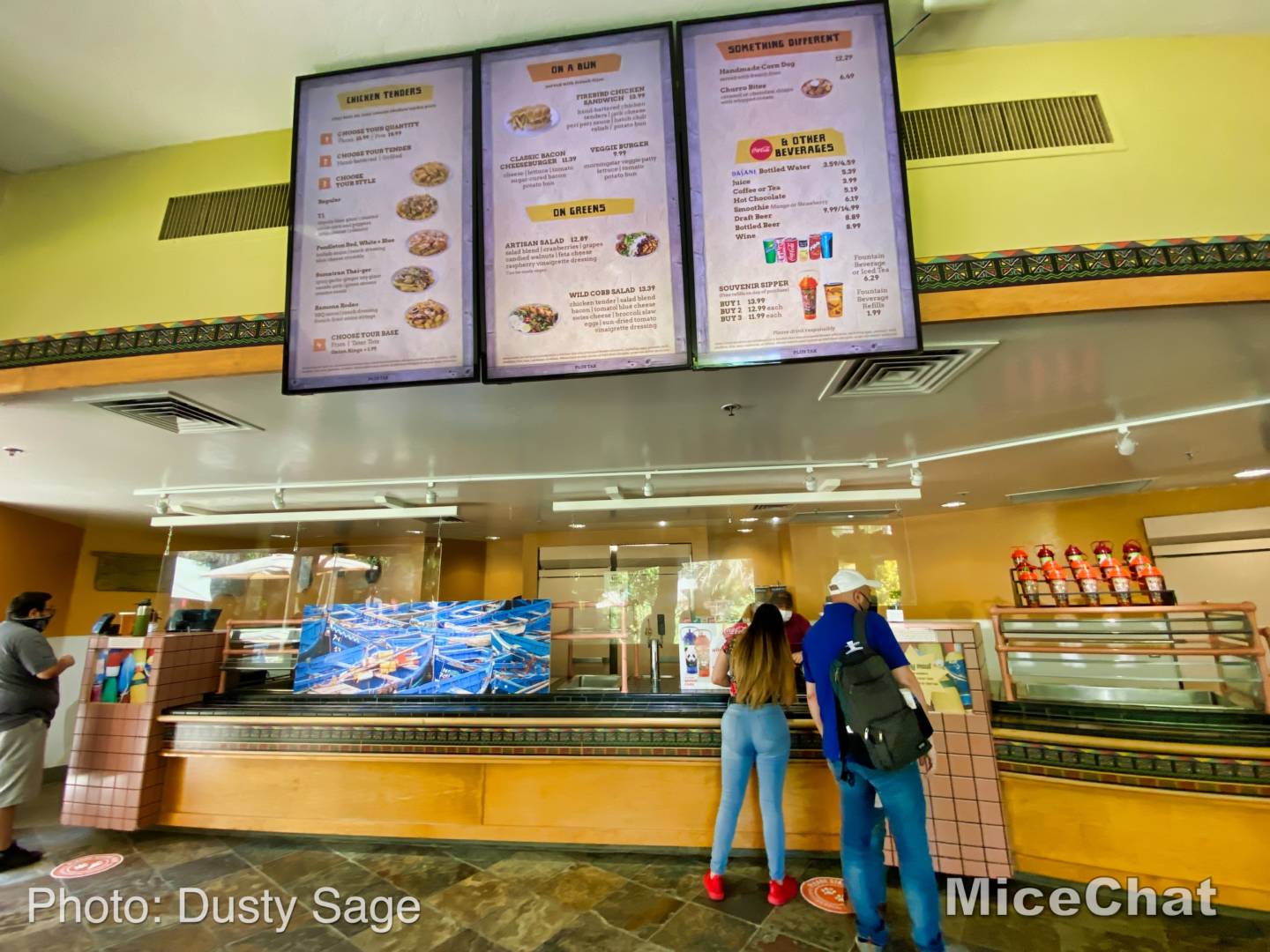
Ordering at the restaurants was a bit convoluted as well. Line up outside. Only a couple of parties at a time are allowed inside to order. Then they give you a pager and ask you to exit. When the pager buzzes, you enter through another door to pick up your order. There are SO many ways this could be simplified without the use of a pager.
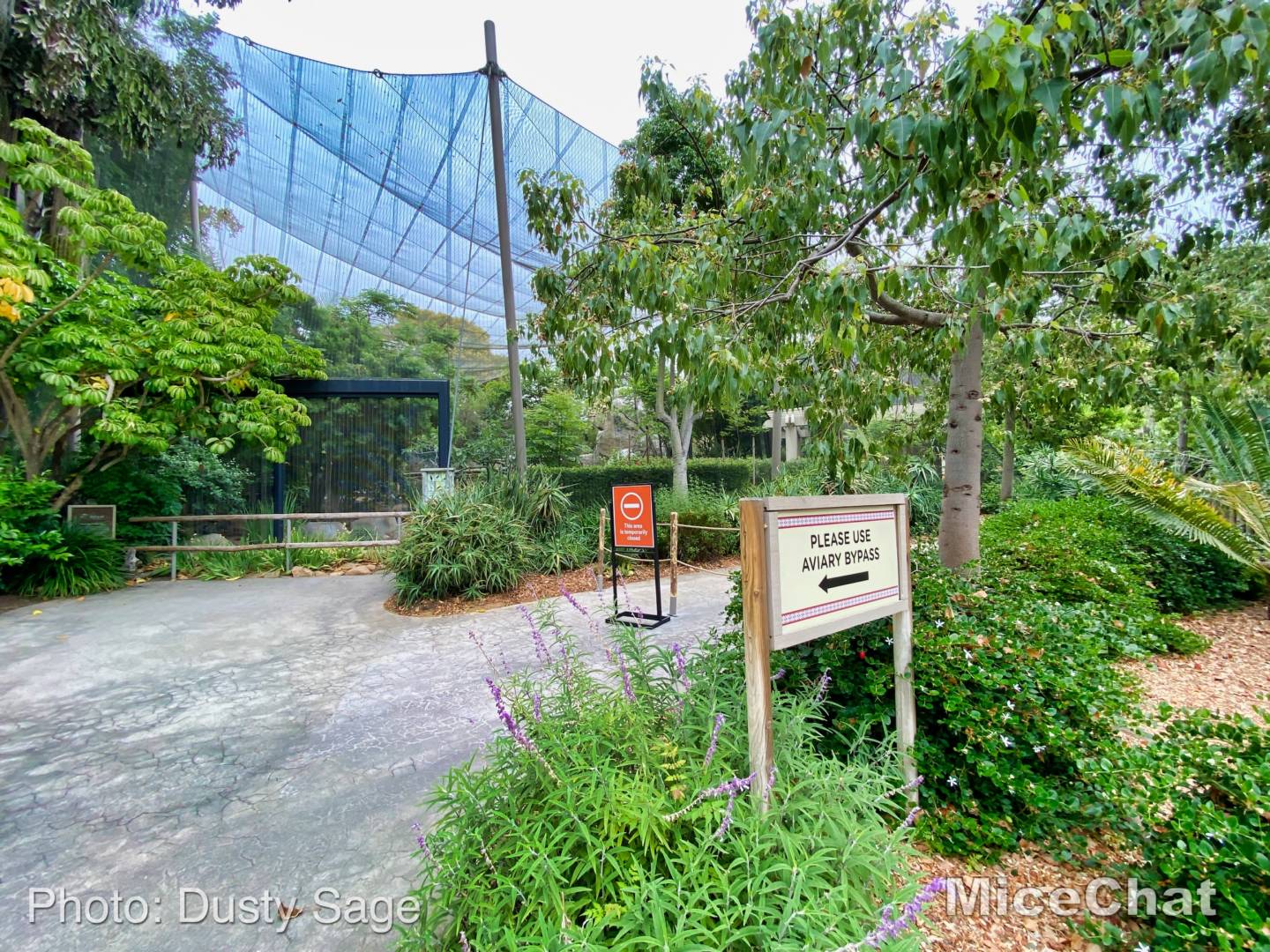
All of the park aviaries were closed.
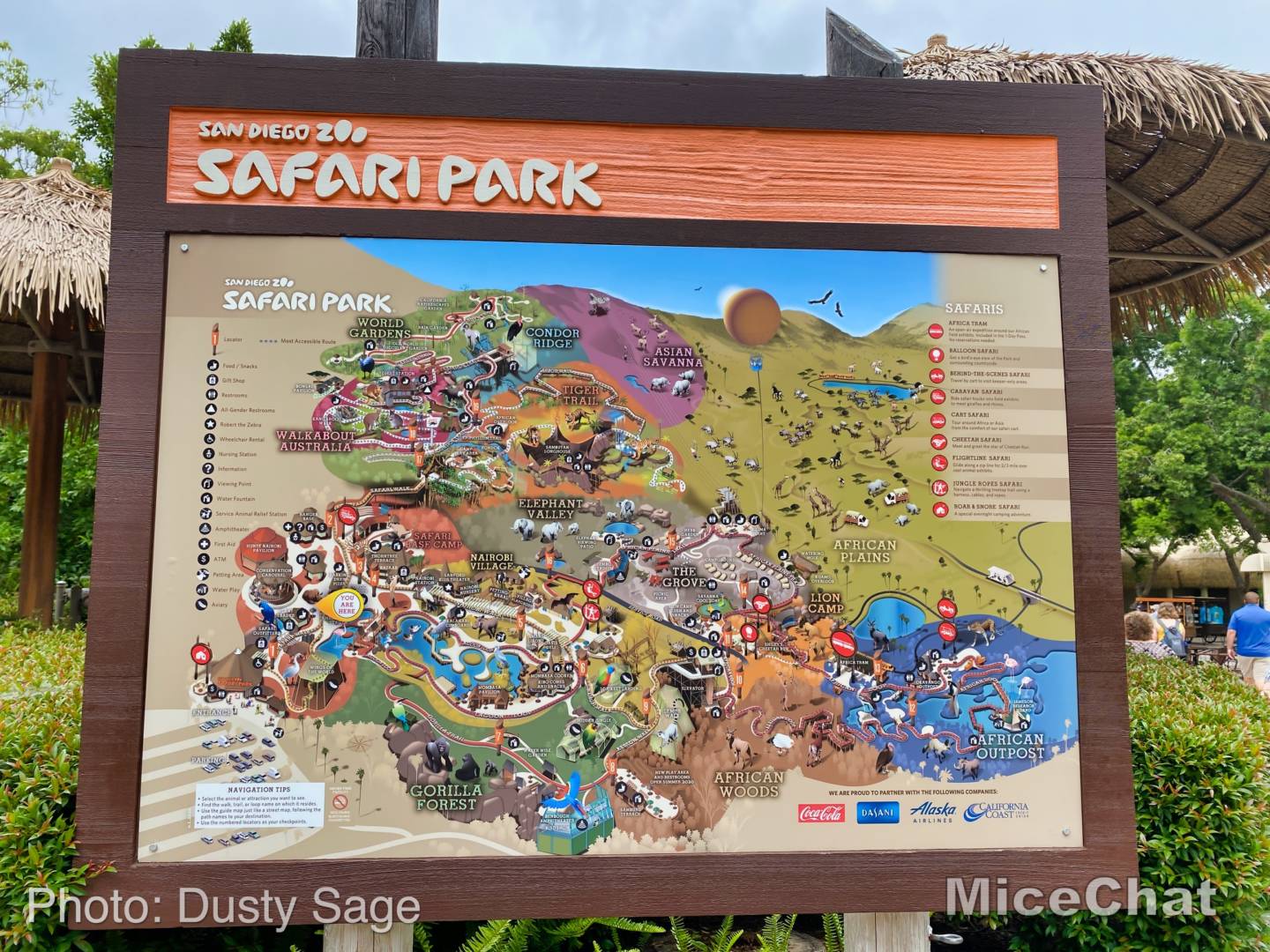
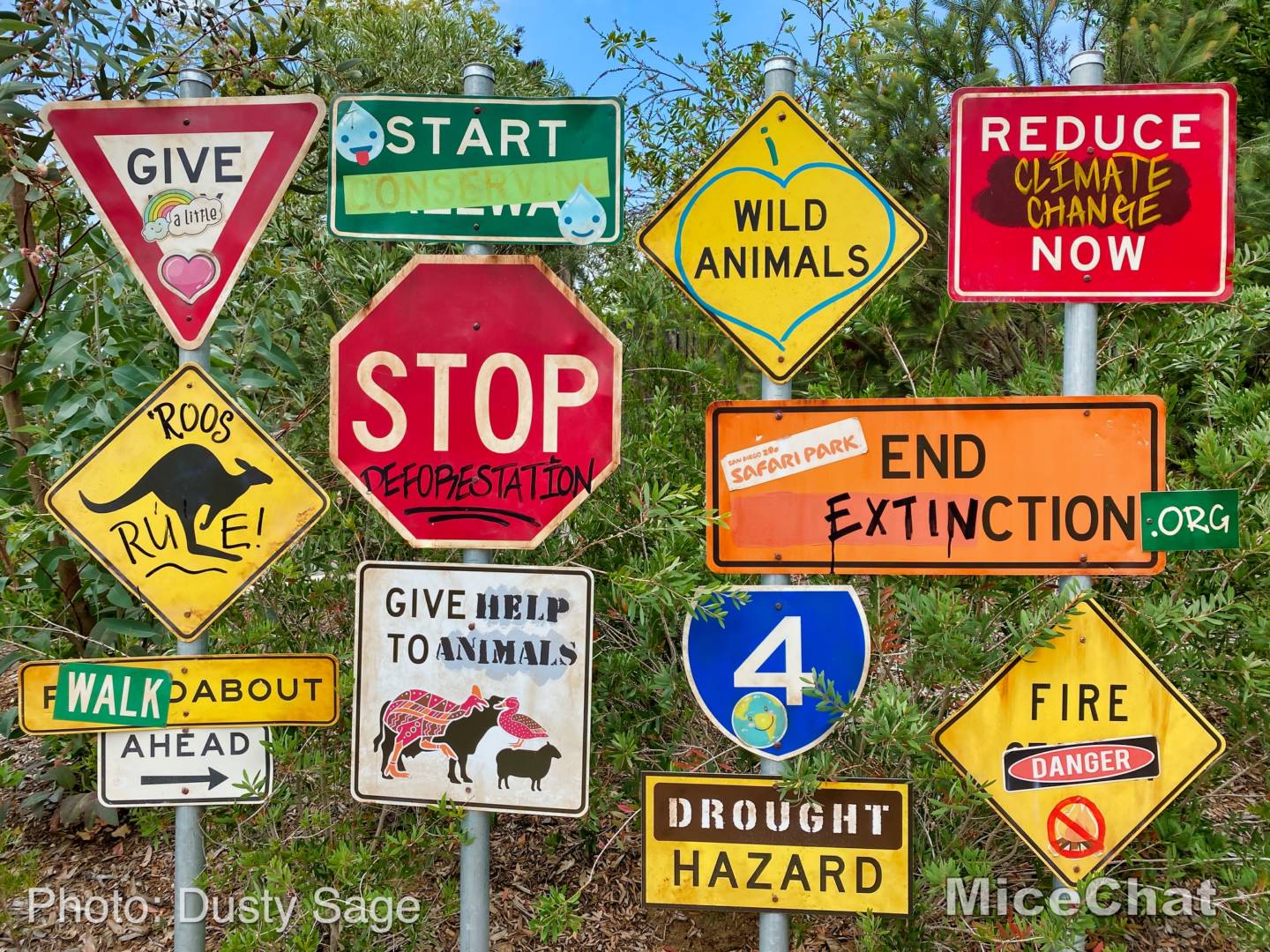
This park is MASSIVE and can be very hard to navigate. Here’s a tip. When you see a signpost, such as the one below, note the number at the top of the post. You can find that number on the park map, which will help you pinpoint your location. If you use the park app, it automatically adds your location to the map.

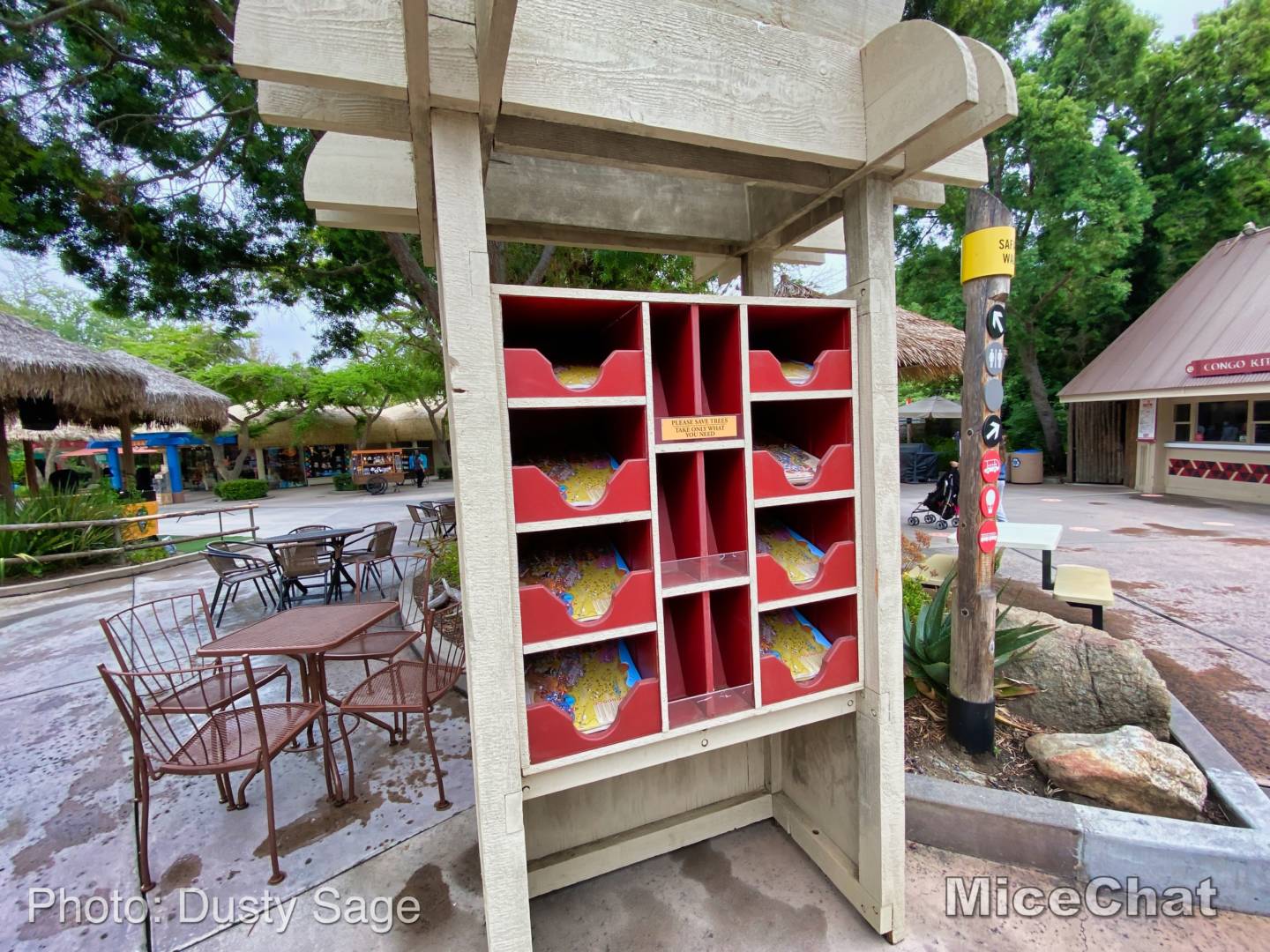
Speaking of maps . . . while many parks are trying to get guests to go digital, they are still printing maps for the Safari Park . . .
And least you think that we didn’t enjoy ourselves, we absolutely did. The Safari Park is one of the most beautiful places you’ll ever visit. 90% of our experience was wonderful. Unfortunately, in these times, safety and distancing are extremely important, and there’s some critical work the zoo needs to do in this regard. We know they are under a huge financial strain at the moment and we will continue to support them and to visit. It doesn’t take much arm-twisting to make the journey to San Diego. But we will avoid certain areas of the park until they get this situation under control.
Speckle Rock Vineyard
We decided to follow up our Zoo visit with a smaller local attraction. There’s a charming winery just down the road from the Safari Park which has great wines and a stunning view. We stopped by Speckle Rock Vineyards for a tasting of their latest releases and to pick up a few bottles of our favorites to take home. Since the weather couldn’t have been more perfect, we took some extra time to wander the property.
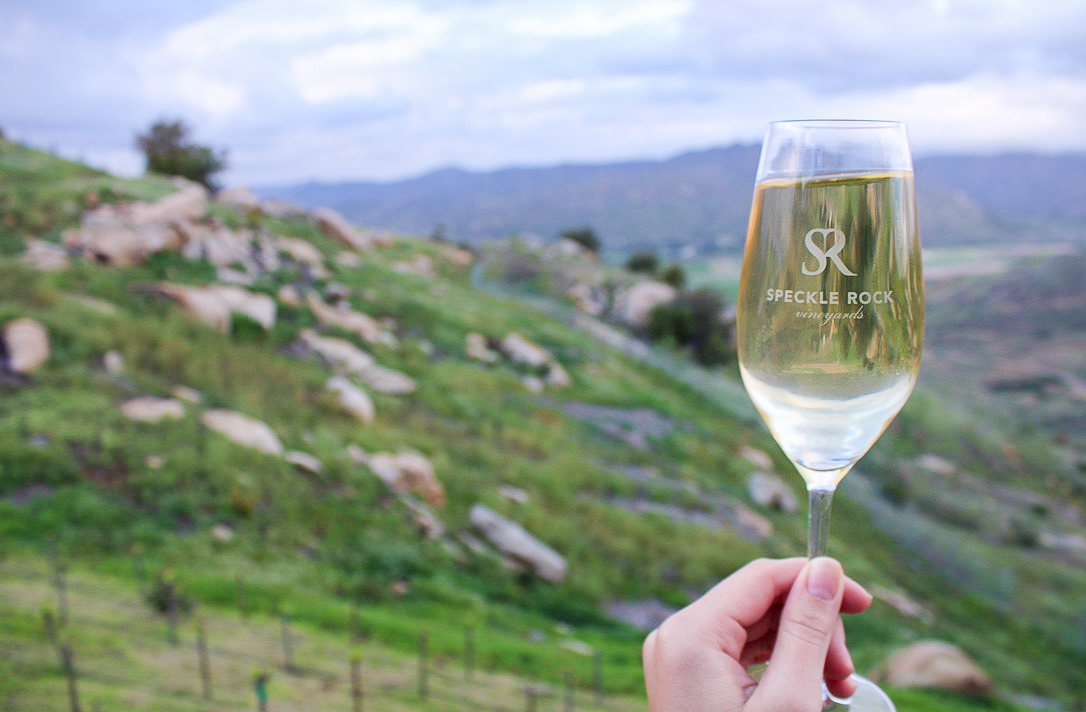
The staff were as friendly as you could hope for, the wines were surprisingly good (who knew that San Diego was a growing wine region) and their tasting room and patio have an incredible view of the Safari Park and the surrounding area.

The vineyard is named after the flecks of gold in the granite found on the property. And if you’re a wine fan and are looking for something unique, I highly recommend the Falangina! It’s an ancient type of grape that is grown mostly in Italy and not common in the United States. It was a real treat.
We’ve visited other vineyards in the area and it’s really fun to try them out. The whole area around the zoo is rapidly becoming a worthy wine region. Let us know your favorites.
Make Future Magic
Theme parks are reopening, and there’s no better time to lock in low rates on future travel. Special comeback rates are now available at some of your favorite theme park hotels.

Our travel partners at Get Away Today are here to help you with your theme park reopening plans and rescheduling concerns. We know you’re as uncertain about the future as we are. That’s why Get Away Today is offering the most flexible Disney travel options available:
Price Protection – If a better special comes out after you have booked, you’ll get the better deal.
Peace of Mind – Make hotel changes, reschedule dates, drop nights, change ticket vouchers and more, as many times as you’d like for a small, one-time fee.
Layaway Plan – Lock in your 2020 or 2021 Disneyland Resort vacation for just $175 down. By booking early, you secure your availability and have the flexibility to pay as you go. Make as many interest-free payments as you’d like, whenever you’d like, with final payment due just seven days prior to travel.
Give your family something to look forward to:
Visit Get Away Today HERE Or fill out a request form and they’ll call you back: Vacation Information Request Form HERE
Let’s Hear From You
With the COVID-19 situation changing rapidly, and the economic impact of being shut down for months pushing many businesses to reopen or perish, we will see more and more things open in the coming weeks. But it’s really on each business to make customers feel safe to return, and it felt to us like the Safari Park didn’t do everything they needed to do across their gigantic park. Some areas handled safety perfectly and others felt ignored. Given the severity of the consequences, we hope they make rapid progress on retraining staff, placing more social distancing signage throughout the park, increasing the availability and visibility of hand sanitizers, enforcing safety procedures among their guests, and improving guest communication. It would be a shame if the park had to close again because they failed to fully implement the necessary procedures. Since the zoo is a non-profit, perhaps some of the other area parks can provide some assistance with signage and training (Disney, Universal, SeaWorld, and Legoland all have facilities now open in Florida and know what works and what doesn’t).
Would we visit again? Yes. We both felt safe away from the major exhibits and guest facilities. So we’d hike the trails, skirt the viewing windows, stay away from the Gorilla path, pack a light lunch, and bring plenty of our own sanitizer. But if the guest count starts to rise, we might change our minds and just stay away for now.
What are your thoughts folks?