


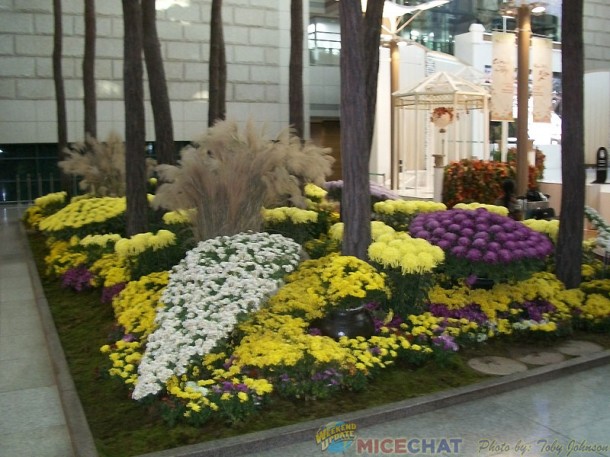
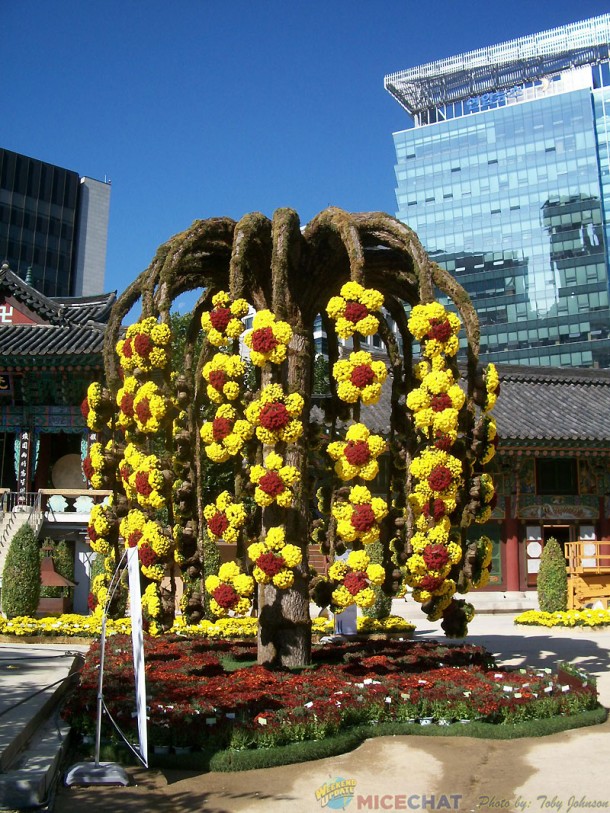
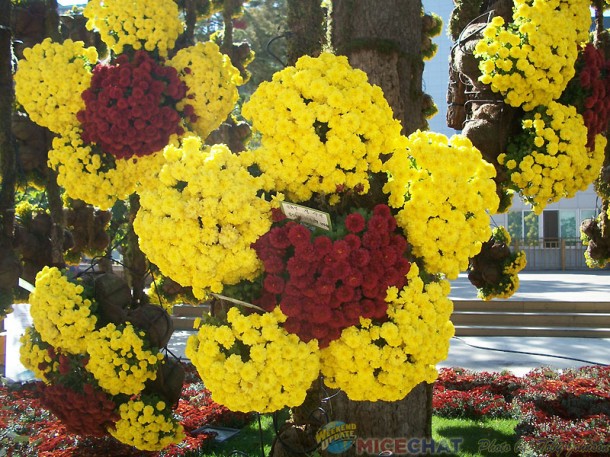
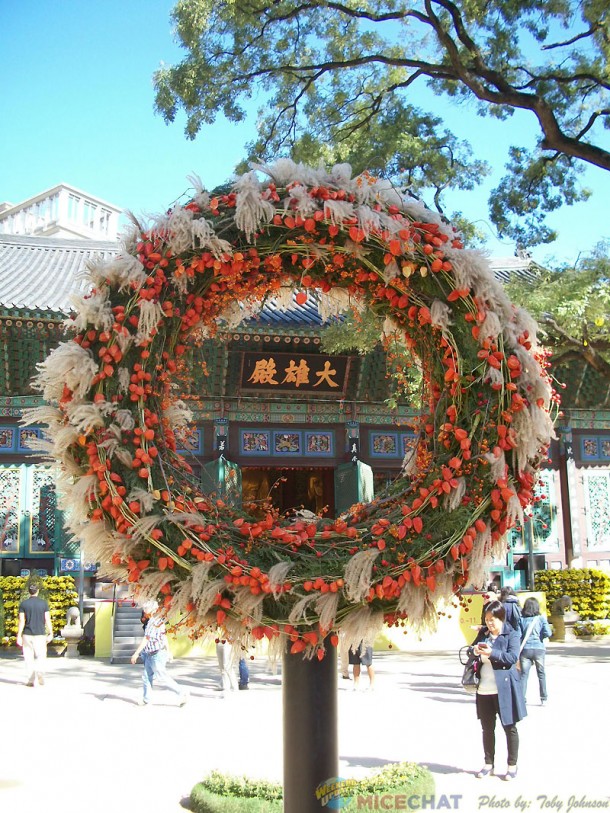
We have a beautiful photo tour of Seoul, South Korea this weekend courtesy of Toby Johnson. Toby covered a lot of ground in the beautiful city while on a layover flying home from Hong Kong. So much ground, in fact, that it’s going to take us a few weekends to present all of his photos! I always thought that the flower baskets at Disneyland were beautiful, but they don’t hold a candle to the beautiful flower sculptures shown in this report. Rick

South Korea: East Asia Paradise
by Toby Johnson
On my way back home from Hong Kong Disneyland, we had a long layover in South Korea. As it was a part of the world that I had never seen before, I intentionally planned to take advantage of this stop and took the later flight when I booked this trip. What especially sparked my interest was the research I had done on the amazing Seoul Incheon Airport and the free tours they offer out of there into the city.
Voted as the “best airport in the world”, I could see why. Even if you don’t leave the airport, there is so much to do, There is an abundance of very cozy recliners, and free massage chairs nestled in the relaxing lounges. The free showers were an especially refreshing treat.
This sparkling clean facility boasts the biggest shower head I have ever seen. Towels and complimentary body wash and shampoo are provided.
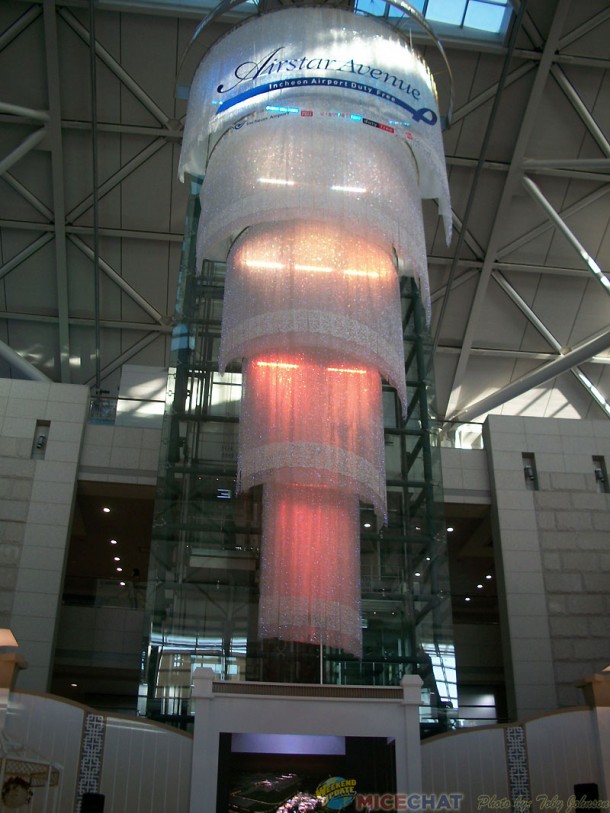
There are lots of shopping and food options aplenty. A museum, gardens, and the live Korean cultural presentations and performances all add to this unique airport experience.
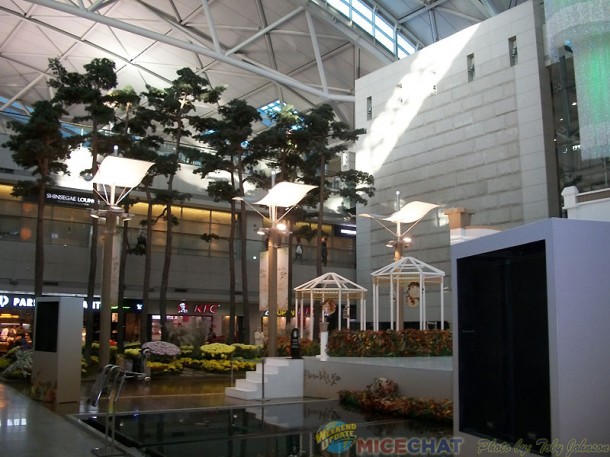
Incheon International Airport is the largest airport in South Korea and one of the largest and busiest airports in the world. For nine years in a row, it was rated the best airport worldwide by Airports Council International. The airport has a golf course, spa, private sleeping rooms, ice skating rink, a casino, indoor gardens and a Museum of Korean Culture. Its duty-free shopping mall has been rated the world’s best for three years in a row in 2013 by Business Traveller. Wikipedia
I took advantage of two tours taken on the free Incheon Airport Transit Tours. Seven tours are offered that range from one hour to five hours, and that take you to Seoul or near to the airport. Each includes a guide and I very much appreciated the unique differences of the two gentleman that we had with us.
The first tour took us into the city of Seoul. Although not one of the “free tours”, the ten dollar charge seemed very reasonable as it included a lunch. It takes close to an hour to reach the city from the airport, but it affords a great chance to take in the views of the beautiful vistas that surround you on the way. It was easy for weary travelers to catch a short nap on the comfy bus as well.
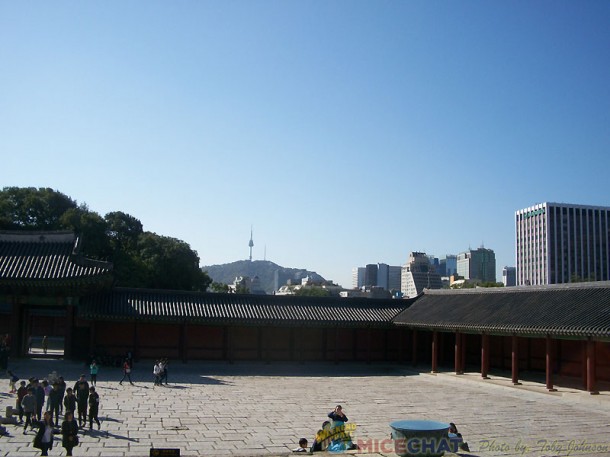
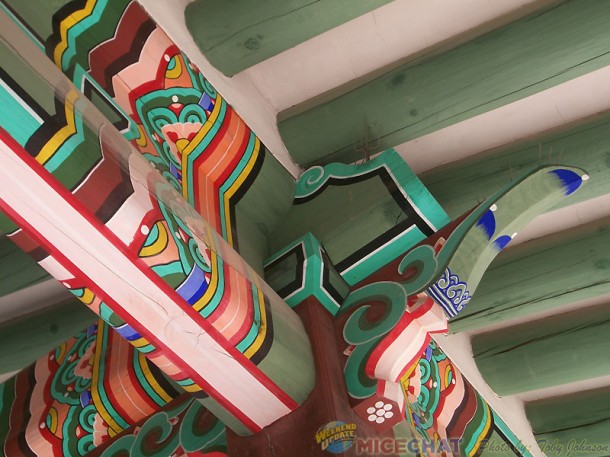
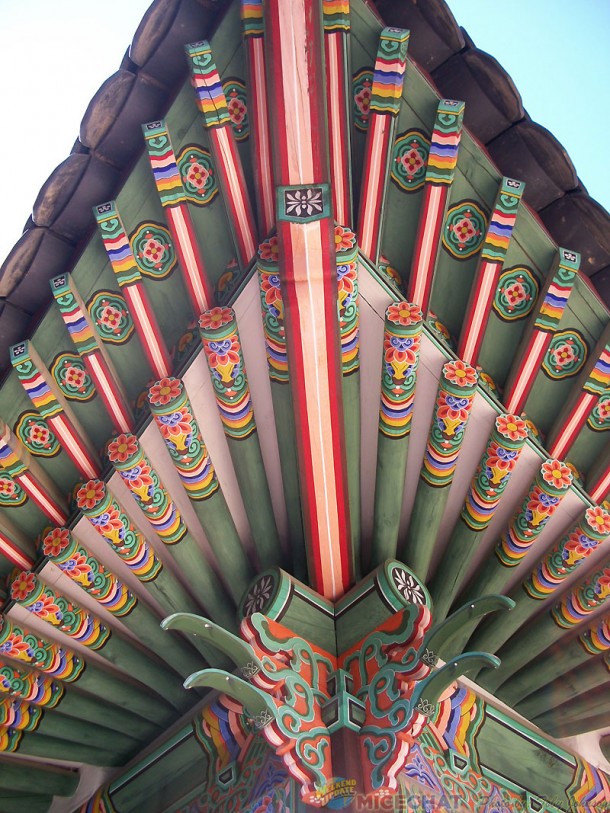
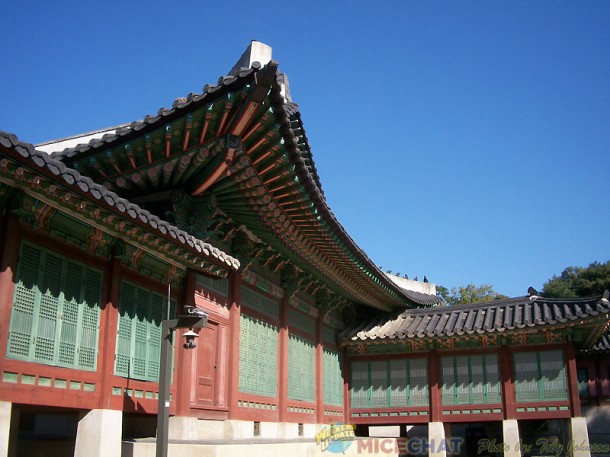
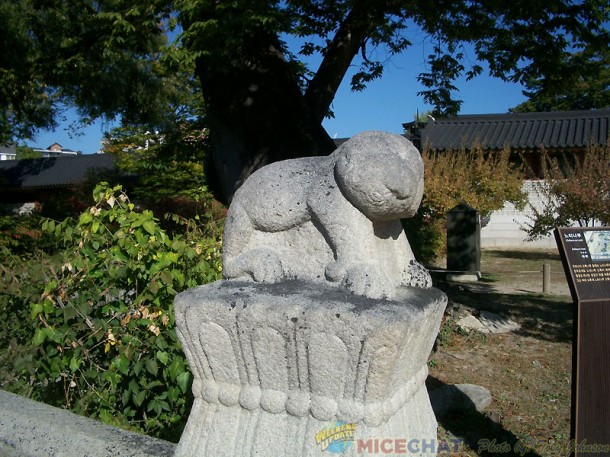
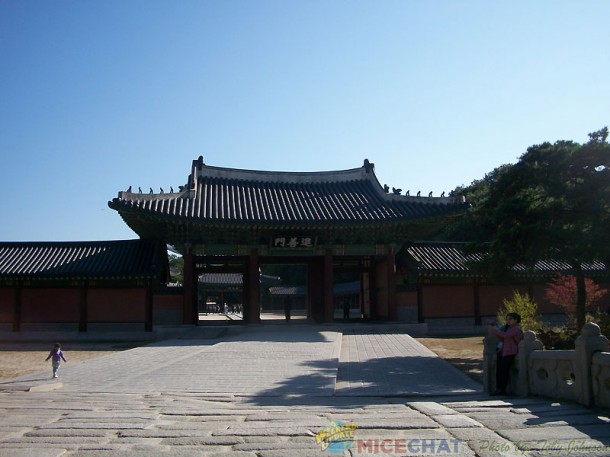
We arrive at the magnificent Changdeokgung Palace.
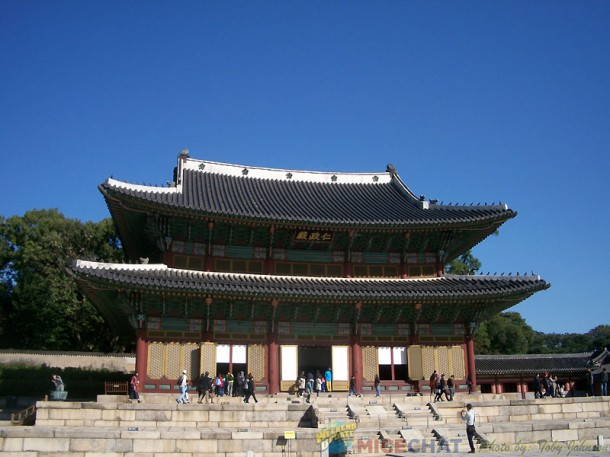
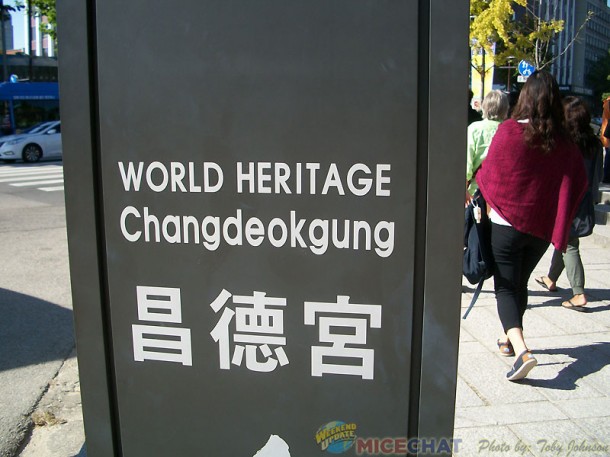
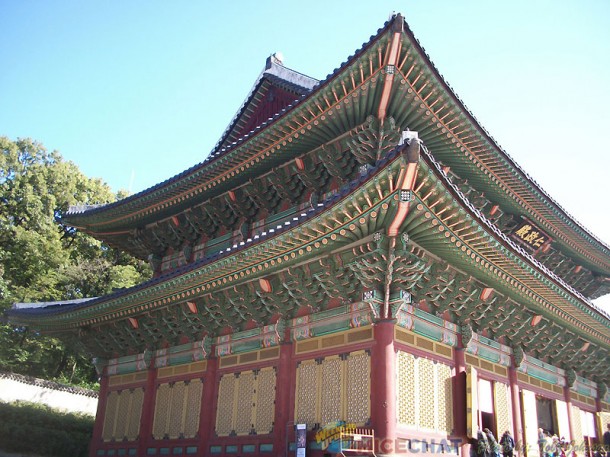
The beautiful sunny October skies belied the much colder temperatures compared to the very hot and humid days we had just experienced in Hong Kong.
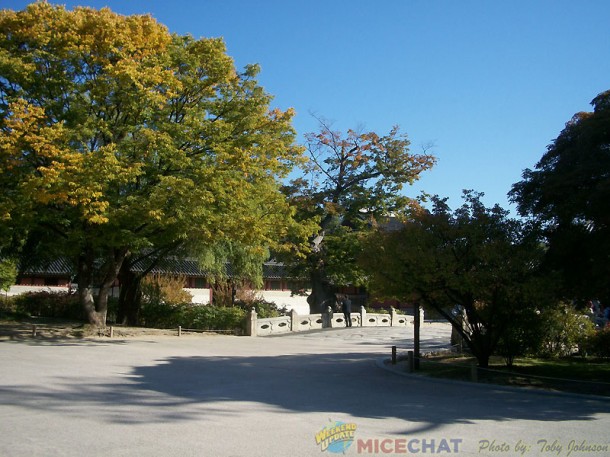
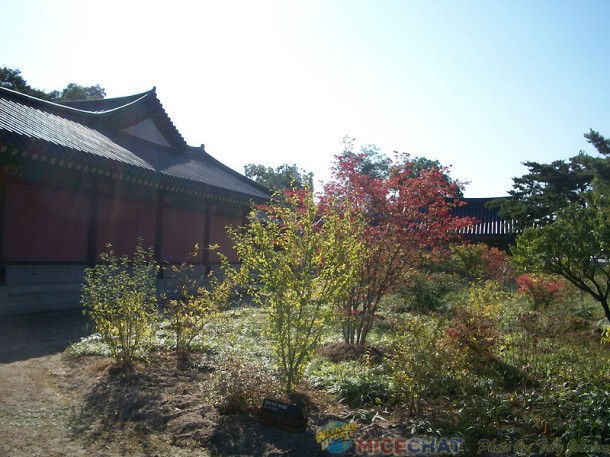
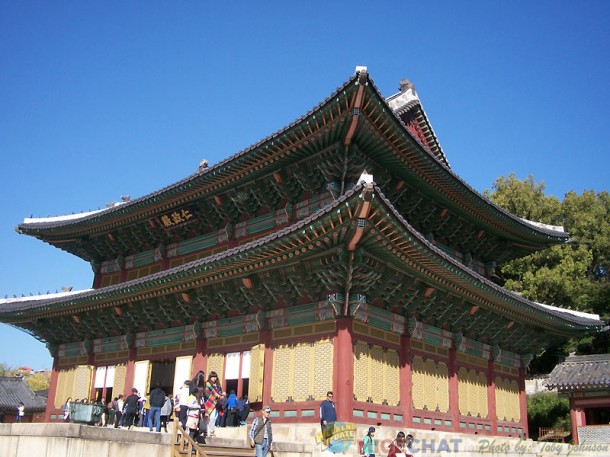
Changdeokgung Palace is one of the “Five Grand Palaces” built by the kings of the Joseon Dynasty (1392–1897). As it is located east of Gyeongbok Palace, Changdeokgung — along with Changgyeonggung — is also referred to as the “East Palace”.
Changdeokgung was the most favored palace of many Joseon princes and retained many elements dating from the Three Kingdoms of Korea period that were not incorporated in the more contemporary Gyeongbokgung. One such element is the fact that the buildings of Changdeokgung blend with the natural topography of the site instead of imposing themselves upon it. It, like the other Five Grand Palaces in Seoul, was heavily damaged during the Japanese occupation of Korea (1910-1945). Currently, only about 30% of the pre-Japanese structures survive. Wikipedia
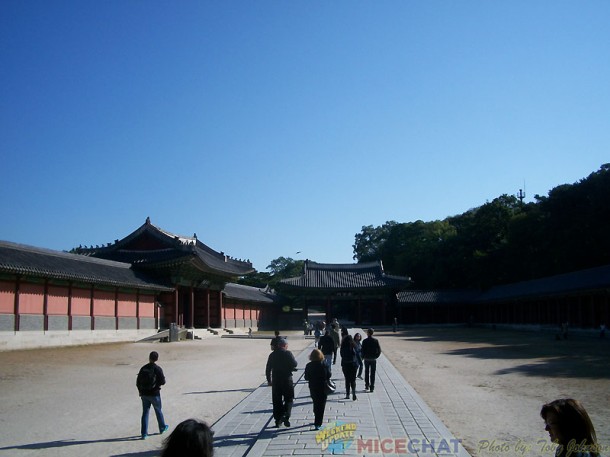

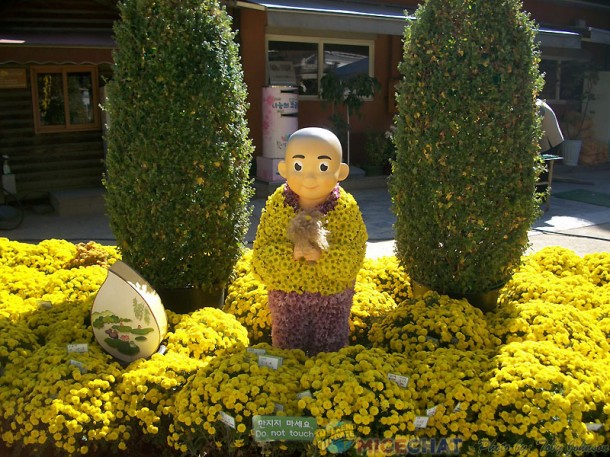
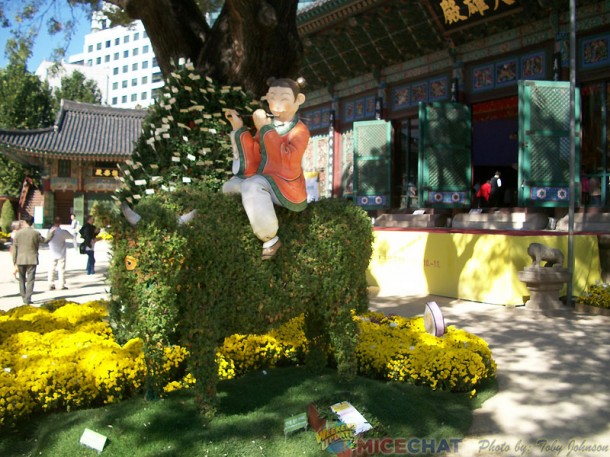
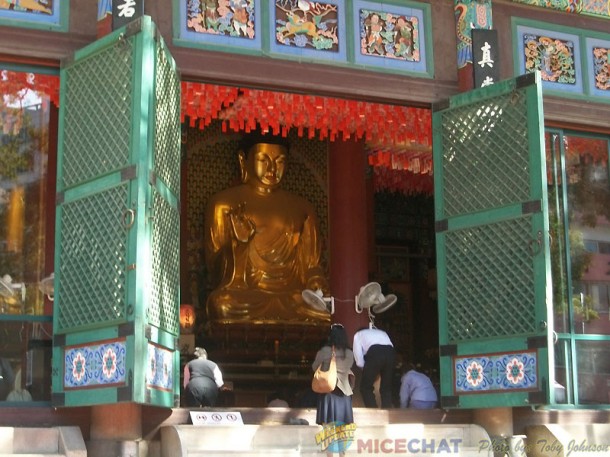
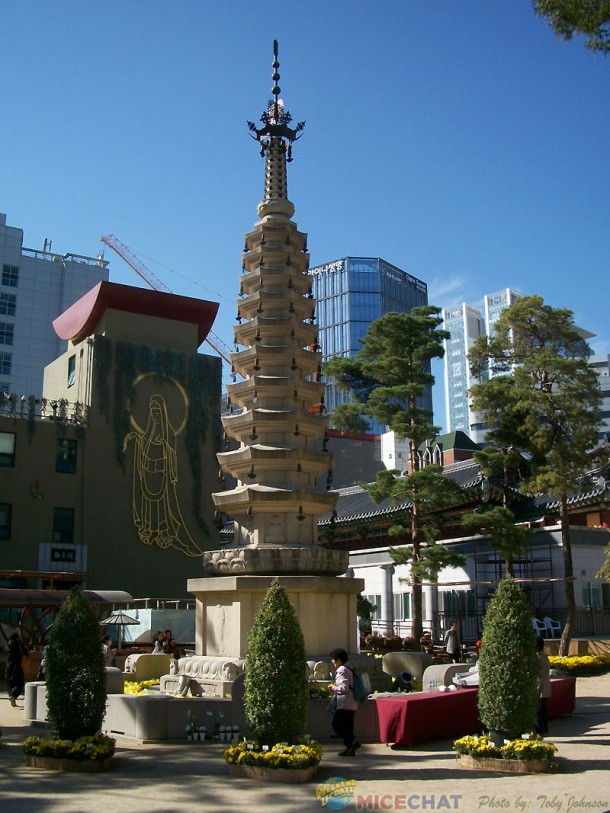
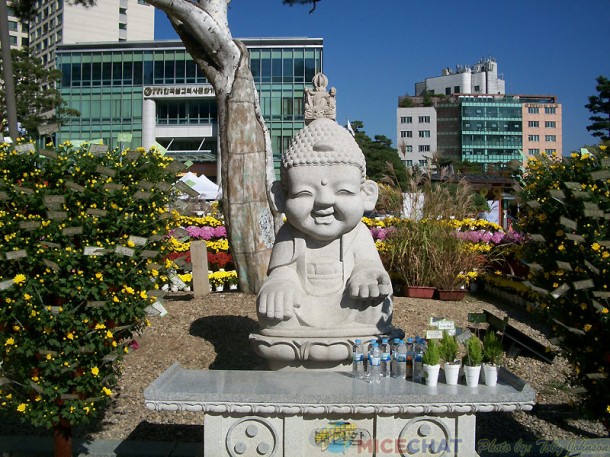
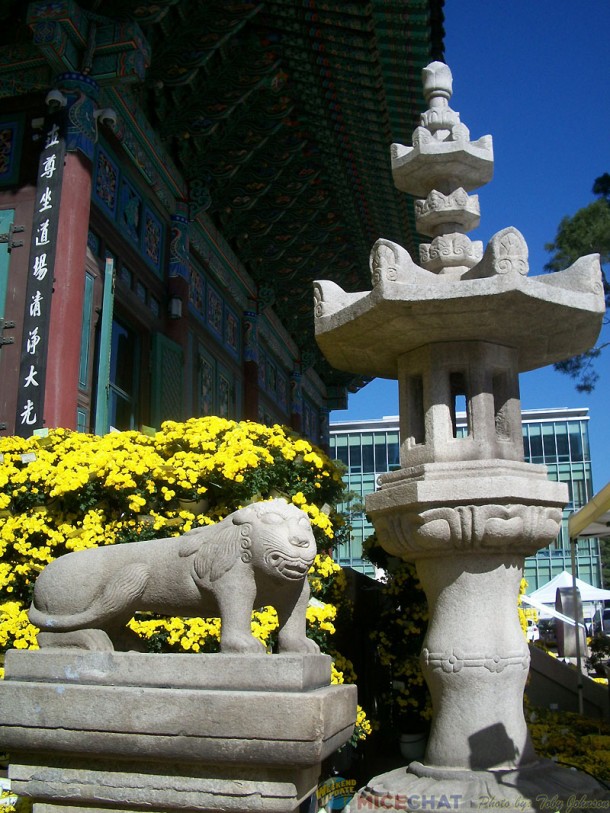
Next stop is Jogyesa Temple.
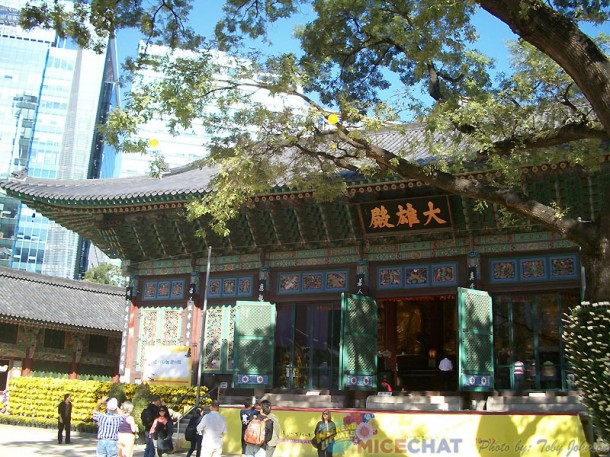
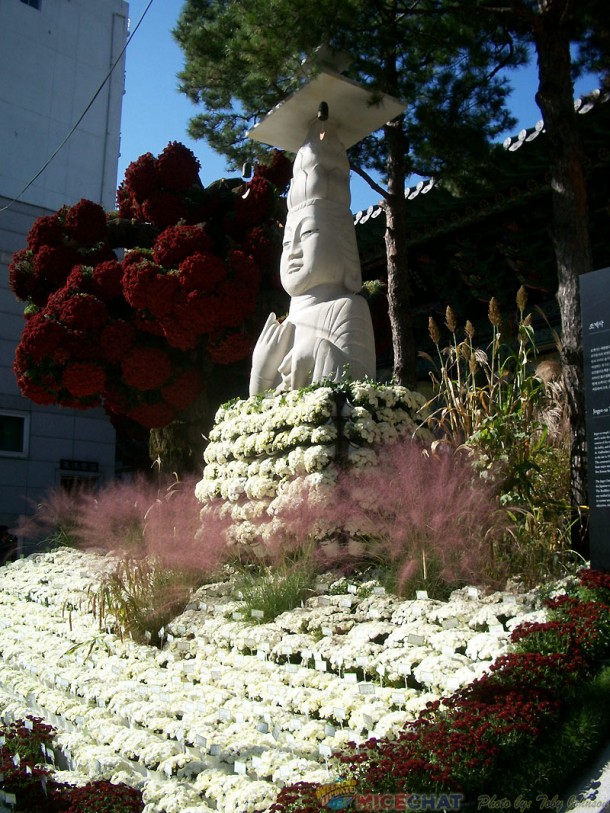

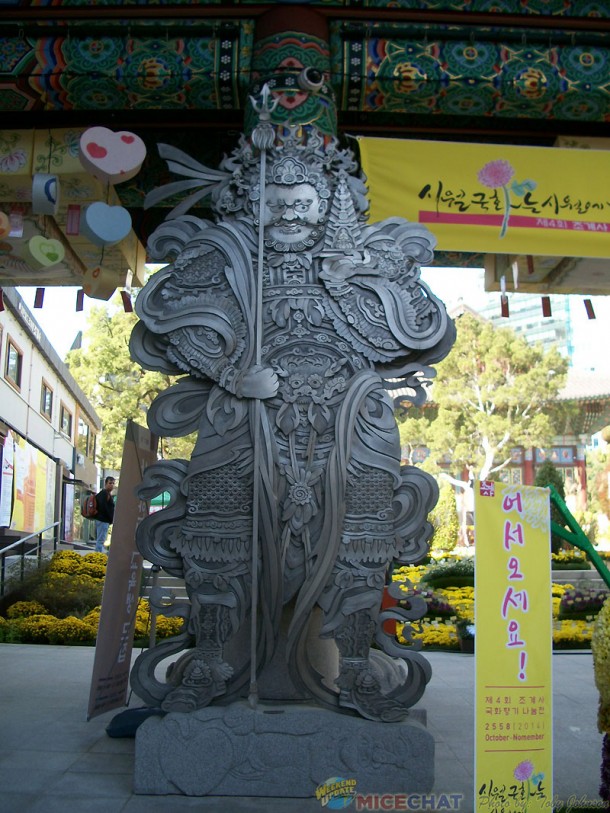
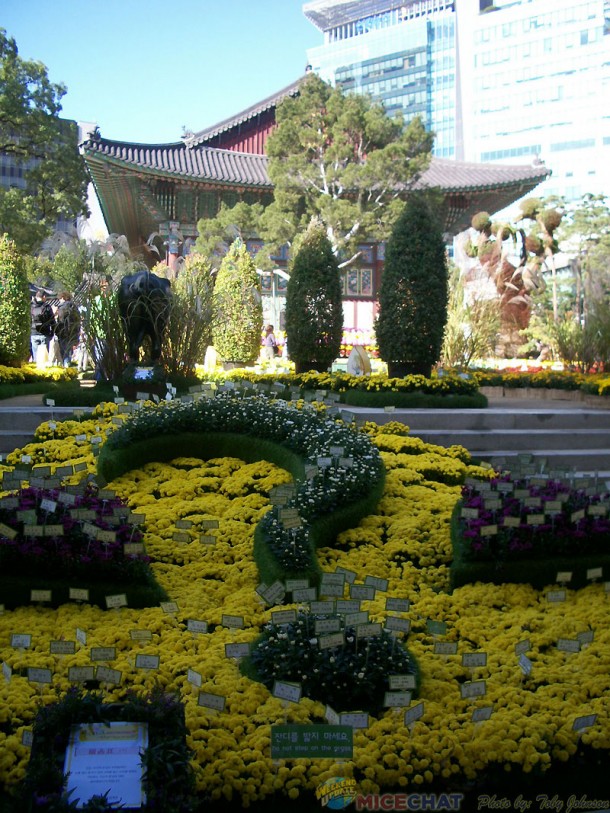
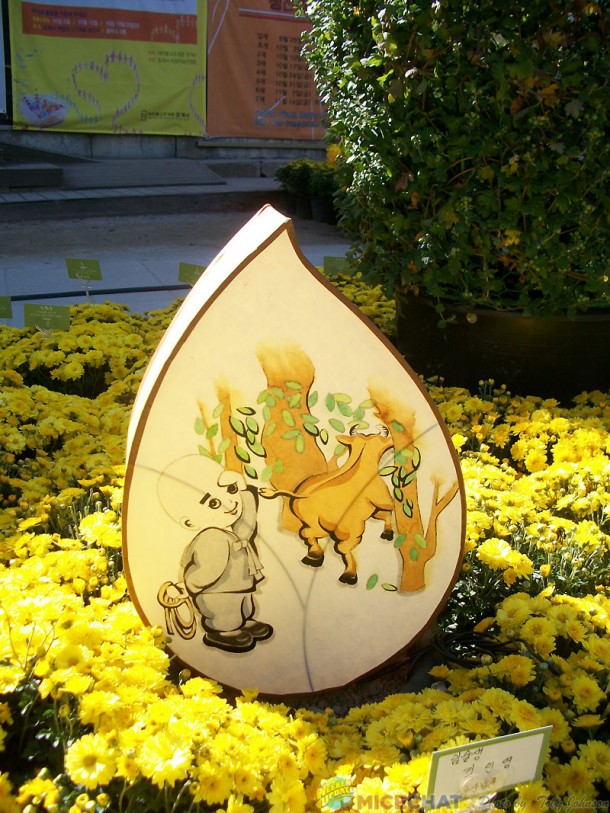
Jogyesa is the chief temple of the Jogye Order of Korean Buddhism, becoming so in 1936. It thus plays a leading role in the current state of Seon Buddhism in South Korea. The temple was first established in 1395, at the dawn of the Joseon Dynasty; the modern temple was founded in 1910 and initially called “Hwanggaksa.” The name was changed to “Taegosa” during the period of Japanese rule, and then to the present name in 1954. Wikipedia
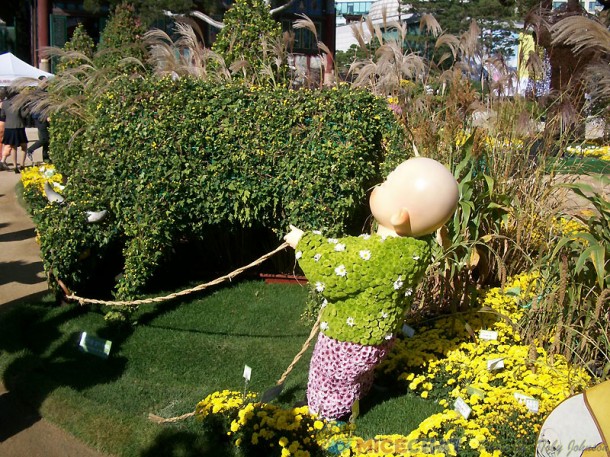
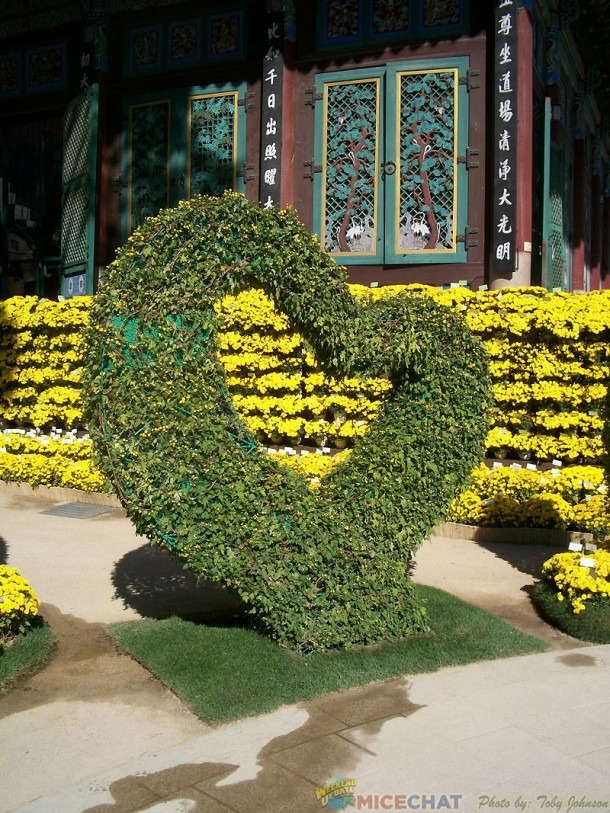
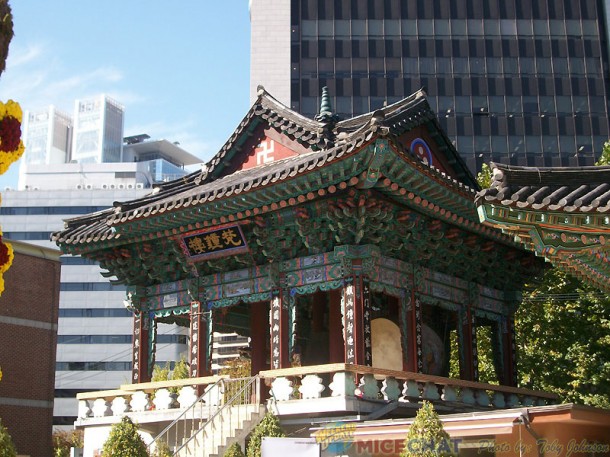
Traditional and modern blend together.
We’ll have more from Toby’s South Korea trip next week!