



Roughly one year after taking the top job at the Disneyland Resort, President Thomas Mazloum invited MiceChat and a small group of media to what was essentially a “state of the resort” session, a candid, background-heavy conversation about where the parks are headed next.
And there was actual news…
The unpopular 11 a.m. restriction on Park Hopper tickets is going away later this year… The reservation system, however, isn’t going anywhere. Monsters, Inc. Mike & Sulley to the Rescue! will remain open into 2027 despite major construction in Disney California Adventure. And perhaps most notably, Disney leadership says they are doubling down on two areas fans have been loudly concerned about: attraction reliability and cast member training.

For readers who know we’ve been highly critical of the resort’s direction in recent years, from ride breakdowns to the loss of major stage productions, this meeting felt like an attempt to address those concerns head-on. The message from Mazloum and his leadership team was clear: simplify the experience, improve operational fundamentals, invest in reliability, and rebuild hospitality culture.
Encouraging? In several ways, yes. But as always, optimism needs to be paired with accountability. Some of what we heard should make fans very happy. Other areas still leave us hoping Disneyland will aim higher.
Ride Reliability: Tackling the Breakdown Problem
Let’s start with the issue that has frustrated guests and filled our inbox for years: ride reliability.
Disney’s leadership team knows the perception is out there. Attractions go down. Guests crisscross the park chasing Lightning Lanes only to find a closure sign. Carefully planned days unravel. It’s not just an inconvenience—it directly affects whether families feel they got value for their ticket.
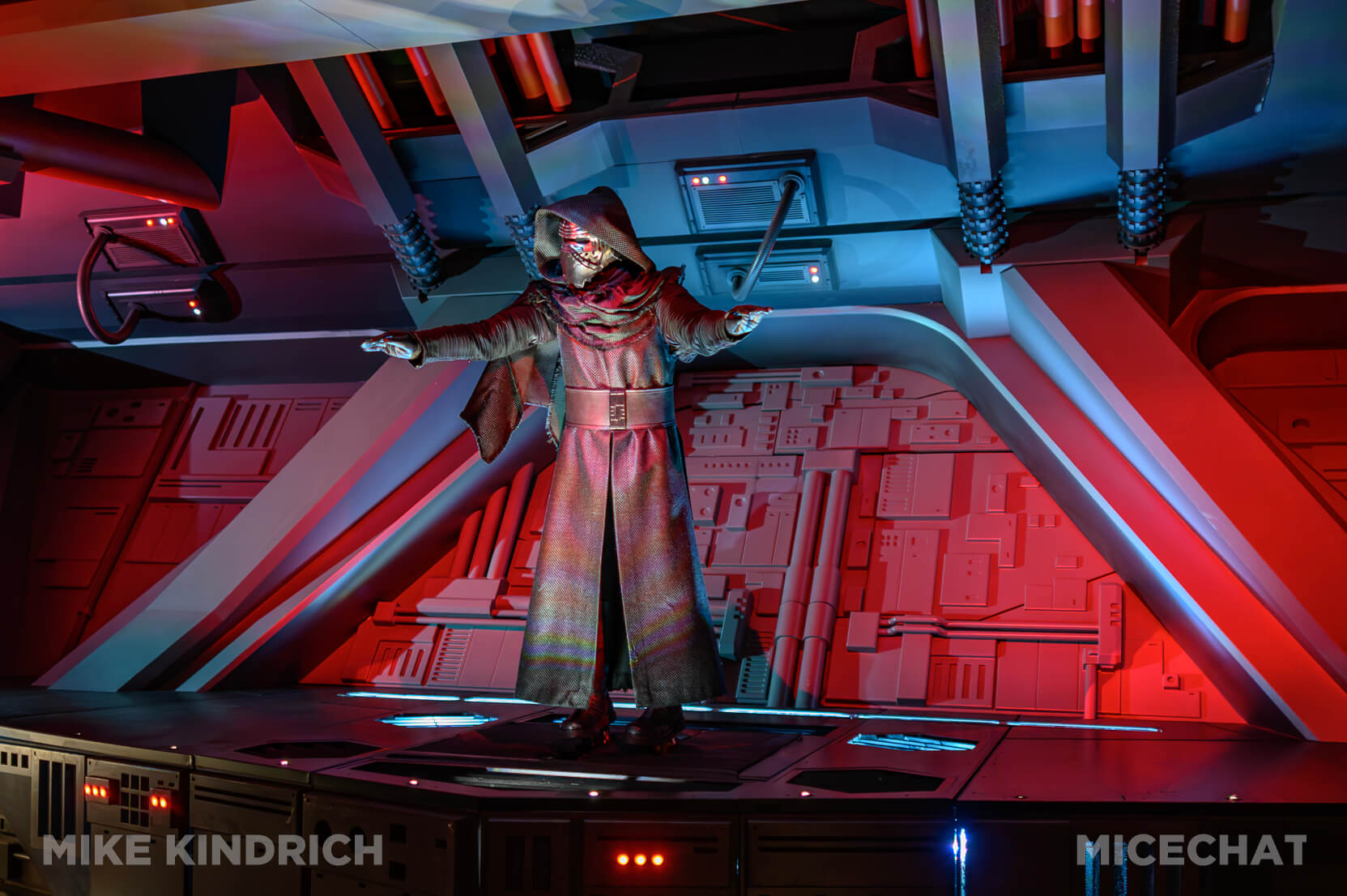
So the headline claim from Disney’s engineering team was this: fiscal year 2025 saw measurable improvements in uptime, resulting in an estimated 1.5 million additional guest ride experiences compared to the previous year.
That’s a meaningful improvement in ride availability.
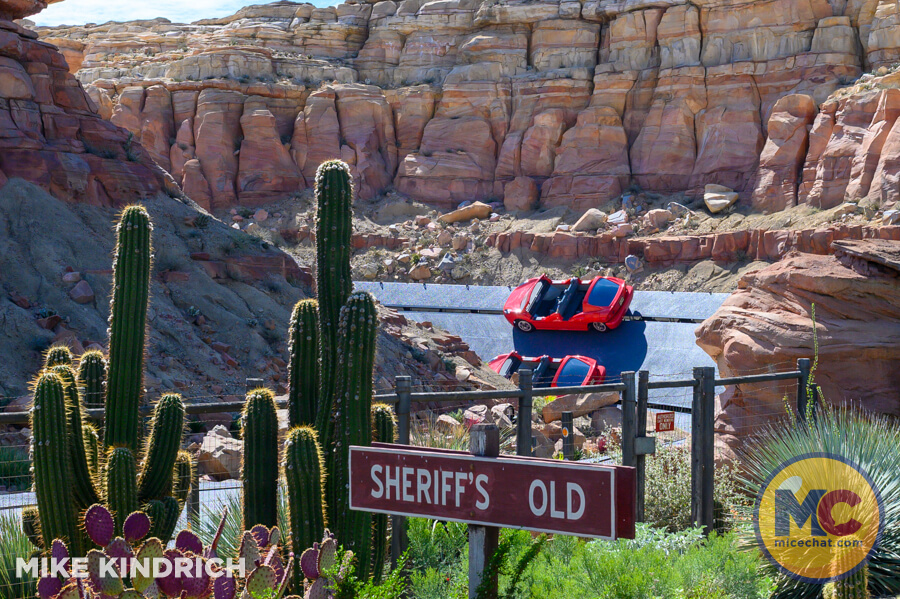
Behind the scenes, they say several changes are driving those gains. Maintenance windows have quietly expanded, giving overnight crews more time to perform preventative work. Parts management systems were overhauled (Radiator Springs Racers was cited as a prime example), separating long-cycle overhaul components from day-to-day reliability parts to ensure critical inventory is on hand. Refurbishments are being treated as targeted opportunities to fix specific issues that create frequent breakdowns.
Even holiday overlays were scrutinized. By restructuring installation processes for Haunted Mansion Holiday and “it’s a small world” Holiday, the team clawed back nine additional operating days this past season. That translated into roughly 200,000 additional ride experiences that otherwise would have been lost to refurbishment time.
The takeaway? The focus has shifted from simply reopening attractions after breakdowns to preventing those breakdowns in the first place, and increasing hourly throughput while they’re at it.

Will guests feel the improvements? That’s the real test.
Disney argues that slight increases in guests reporting they “were able to do everything they wanted to do” are already showing up in satisfaction metrics.
Of course, not every downtime is mechanical. Leadership noted that roughly 13% of unplanned closures are due to guest behavior. Dropped items, safety violations, and weather interruptions also cause rides to shut down unexpectedly. But even that acknowledgment felt like part of a broader effort to be transparent about what they can control and what they can’t.
We are incredibly hopeful about what we heard regarding efforts to improve the reliability of Disneyland’s attractions, some of which are now more than 70 years old.
Hospitality Reset: Back to the Disney Basics
If reliability is the mechanical backbone of the resort, hospitality is its heartbeat.
Disney leadership acknowledged something that many longtime visitors have noticed. Roughly 60 percent of current cast members were hired in the surge following the April 2021 reopening of the parks. During that frantic time, training was condensed and simplified as the resort rushed to ramp up its operations. “Traditions,” Disney’s foundational onboarding experience, had to be delivered in a shortened and partially virtual format. The emphasis at the time was on safety protocols and operational readiness. Hospitality culture was harder to instill in that environment and was overshadowed by the immediate need.

That reset is now underway.
All cast members still begin with Traditions training on day one. Operations cast members then attend a second training program called Step Into the Magic. Over the past year, that second phase has been expanded from one day to two full days, with greater emphasis on role modeling, service expectations, and empowering cast members to shape the guest experience.
Leadership is starting by retraining leads and managers first, with frontline reinforcement happening through ongoing development and daily expectations. The goal is consistency. Not just knowing the rules, but understanding how to solve issues for guests in the moment.

They also shared some notable metrics. In 2024, more than 500,000 mobile cast compliments were submitted by guests through the resort’s app-based recognition tool. Turnover currently sits around 15 percent, significantly lower than broader tourism industry averages. And in internal surveys, roughly three-quarters of cast members say they intend to stay with the company for five years or more.
Those numbers suggest stability. But that’s only good if the cast members who are staying are the ones who make guest experiences better. The cast member who anticipates a need before being asked. The operator who communicates clearly during a delay. The team member who actually knows what a new menu item tastes like… because they were trained on it.

Disney described this effort as a return to fundamentals. Clear standards. Visible leadership. Recognition of good work. Small improvements they hope will be compounded over time.
For a resort built on emotional connection, that recalibration may prove just as important as any engineering investment. Culture is not rebuilt overnight. But if this renewed focus sticks, guests will start to feel the difference.
Park Hopping Returns… Reservations Stay
One of the more immediate pieces of news shared during the session was a change many fans have been asking for.
The 11 a.m. park-hopping restriction is being removed later this year. Guests with Park Hopper admission will once again be able to move between parks at their leisure, restoring some of the spontaneity that longtime visitors remember.
The overall reservation system, however, is not going anywhere.
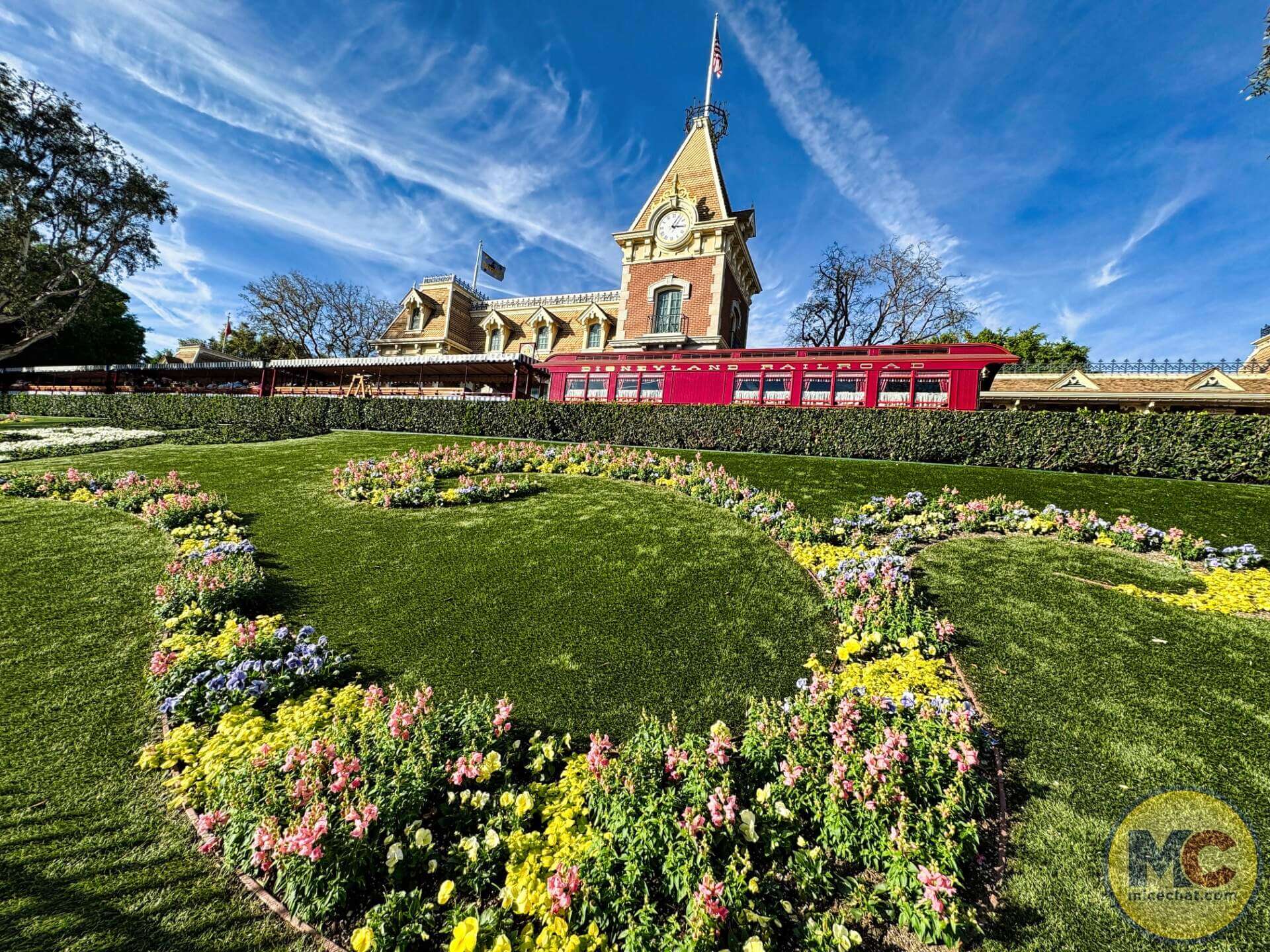
Leadership was candid that reservations help smooth attendance patterns, particularly between weekdays and weekends. Before the March 2020 closure of the parks, weekends were generally much busier than weekdays, creating staffing and crowding challenges that were difficult to manage. Reservations, they argue, allow the resort not only to level out crowd patterns but also to better plan labor, maintenance windows, and overall capacity.
In other words, from their perspective, reservations are a stability tool.
That does not mean they are universally loved. Reservations add friction for guests. They require planning. They remove some of the old spontaneity that defined Disneyland for generations. But the current leadership team appears firm in its belief that the operational benefits outweigh the guest inconvenience.
Where they do seem willing to budge is in reducing unnecessary complexity layered on top of that system. The Park Hopper adjustment is one example of restoring simplicity. We are waiting to see how the resort might address other complex elements of a current Disneyland visit that frustrate guests without delivering meaningful benefits.
The Cost Question
Let’s address the issue that hangs over every Disney parks conversation right now: PRICE.
In a recent interview on In Depth with award-winning journalist Graham Bensinger, former Disney CEO Michael Eisner said he was “not wild about the fact that it is so expensive now to go to Disneyland or Walt Disney World.” When a former leader of the company publicly questions the affordability of the parks, it underscores what many families already feel when they begin pricing out a trip.
Disneyland leadership did not ignore that reality.
They acknowledged that a Disney vacation costs more today than it did years ago and that some families need more time to plan and save for a Disneyland visit. At the same time, they deliberately highlighted their efforts to create more affordable options for guests.
The entry-level $104 ticket (one-day, one-park) has now been held at that price for seven years. Additionally, the popular Southern California resident promotional ticket has been expanded statewide to all California residents. Active duty military tickets are now available year-round and can be purchased online rather than only on base. The $50 kids’ Park Hopper ticket is clearly aimed at encouraging young families to visit, even during peak season. And that ticket is being paired with smaller in-park adjustments. A new $5.99 kids’ meal that includes a mini hot dog, a choice of milk, water, or juice, and a small orange is rolling out as part of the family-focused push.
More than half of Disneyland’s attendance comes from California. Leadership emphasized that fact repeatedly. Expanding regional offers and lowering entry points is not just goodwill. It is a strategic effort to maintain access to the resort’s core audience.
These deals don’t completely transform the high cost of a Disneyland day. But it signals an awareness that pricing is an issue for many, and the resort doesn’t want to alienate its core audience.
Entertainment: Bluey to Debut, but No Headliners
Disneyland was founded on live entertainment.
From the earliest days of the park, Walt understood that attractions alone were not enough. Parades, pageantry, music, theatrical productions, and characters in motion were what made the place feel alive. Disneyland was never meant to be a museum of rides. It was designed to perform.
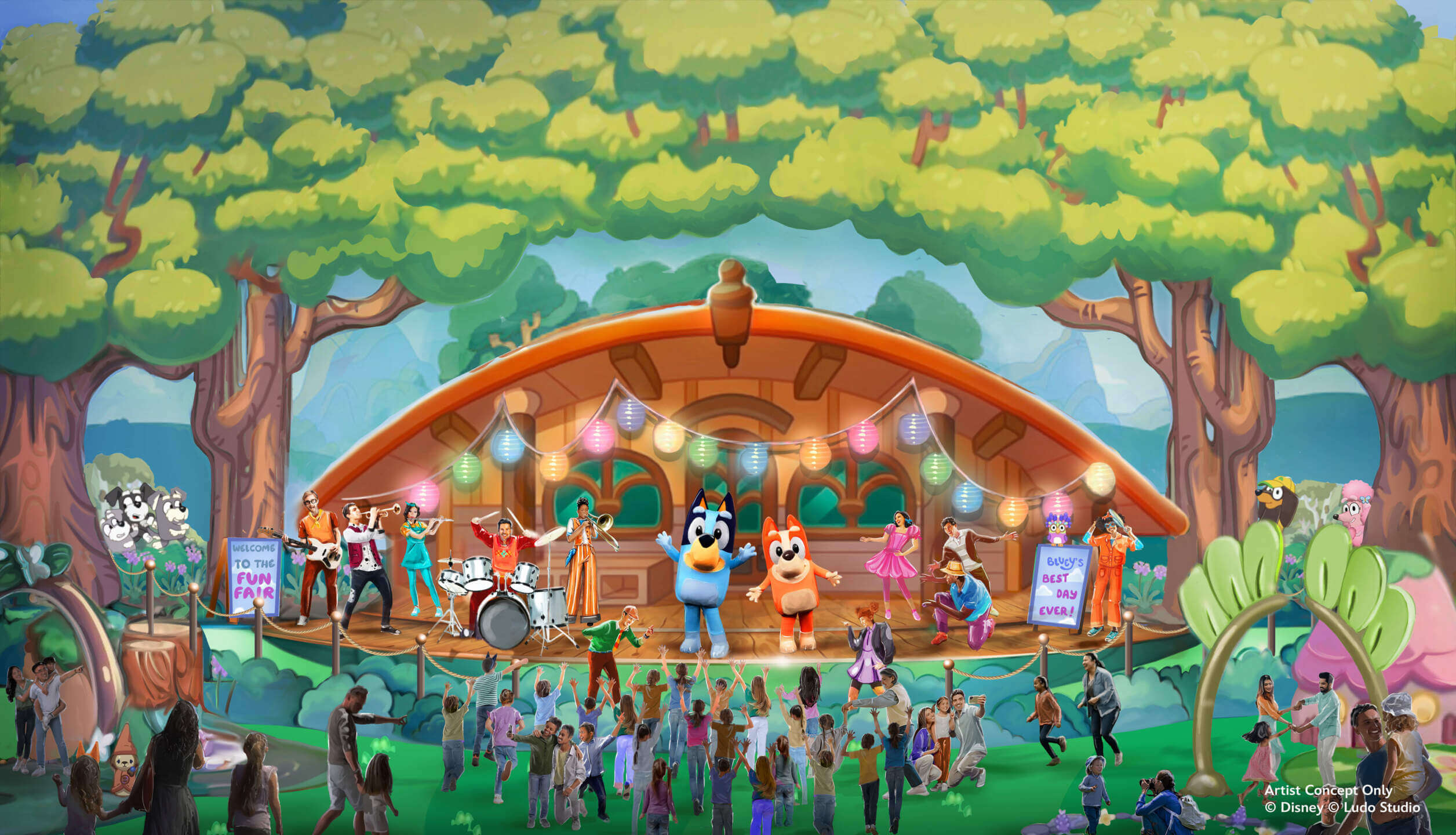
There is genuine excitement around the “Bluey’s Best Day Ever” experience opening March 22 at the reimagined Fantasyland Theatre. This is not a simple meet and greet. It will feature live performers, a live band, immersive play elements, and a participatory structure that invites families to step into the story rather than sit and watch it. For young families, it sounds like a strong addition. It checks every box in the current strategy: attracting new audiences, encouraging repeat visits, and maximizing capacity in a large venue.
Disney Live Entertainment leadership made a thoughtful case for where the industry is heading. Immersive storytelling is on the rise. Guests want to be part of the experience rather than simply observe it. Projection technology allows the resort to activate new spaces and expand viewing capacity. Atmosphere entertainment creates intimate emotional moments that can feel more personal than a distant stage.
All of that makes sense.
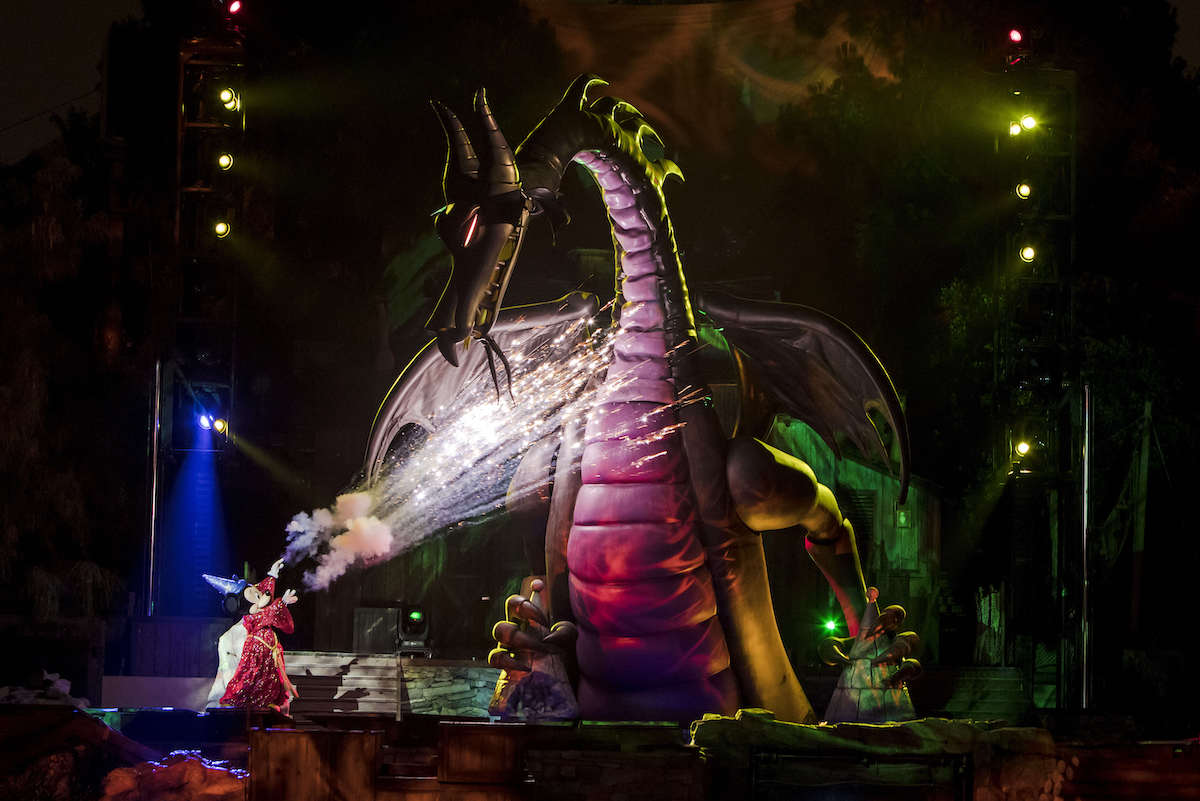
But it is also fair to note that the Hyperion Theatre remains dark. The Fantasyland Theatre has shifted away from long-running theatrical productions. Avengers Campus lost its stunt shows. And while projection-based offerings can be impressive, they are not a direct replacement for a full-scale stage production.

A headline theatrical show would do much more than just entertain. It would also help absorb crowds in a resort gearing up for years of major construction and lost attraction capacity. It provides a weather-proof anchor. It signals artistic ambition. And it reinforces Disneyland’s identity as a performance-driven park, not just a collection of rides.
Bluey is a smart move. But we aren’t going to stop pointing out that big stage entertainment is sorely missing and a core element of the classic Disney parks experience.
Let’s Hear From You
One year into Thomas Mazloum’s leadership, there are clear signs of a positive course correction.
Ride reliability is receiving real investment. Cast training is being revived. Park hopping is becoming more flexible again. Value initiatives are being emphasized. And there is a stated commitment to simplifying the guest experience while maintaining operational stability.
That is encouraging.

At the same time, Disneyland’s identity has always been more than operational efficiency. It is about emotional connection, rich storytelling, and productions on a scale that only Disney can offer.
So what do you think?
Are these operational improvements enough to win back confidence? Do the reliability and training efforts move the needle for you? And is smaller-scale immersive entertainment the right direction, or should Disneyland bring back large-scale stage productions?
We want to hear from you.
