



As Disneyland admissions become increasingly digital, the ways hoodlums sneak into the park—or scam others looking for a deal—have gone high-tech too.

In the 1950s, kids would try to find an unpatrolled section of the back fence they could climb over. By the 1970s, when I was a kid, I heard of folks who’d rub their re-admission hand stamp onto a buddy’s hand. (Disney wised up by using ink that was viewable only under black light and by using hand stamps that would look reversed when transferred.)
Later, shady entrepreneurs would buy new and partially-used multi-day tickets and then resell the individual days to different tourists. (Instead of paying $80 for a one-day ticket, the guest would give $60 or $70 to a broker to “rent” a day off a five-day pass that the broker paid about $200 for. The renter would only be charged for one day if they returned the unused portion of the ticket to the broker’s mailbox by midnight.)
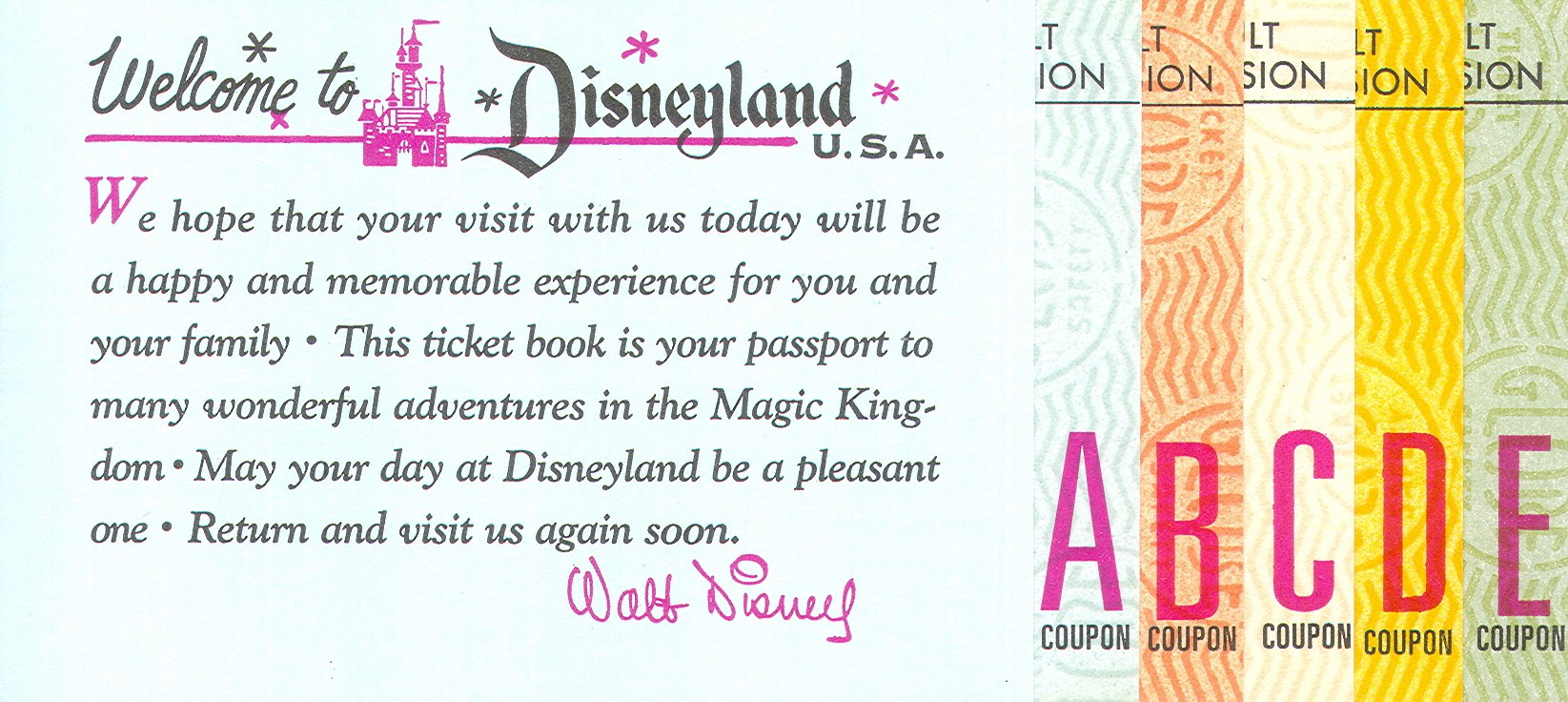
That practice usually worked, if the pass was acquired from a “legitimate” broker. (I say “legitimate” because the practice wasn’t technically illegal but did violate Disney’s terms of service.) Disneyland referred to the scam as “rent-a-ticket,” and finally snuffed it out in 2013 by having the first person to use a pass photographed and then making sure return visitors showed up with the same face.
But nowadays, there are no hand stamps and fewer hard tickets. The “ticket” is a long string of numbers that’s entered into the Disneyland app… except just entering a number won’t tell you if it’s still valid or not. Over the last few years, that’s resulted in a continuing flood of discount-seekers who purchased what seemed like valid admission via Facebook or Facebook Marketplace, then arrived at the Main Gate only to be turned away because the “ticket” had already been used by someone else.

Often, the victims of such scams are foreign tourists (for the perpetrator, this creates as much distance as possible between them and the buyer). As one cast member noted, “The people who are usually targeted and take the bait on this are typically out of the country. Having paid for airfare and hotel and whatever, if they can save a few bucks on ticket admission, they’re gonna jump at it. They set themselves up to be victimized. And since we will not tell you over the phone if you read us the code whether or not if it’s good, it’s really up to you.”
This employee recalled a duped tourist or two who gave the crook not only their credit card number, but also their driver’s license number. “I’m looking at this guest like, did the Stupid Tree fall on him? I’m thinking, ‘I’d be calling your credit card company right about now.’ I said, ‘Sorry, have a nice day. I’ll call APD for you.’ At that point, that’s about all I could do.”

And, as recently as this week, multiple guests were admitted to Disneyland using discounted tickets they purchased on Facebook, only to be confronted by Security once inside. When their ticket was scanned at the front gate, it was flagged as having been purchased using a stolen credit card. Rather than being held outside the gate, the visitors are permitted in—after a brief delay, to allow an officer time to arrive. (Until the victim uses the ticket, they haven’t technically been defrauded.) Once the poor guests are detained and informed the tickets they bought were originally acquired by illegal means, they feel humiliated. They are told they’ll be evicted unless they purchase new tickets for their party.
To make for a larger sale, crooks will bundle the ill-gotten admissions with Lightning Lane. This actually helps Disneyland if they don’t hear from the credit card company until after the guests have disappeared into the park. As soon as the theft is reported, Lightning Lane functionality stops. The unsuspecting visitor will complain to Guest Relations that their app isn’t working, where the host will see the ticket is flagged and contact Fraud. “We’ll have to keep them within sight until Security arrives,” shared one host. “People are wondering why we’re making all this small talk…”
(Moral of the story: Only buy park tickets direct from Disney or from authorized resellers such as MiceChat’s approved travel and ticket partner.)

About two years ago, enterprising criminals upped their game by cracking the code Disneyland devised to assign numbers to complimentary tickets, such as those given to charities and—by the “brick”—to Good Neighbor Hotels. The thieves figured out that the numbers were sequential, so from one valid number could calculate an entire string of numbers that should be valid, as well. That meant that more than one person would inevitably try to use the ticket, but only the first one would be let in. Thousands of people who acquired seemingly new tickets as part of a Harbor Boulevard hotel package or in a charity auction basket would have them scanned at the front gate, only to see a notice pop up that the ticket had already been used, along with a photo of someone they’d never seen before.
In time, Disney solved the issue by making sure the numbers were no longer sequential and by adding three more digits, so the numbers became “harder for a computer to randomly put them together.”
Fast forward to the current Scam du Jour, which is—again—forged tickets, but for cast member comps, which are still sequential. (These are separate from sign-ins at the gate.) Disney usually provides no remedy for invalid outside comps (explaining that the victim must first file a police report, to establish that a crime was committed). I suspect they also figure that if the guest purchased the ticket legally, they’ll have a paper trail to pursue reimbursement. But cast comps by definition can’t have a paper trail, because they cannot be bought or sold. So that visitor is often allowed in, but not without a thorough questioning. They’ll be asked how they got the ticket. If they say they paid for the ticket, they’re out of luck. If they were given the ticket, they’ll be asked who gave it to them, so the cast member can be contacted for confirmation. Employees have shown up to vouch for the visitor only to learn the comp admission was earlier used by a someone they’ve never seen before. Frequently, it’s someone who used the ticket in Hong Kong or Shanghai since the cast member comp tickets are good for all Disney parks worldwide except in Tokyo, and the culprits often sell the forged numbers via Chinese electronic marketplaces.

The problem is magnified for retiree comps. On the whole, these former employees are more technologically challenged.
Disney’s solution could be to randomize the sequencing on the cast comps or the company may be waiting to see if the issue works itself out as it overhauls the main entrance system in the coming year.
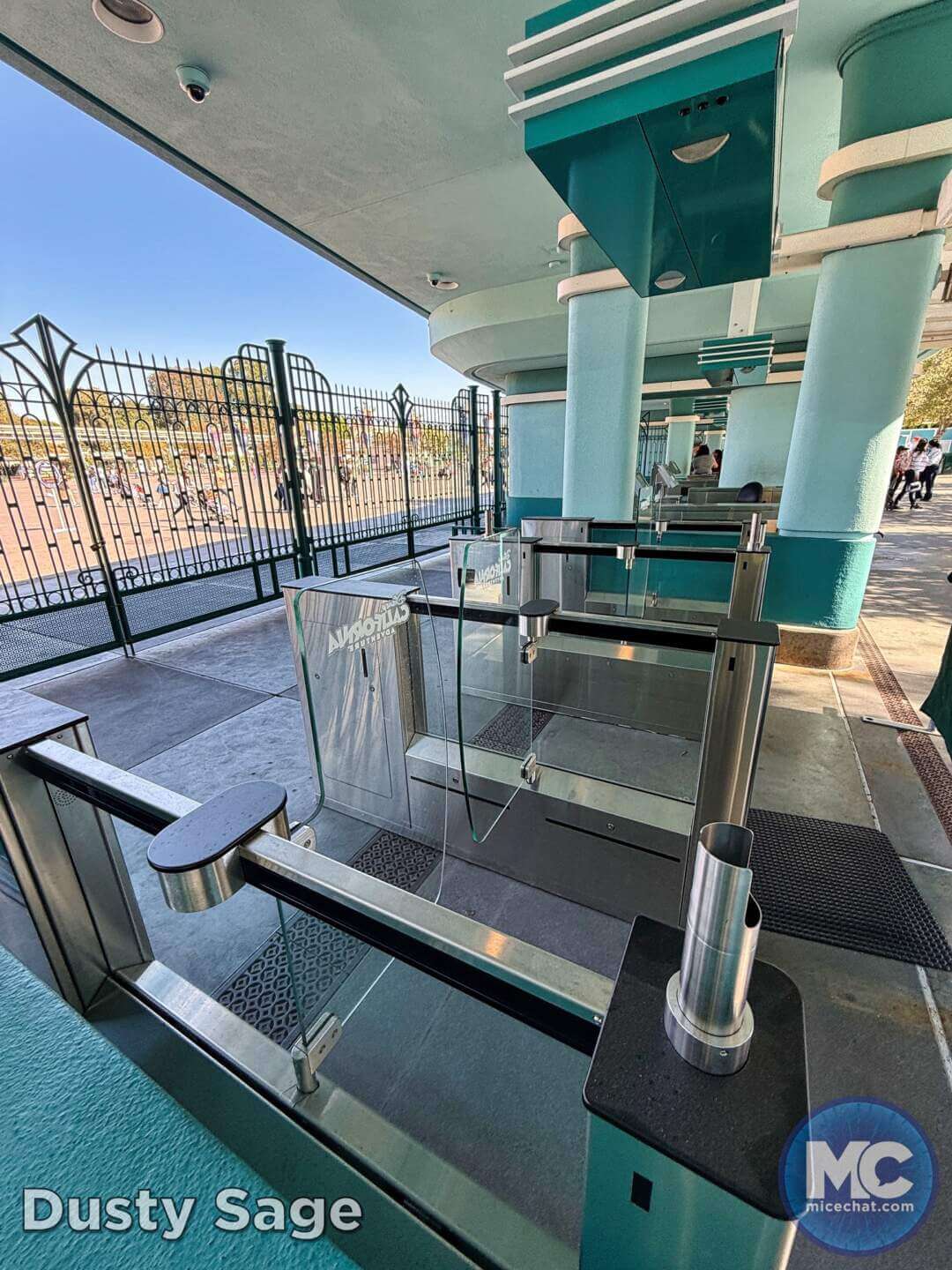
Until then, depending on how you got your ticket, an unwelcome surprise could be waiting for you the next time you reach the turnstiles.

Have you been the victim of a Disneyland ticket scam? Let us know in the comments below.
Find More From David Koenig
David is the beloved author of a library of Disney classics, such as Mouse Tales, Mouse Under Glass, The 55ers, The Last Original Disneylander, and Bob D’Arcy’s A Walk in the Park.

You can find more of David’s articles right (HERE) on MiceChat!
