



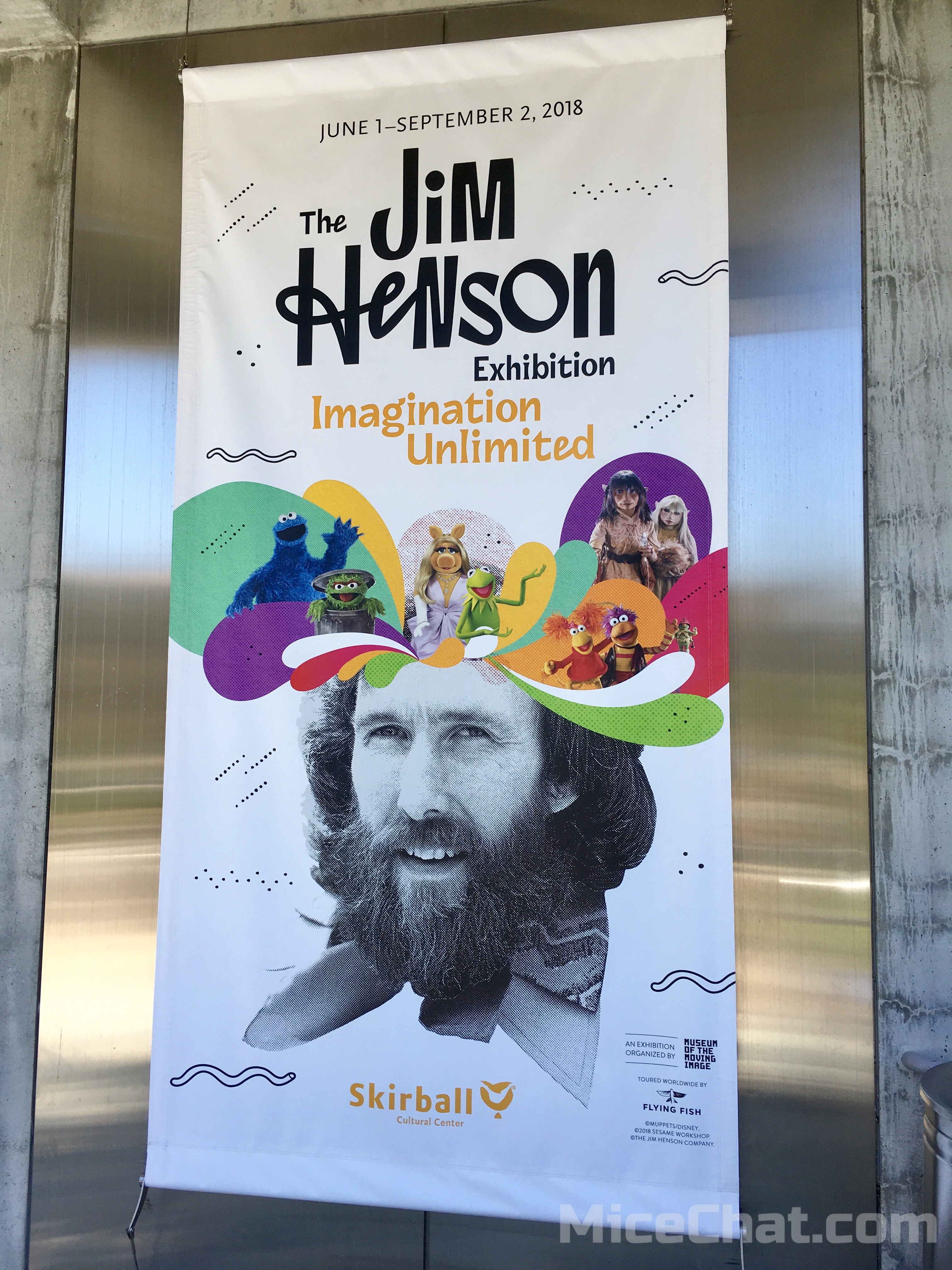
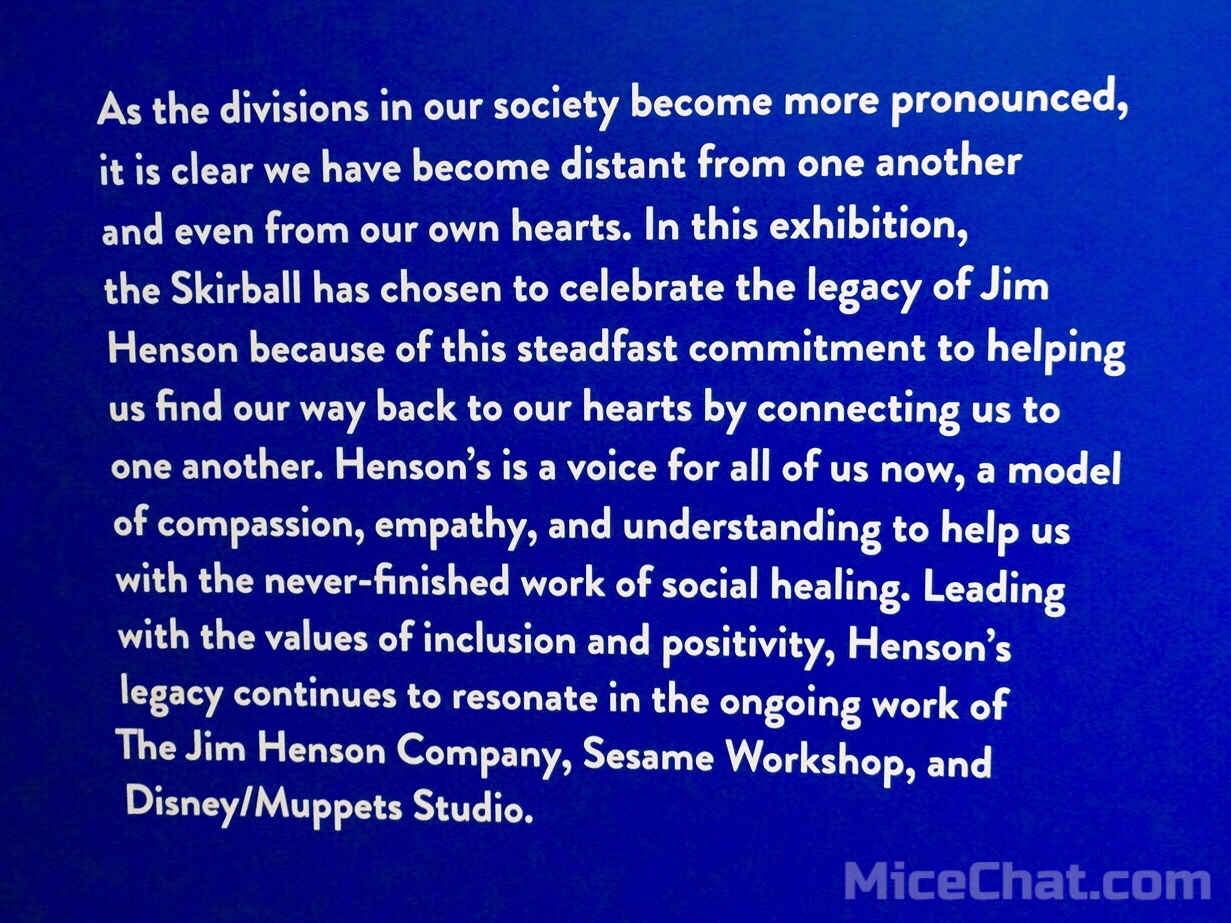
“The Jim Henson Exhibition: Imagination Unlimited,” on display through September 2 at the Skirball Cultural Center in Los Angeles, shines a spotlight on Jim Henson’s forward-thinking approach and the importance of diversity. Diversity not only in pushing the boundaries of the mediums he had a passion for, but diversity on a social, political and cultural level as well.
 Jim Henson started as a multi-media artist but found a way to incorporate his love of TV, film and art into puppetry. His first puppet, designed in 1954, was based on one of the comic strip characters he created for his high school newspaper.

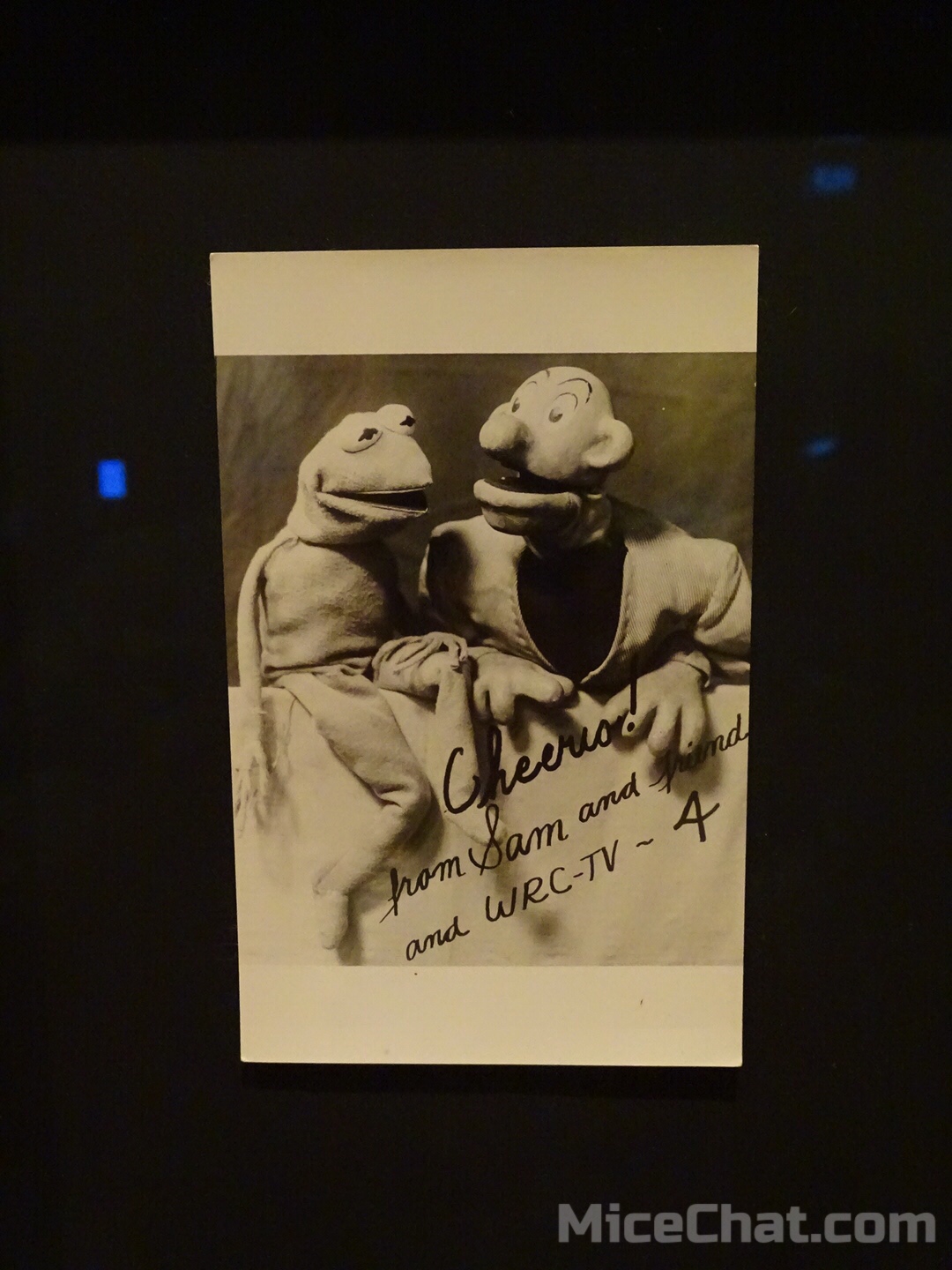
In 1955 – at the age of 18 – Jim and his future wife Jane launched “Sam and Friends,” a 5 minute TV puppet show that aired locally in the Washington, D.C. area; it won an Emmy in 1958, and one of Sam’s friends was Kermit the Frog.
Everyone knows Kermit, but it was actually Rowlf who was the first Muppet to gain national attention – first for Purina Dog Chow, and then as sidekick to country singer Jimmy Dean on Jimmy’s self-titled show. Jim Henson, along with 19 year old puppet master Frank Oz (of Yoda fame), operated Rowlf together. Don Sahlin, who had worked with Burr Tillstrom of “Kukla, Fran and Ollie,” was the primary puppet designer and builder of Rowlf and the Muppets as we know them. Besides setting up Muppets, Inc., Henson continued making commercials and corporate films, and worked on experimental projects. His 1965 short, “Time Piece,” combined live action with animated effects, and was nominated for an Academy Award.


A public television producer named Joan Ganz Cooney was developing an educational children’s show called “Sesame Street,” but Jim was hesitant to work on it for fear of being pigeonholed as a children’s performer. Luckily, Joan won him over and we got Ernie and Bert, model citizens who, at the height of the civil rights movement when the country was filled with unrest, recognized their similarities and differences, expressed their feelings and learned to respect different perspectives. Without preaching about it, the Muppets helped children learn to find common ground, feel valued, work together and have compassion.


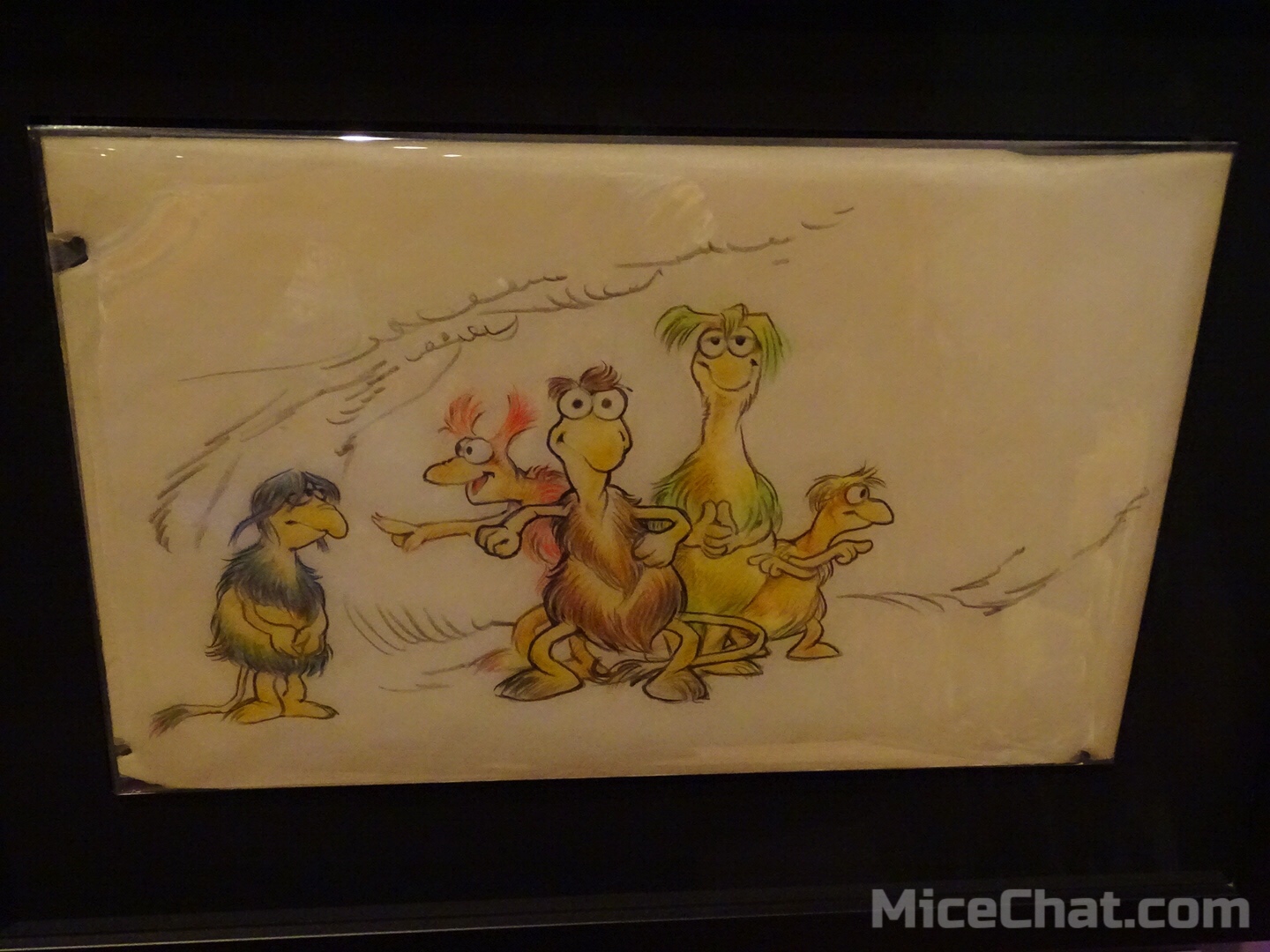
Jim Henson never stopped pushing the boundaries of what could be accomplished through puppetry. Radio-controlled animatronic technology was invented for “Fraggle Rock,” and “The Jim Henson Hour” showcased the first all-digital puppet, Waldo C. Graphic.

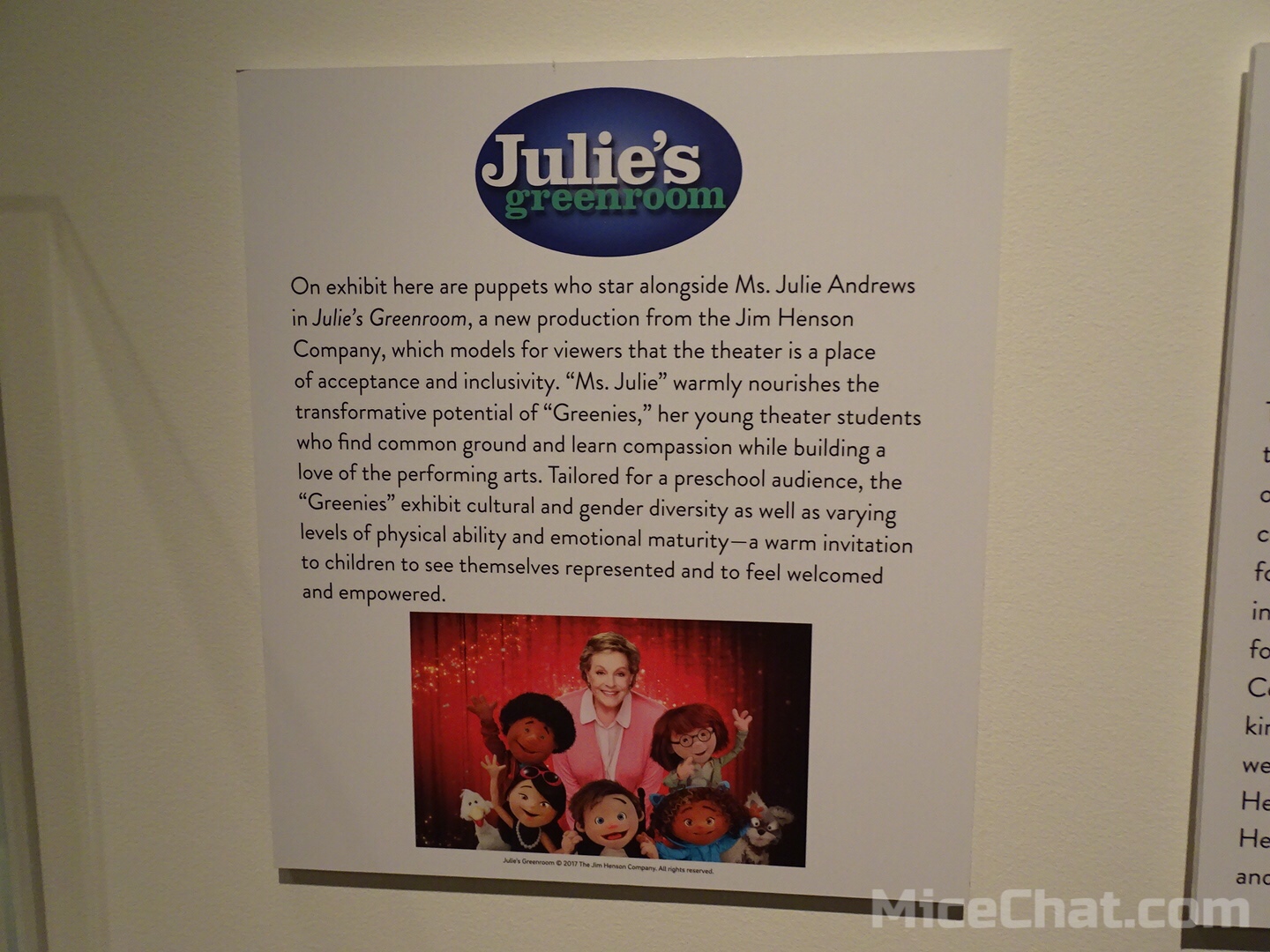
The Jim Henson Company continues his vision, nourishing empathy and striving towards inclusion. 2017’s “Julie’s Greenroom” instills a love for the performing arts, features puppets of all nationalities, and includes a child who gets around in a wheelchair. In the world of Jim Henson, there is a place for all the dreamers and lovers to explore the wonderful ways that we are all connected.

If you are a Henson fan, this exhibit is a must-see. That it’s at the beautiful Skirball Center in the Hollywood Hills near the Getty Center is a bonus. Go early and take some time to explore. More information about the exhibit and the museum can be found HERE.
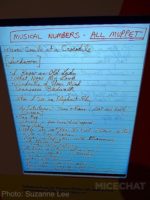
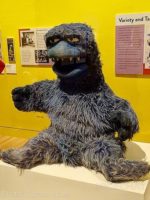
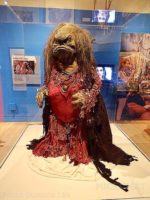
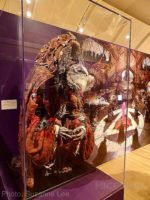
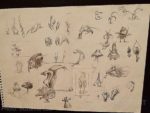
Please enjoy some additional photos from the exhibit in the photo slider below:















Do you miss the Muppets? Wish they would get a new TV show more in line with the original? Do you have a favorite Henson puppet? What was your favorite Henson movie, show or attraction? Have a great weekend everyone!
-Suzanne